 62 citations
,
July 1993 in “Journal of Investigative Dermatology”
62 citations
,
July 1993 in “Journal of Investigative Dermatology” Hair growth is influenced by interactions between skin layers, growth factors, and hormones, but the exact mechanisms are not fully understood.
 53 citations
,
May 2010 in “Journal of Cellular Physiology”
53 citations
,
May 2010 in “Journal of Cellular Physiology” Mice without Vitamin D receptors have hair growth problems because of issues in the hedgehog signaling pathway.
 43 citations
,
December 2008 in “Molecular biology of the cell”
43 citations
,
December 2008 in “Molecular biology of the cell” Disrupting Smad4 in mouse skin causes early hair follicle stem cell activity that leads to their eventual depletion.
 24 citations
,
March 2018 in “Experimental Dermatology”
24 citations
,
March 2018 in “Experimental Dermatology” Treg dysfunction is linked to various autoimmune skin diseases, and understanding Treg properties is key for new treatments.
 8 citations
,
November 2015 in “Saudi Journal of Biological Sciences”
8 citations
,
November 2015 in “Saudi Journal of Biological Sciences” A mix of Panax ginseng and bee-pollen may help prevent prostate enlargement in rats.
 6 citations
,
September 2019 in “Archives of Dermatological Research”
6 citations
,
September 2019 in “Archives of Dermatological Research” Found 32 genes linked to male baldness, affecting hair growth and stress-related pathways.
 4 citations
,
May 2018 in “Electronic Journal of Biotechnology”
4 citations
,
May 2018 in “Electronic Journal of Biotechnology” All-trans retinoic acid at high doses harms goat hair growth cells and could be bad for hair growth.
 June 2026 in “Frontiers in Cell and Developmental Biology”
 MicroRNAs can help regenerate hair by influencing stem cells and immune responses, but delivery challenges exist.
 November 2023 in “bioRxiv (Cold Spring Harbor Laboratory)”
 Adipocytes can change into fibroblast-like cells to help with wound healing.
Higher TGF-β signaling may increase skin cancer risk in organ transplant recipients.
 June 2021 in “Research Square (Research Square)”
 Melatonin can increase cashmere yield by altering gene expression and restarting the growth cycle early.
 January 2019 in “Springer eBooks”
 PRP may help with hair loss and improve hair quality with few side effects, but more research is needed.

Chrysanthemum zawadskii extract may help treat hair loss by promoting hair growth and affecting growth factors.
 22 citations
,
January 2014 in “Biological & Pharmaceutical Bulletin”
22 citations
,
January 2014 in “Biological & Pharmaceutical Bulletin” Ginsenoside F2 may help prevent hair loss and promote hair growth better than finasteride.
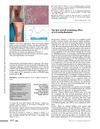 3 citations
,
November 2011 in “European Journal of Dermatology”
3 citations
,
November 2011 in “European Journal of Dermatology” 4-O-methylhonokiol from Magnolia officinalis significantly promotes hair growth.
 August 2025 in “Intisari Sains Medis”
 The buffy coat method yields higher TGF-β1 levels in PRP, especially in males.
 471 citations
,
October 2012 in “Cellular and Molecular Life Sciences”
471 citations
,
October 2012 in “Cellular and Molecular Life Sciences” Understanding developmental pathways can improve wound healing treatments.
 300 citations
,
August 2012 in “Seminars in Cell & Developmental Biology”
300 citations
,
August 2012 in “Seminars in Cell & Developmental Biology” The conclusion is that certain cell interactions and signals are crucial for hair growth and regeneration.
 209 citations
,
September 2008 in “Dermatologic Therapy”
209 citations
,
September 2008 in “Dermatologic Therapy” Androgens can both increase and decrease hair growth in different parts of the body.
 202 citations
,
August 2007 in “Biomaterials”
202 citations
,
August 2007 in “Biomaterials” Artificial skin development has challenges, but new materials and understanding cell behavior could improve tissue repair. Also, certain growth factors and hydrogel technology show promise for advanced skin replacement therapies.
 187 citations
,
December 2005 in “Experimental Dermatology”
187 citations
,
December 2005 in “Experimental Dermatology” Estrogens can improve skin aging but carry risks; more research is needed on safer treatments.
 178 citations
,
August 2016 in “Advances in wound care”
178 citations
,
August 2016 in “Advances in wound care” New effective scar treatments are urgently needed due to the current options' limited success.
 159 citations
,
December 2007 in “American Journal of Pathology”
159 citations
,
December 2007 in “American Journal of Pathology” Stress-related substance P may lead to hair loss and negatively affect hair growth.
 150 citations
,
April 2013 in “Dermato-endocrinology”
150 citations
,
April 2013 in “Dermato-endocrinology” Estrogen therapy can reduce skin aging but has cancer risks.
 149 citations
,
July 2017 in “PLoS Biology”
149 citations
,
July 2017 in “PLoS Biology” Hair follicle patterns form through a mix of self-organization and signaling interactions.
 125 citations
,
September 2001 in “The FASEB Journal”
125 citations
,
September 2001 in “The FASEB Journal” Stress can cause hair loss by negatively affecting hair follicles and this effect might be reversed with specific treatments.
 120 citations
,
October 2007 in “Clinical Interventions in Aging”
120 citations
,
October 2007 in “Clinical Interventions in Aging” Estrogens help reduce skin aging, and SERMs might offer similar benefits without the risks of hormone therapy.
 119 citations
,
July 2016 in “Annals of the New York Academy of Sciences”
119 citations
,
July 2016 in “Annals of the New York Academy of Sciences” Vitamin D has potential benefits for cancer prevention, heart health, diabetes, obesity, muscle function, skin health, and immune function, but clinical results are mixed and more research is needed.
 115 citations
,
February 2016 in “Nature Communications”
115 citations
,
February 2016 in “Nature Communications” Epidermal β-catenin activation changes the dermis by signaling different fibroblast types.
 98 citations
,
February 2007 in “Seminars in Cell & Developmental Biology”
98 citations
,
February 2007 in “Seminars in Cell & Developmental Biology” Androgens can both stimulate and cause hair loss, and understanding their effects is key to treating hair disorders.