 1 citations
,
August 2018 in “bioRxiv (Cold Spring Harbor Laboratory)”
1 citations
,
August 2018 in “bioRxiv (Cold Spring Harbor Laboratory)” A new mutation in the TMEM173 gene and a risk allele in IFIH1 cause a unique set of immune-related symptoms.
 March 2022 in “Benha Journal of Applied Sciences”
 ULBP3 levels are higher in Tinea capitis patients and may help predict the disease's severity.
April 2018 in “Journal of Investigative Dermatology” Immune cells might contribute to hair loss caused by a specific mutation.
32 citations
,
August 2016 in “Science Signaling” Alopecia areata patients show unique protein activity patterns, suggesting imbalanced signaling pathways.
37 citations
,
August 2024 in “Current Issues in Molecular Biology” Keratins 6, 16, and 17 increase in damaged or diseased skin and may help diagnose skin issues.
2 citations
,
June 2024 in “Medical Journal of Babylon” Higher CD8+ T cell levels are linked to Alopecia areata in Iraqi patients.
 August 2017 in “Journal of Investigative Dermatology”
 Activin increases skin tumor formation, skin Tregs help hair growth, lymph-node removal doesn't improve melanoma survival, cells can revert to stem cells in wound healing, and skin bacteria produce peptides that may treat infections.
 January 2023 in “European journal of gynaecological oncology”
 KRT17 may be a new target for endometrial cancer treatment because it helps cancer cells move and form new blood vessels.
November 2023 in “Journal of Investigative Dermatology” Highly active but fewer CD14+CD16- monocytes are found in Alopecia Areata patients, regardless of severity.
68 citations
,
August 2009 in “American Journal of Medical Genetics Part A” A new classification for trichothiodystrophy helps identify genetic causes and potential treatments.
33 citations
,
October 2006 in “European Journal of Immunology” The CD44-CD49d complex boosts T cell activation and survival in autoimmune disease.
 October 2022 in “Research Square (Research Square)”
 Key genes linked to immune response are highly active in lupus-affected hair follicles.
November 2025 in “The Journal of Immunology” BST2 is highly expressed in certain immune cells in alopecia areata, suggesting a role in the disease.
March 2026 in “Tạp chí Da liễu học Việt Nam” Imbalance in immune cells causes hair loss in alopecia areata.
Inhibiting IL-17 and IL-23 improves wound healing in obese, diabetic mice by promoting healing macrophages.
CMV infection increases the risk of GvHD after bone marrow transplants.
 April 2022 in “International journal of respiratory and pulmonary medicine”
 People with lower levels of free testosterone tend to have worse COVID-19 outcomes.
September 2019 in “The journal of investigative dermatology/Journal of investigative dermatology” A new mutation in the STING protein causes a disease with lupus-like symptoms and responds well to a specific inhibitor treatment.
IL-1 signaling is crucial for hair follicle stem cell growth and wound healing.
December 2014 in “Journal of Biomedical Research” Recombinant thymosin β4 promotes blood vessel growth and reduces muscle damage.
 7 citations
,
July 2020 in “Immunological Investigations”
7 citations
,
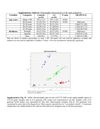
July 2020 in “Immunological Investigations” The rs231775 genetic variant is linked to a higher risk and severity of Alopecia Areata in males.
 9 citations
,
January 2018 in “Acta dermato-venereologica”
9 citations
,
January 2018 in “Acta dermato-venereologica” A substance called poly(I:C) increases a protein called carbonic anhydrase II in skin cells, which might help with skin defense and healing.
124 citations
,
July 2017 in “eLife” Type XVII collagen helps control skin cell growth and could be a target for anti-aging treatments.
13 citations
,
August 2024 in “iScience” 3D spheroid culture makes stem cells better at reducing inflammation.
The CD4 protein may play a role in the behavior of certain skin cells, affecting their growth, movement, and differentiation.
 January 2023 in “Journal of men's health”
 Higher dihydrotestosterone may be linked to more inflammation in COVID-19 patients with low testosterone.
18 citations
,
January 1985 in “Acta Obstetricia Et Gynecologica Scandinavica” Hirsutism severity is linked to androgen levels, especially in women with a lower LH/FSH ratio.
 1 citations
,
January 2021
1 citations
,
January 2021 CD4+ skin cells may be precursors to basal cell carcinoma.

TLR2 helps control hair growth and regeneration, and its reduction with age or obesity can impair hair growth.
March 2005 in “Journal of the American Academy of Dermatology” Higher levels of IL-1a and IL-1RA were found in severe alopecia areata cases.