 May 2025 in “The Journal of Rheumatology”
 Chronic granulomatous disease may be linked to developing systemic lupus erythematosus.
 May 2025 in “The Journal of Rheumatology”
 Anifrolumab may help improve symptoms in patients with overlapping autoimmune diseases.
 May 2025 in “The Journal of Rheumatology”
 Mixed Connective Tissue Disease can develop from overlapping symptoms of several autoimmune diseases, making diagnosis complex.
 May 2025 in “The Journal of Rheumatology”
 Anti-CD19 therapy may help treat SLE and NMOSD.
 May 2025 in “The Journal of Rheumatology”
 Early recognition and management of gastrointestinal tuberculosis in lupus patients are crucial to prevent complications.
 May 2025 in “The Journal of Rheumatology”
 Catatonia can be a rare sign of lupus, needing careful diagnosis and treatment.
 May 2025 in “The Journal of Rheumatology”
 Purpura fulminans can signal underlying autoimmune disorders, not just infections.
 May 2025 in “The Journal of Rheumatology”
 Lupus patients in Ghana face healthcare challenges, and the Oyemam Autoimmune Foundation is working to improve awareness and support.
May 2025 in “The Journal of Rheumatology” Bullous lupus can cause severe esophageal issues but responds well to corticosteroids and azathioprine.
 May 2025 in “The Journal of Rheumatology”
 Atypical symptoms in lupus can indicate different kidney issues.
 May 2025 in “The Journal of Rheumatology”
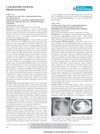
 Correct diagnosis is crucial for treating overlapping conditions like NMOSD and SLE effectively.
 May 2025 in “The Journal of Rheumatology”
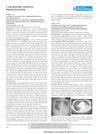
 Middle-aged women with dilated cardiomyopathy should be screened for antiphospholipid syndrome.
 May 2025 in “The Journal of Rheumatology”
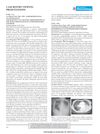
 Early recognition and a team approach are crucial for managing diffuse alveolar hemorrhage in antiphospholipid syndrome.
 May 2025 in “The Journal of Rheumatology”
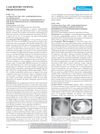
 Antiphospholipid syndrome can severely damage adrenal glands, requiring early diagnosis and treatment.
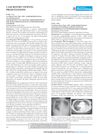 May 2025 in “The Journal of Rheumatology”
 SLE can cause unusual gastrointestinal symptoms, and immunosuppressive therapy can be effective.
 219 citations
,
September 2009 in “European journal of epidemiology”
219 citations
,
September 2009 in “European journal of epidemiology” The Rotterdam Study aims to understand various diseases in older adults.
 April 2024 in “Research Square (Research Square)”
 A 27-year-old with APS-1 showed improvement in symptoms after treatment.
 June 2026 in “Frontiers in Cell and Developmental Biology”
 LHX2 is crucial for development, tissue repair, and preventing diseases.
 March 2013 in “Hair transplant forum international”
 Inflammation linked to the immune response may play a role in causing various types of hair loss.
19 citations
,
January 2012 in “Frontiers in Neural Circuits” Neurosteroids and benzodiazepines reduce neuron excitability, with lasting effects on inhibitory neurons.
5 citations
,
April 2021 in “Journal of Mind and Medical Sciences” Fat, bone, and the brain are interconnected in regulating energy and health.
70 citations
,
April 2020 in “Journal of Molecular Cell Biology” Organoid technology helps create mini-organs for studying diseases and testing drugs.
21 citations
,
March 2021 in “Frontiers in Neurology” The posterior cerebellum helps maintain balance by adapting to sensory inputs and self-motion.
January 2026 in “International Journal of Molecular Sciences” Topical peptides may offer safer, effective pain relief and healing for wounds.
 January 2025 in “Nature Communications”
 Large-scale reconstructions enhance understanding of vibrissal sensory mapping in the brain.
FGF5 spliceosomes inhibit rabbit hair growth by affecting gene expression.
 April 2023 in “IntechOpen eBooks”
 Neuropathic pruritus is a commonly overlooked and wrongly diagnosed type of chronic itching that is hard to treat.
July 2012 in “International Journal of Trichology” Understanding hair health and disorders is important for effective treatment.
3 citations
,
August 2025 in “Cell” Fibroblast bioelectric signaling can promote hair growth and may help treat hair loss.
19 citations
,
January 2011 in “Frontiers in Endocrinology” Social isolation makes mice more sensitive to alcohol's effects on brain function.