 6 citations
,
January 2011 in “Journal of pediatric endocrinology & metabolism/Journal of pediatric endocrinology and metabolism”
6 citations
,
January 2011 in “Journal of pediatric endocrinology & metabolism/Journal of pediatric endocrinology and metabolism” An 11-year-old Greek girl was diagnosed with a rare genetic disorder, highlighting the importance of genetic testing and family history.
12 citations
,
July 2004 in “Molecular genetics and genomics” A new mouse mutation causes skin and hair defects due to a gene change.
June 2025 in “British Journal of Dermatology” Syphilis can mimic other diseases, making diagnosis challenging, but proper testing and treatment are effective.
 April 2020 in “Journal of the Endocrine Society”
 A rare ovarian tumor that produced testosterone caused a blood clot in the lungs and increased red blood cells in a woman.
65 citations
,
December 1986 in “The Journal of Clinical Endocrinology & Metabolism” The woman had a genetic condition causing high cortisol and androgen levels, treatable with dexamethasone.
A man with a rare lung-focused form of hypereosinophilic syndrome improved with steroid treatment.
January 2016 in “Zurich Open Repository and Archive (University of Zurich)” Dietary L-serine supplementation can reduce symptoms of HSAN1 by lowering harmful 1-deoxySL levels.
April 1977 in “Pediatric Research” 10 citations
,
November 2021 in “PLoS ONE” The T allele of the PTPN22 gene may increase the risk of alopecia areata.
 8 citations
,
July 2014 in “Anais Brasileiros de Dermatologia”
8 citations
,
July 2014 in “Anais Brasileiros de Dermatologia” A man's scalp condition was misidentified as hair loss dots but was actually a common follicular disorder.
1 citations
,
November 2019 in “Trends in Urology & Men s Health” Haematospermia is usually harmless but needs careful checking to ease anxiety and find any serious causes.
4 citations
,
January 2011 in “European journal of dermatology/EJD. European journal of dermatology” A boy had a rare scalp condition with thickened skin and different-colored hair.
5 citations
,
June 1993 in “Pediatric dermatology” Monilethrix Syndrome causes fragile, beaded hair that breaks easily and needs early diagnosis for better care.
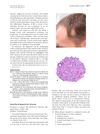
The man has Temporal Triangular Alopecia, a stable, non-scarring hair loss condition best treated with hair transplantation.
2 citations
,
January 1987 in “PubMed” Woolly hair syndrome is a genetic condition causing frizzy, fragile hair.
66 citations
,
January 2020 in “Acta Dermato Venereologica” New genetic variants linked to inherited ichthyoses were identified, offering insights for potential gene therapy.
June 2025 in “British Journal of Dermatology” Topical minoxidil may help improve hair growth in rare congenital hypotrichosis.
Bhallatak may help manage diabetes by lowering blood sugar and improving metabolism.
31 citations
,
November 2015 in “PloS one” Reducing Tyrosinase prevents mature color pigment cells from forming in mouse hair.
 62 citations
,
June 2015 in “The Journal of Dermatology”
62 citations
,
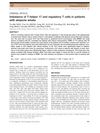
June 2015 in “The Journal of Dermatology” People with alopecia areata have more Th17 cells and fewer Treg cells, which may be key to the condition's development.
37 citations
,
June 2000 in “Experimental dermatology” The Lanceolate hair-J mutation in mice mimics human hair disorders like Netherton's syndrome.
 2 citations
,
July 2015 in “Archives of Dermatological Research”
2 citations
,
July 2015 in “Archives of Dermatological Research” A new gene variant in the DSP gene is linked to a unique type of hair loss.
1 citations
,
January 2018 in “Indian dermatology online journal” Early diagnosis and genetic evaluation of ADULT syndrome are crucial to reduce stress and medical costs.
 January 2025 in “Annals of Thoracic and Cardiovascular Surgery”
 Removing the thymoma improved the patient's alopecia areata, suggesting a possible link between the two.
 23 citations
,
February 2020 in “PLOS genetics”
23 citations
,
February 2020 in “PLOS genetics” Mice with LSS deficiency showed hair loss and cataracts, similar to humans, and can help in understanding and treating this condition.
 47 citations
,
December 2019 in “Frontiers in immunology”
47 citations
,
December 2019 in “Frontiers in immunology” A new mutation in the STING protein causes a range of symptoms and its severity may be affected by other genetic variations; treatment with a specific inhibitor showed improvement in one patient.
74 citations
,
July 1995 in “PubMed” Lowering homocyst(e)ine levels can reverse skin and hair lightening by restoring enzyme activity needed for pigmentation.
July 2025 in “Foundation University Journal of Dentistry” Alopecia areata patients often have autoimmune disorders, especially thyroid issues.
 May 2020 in “Research Square (Research Square)”
 Trichilemmal carcinoma shares genetic traits with other skin cancers, suggesting similar treatment options.
November 2025 in “Indian Journal of Dermatology” Early diagnosis and multidisciplinary care are crucial for improving the quality of life in patients with ectodermal dysplasia.