 June 2024 in “British Journal of Dermatology”
 Hidradenitis suppurativa has had many names, but its naming is still not agreed upon.
1 citations
,
May 2024 in “Communications Biology” Dab2 protein is crucial for hair follicle stem cell renewal and preventing early aging.
4 citations
,
August 2025 in “Plant Cell & Environment” Azospirillum brasilense promotes root hair growth in Arabidopsis by increasing auxin and activating specific genes.
2 citations
,
September 2021 in “JAAD case reports” A man with a weakened immune system was diagnosed with a rare skin condition called trichodysplasia spinulosa using skin examination techniques.
 December 2025 in “Medical Lasers”
 The laser treatment increased hair density in men with hair loss.
 42 citations
,
July 2014 in “Journal of biological chemistry/The Journal of biological chemistry”
42 citations
,
July 2014 in “Journal of biological chemistry/The Journal of biological chemistry” Heparan sulfate is important for hair growth, preventing new hair formation in mature skin, and controlling oil gland development.
 April 2025 in “BMC Chemistry”
 Thiadiazole chitosan conjugates improve hair manageability, moisture, and protection in conditioners.
July 2024 in “Journal of Investigative Dermatology” PP405 may help hair growth by activating hair follicle stem cells.
 March 1996 in “Hair transplant forum international”
 The document cannot be understood or processed.
July 2025 in “International Journal of Trichology” Trichoscopy effectively diagnoses temporal triangular alopecia in children.
 9 citations
,
November 2013 in “Dermatologic Surgery”
9 citations
,
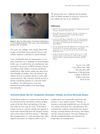
November 2013 in “Dermatologic Surgery” Hair transplant complications were likely due to deep graft placement and rough handling.
 April 2012 in “Informa Healthcare eBooks”
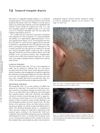
 Temporal triangular alopecia is a lifelong condition with hairless patches on the side of the head that may be present from birth.
July 2025 in “Journal of Investigative Dermatology”  125 citations
,
May 2007 in “Journal of The American Academy of Dermatology”
125 citations
,
May 2007 in “Journal of The American Academy of Dermatology” The BASP classification is a detailed and accurate way to categorize hair loss in both men and women.
 May 2014 in “Hair transplant forum international”
 The ISHRS received high-level approval for its educational programs.
12 citations
,
April 2019 in “Nature protocols” Scientists created a functional 3D skin system from stem cells that can be transplanted into wounds.
20 citations
,
December 1999 in “Journal of Investigative Dermatology” Mutations in the hHb6 gene cause the hair disorder monilethrix.
 November 2022 in “Journal of the Endocrine Society”
 Taking biotin can lead to incorrect low results in free testosterone tests.
87 citations
,
April 1973 in “Endocrinology” The chemicals 17βC and its methyl ester can block the effects of testosterone on hamster skin but not the effects of DHT.
 2 citations
,
January 1984 in “Progress in neuro-psychopharmacology & biological psychiatry”
2 citations
,
January 1984 in “Progress in neuro-psychopharmacology & biological psychiatry” Benzodiazepines changed hormone levels but did not affect hair growth in women with idiopathic hirsutism.
 12 citations
,
February 1998 in “Gene”
12 citations
,
February 1998 in “Gene” The B2 genes are crucial for hair growth in rats.
April 2018 in “Journal of Investigative Dermatology” Id2 gene helps keep hair follicle stem cells inactive.
SMAD4 is crucial for muscle repair in young adults but not in aged mice.
36 citations
,
October 2009 in “Journal of biological chemistry/The Journal of biological chemistry” Two new compounds were found to build bone and muscle without affecting reproductive organs and skin oil glands.
April 2017 in “The journal of investigative dermatology/Journal of investigative dermatology” Human hair follicles can be used to create heart muscle cells.
 49 citations
,
April 1997 in “Human reproduction”
49 citations
,
April 1997 in “Human reproduction” Hormone therapy for excessive hair growth is as good with GnRHa as with high-dose CPA, but GnRHa has longer-lasting results.
2 citations
,
July 2025 in “Cells” Platelet lysate is better than fetal bovine serum for growing stem cells and healing wounds.
121 citations
,
June 2009 in “Journal of Cellular Biochemistry” Human hair follicle stem cells can safely and effectively help nerve regeneration.
January 2005 in “JAPANESE JOURNAL OF CLINICAL PHARMACOLOGY AND THERAPEUTICS” July 2025 in “Journal of Investigative Dermatology” Androgens reduce THY1 in skin cells, leading to less fat, more fibrosis, and worse healing in males.