The caffeine shampoo for hair loss is stable and suitable for use.
 1 citations
,
January 2016 in “Journal of cosmetology & trichology”
1 citations
,
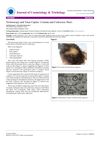
January 2016 in “Journal of cosmetology & trichology” Trichoscopy helped diagnose and treat a child's fungal scalp infection by spotting specific hair shapes.
85 citations
,
January 2014 in “Hormone Research in Paediatrics” Hair cortisol levels in children increase with age but are not affected by gender, puberty, or hair care.
Monocyclic aromatic compounds are important for developing various drugs and treatments.
 2 citations
,
January 2019 in “American Journal of Applied Chemistry”
2 citations
,
January 2019 in “American Journal of Applied Chemistry” Castor oil is suitable for use in hair care products.
 1 citations
,
February 2022 in “International Journal of Health and Pharmaceutical (IJHP)”
1 citations
,
February 2022 in “International Journal of Health and Pharmaceutical (IJHP)” Combining cantigi and henna leaf extracts boosts antioxidant activity.
18 citations
,
March 2010 in “Therapeutic Drug Monitoring” A new method quickly detects alcohol use from hair in under an hour.
 1 citations
,
April 2017 in “Journal of Investigative Dermatology”
1 citations
,
April 2017 in “Journal of Investigative Dermatology” A new one-step test can quickly identify skin cancer during surgery.
 36 citations
,
October 2014 in “Langmuir”
36 citations
,
October 2014 in “Langmuir” Bleaching hair removes its protective top layer and exposes more hydrophilic groups, changing its chemical surface and affecting how it interacts with products.
 5 citations
,
November 2020 in “Frontiers in Cell and Developmental Biology”
5 citations
,
November 2020 in “Frontiers in Cell and Developmental Biology” The "Two-Cell Assemblage" assay is a new, simple method to identify substances that may promote hair growth.
9 citations
,
April 2016 in “Clinical Endocrinology” Scalp hair 17-OHP and androstenedione levels can help monitor treatment in CAH patients.
 June 2023 in “Journal of Pharmaceutical and Health Research”
 Caffeine hair tonic with 0.001% concentration was more effective in promoting hair growth on guinea pigs.
 130 citations
,
August 2015 in “Experimental Dermatology”
130 citations
,
August 2015 in “Experimental Dermatology” Human hair follicle organ culture is a useful model for hair research with potential for studying hair biology and testing treatments.
55 citations
,
March 2005 in “Neuropharmacology” A neurosteroid can reduce caffeine-induced anxiety in rats.
Introducing the OTC gene improved symptoms in mice with OTC deficiency.
 7 citations
,
June 2015 in “The anatomical record”
7 citations
,
June 2015 in “The anatomical record” Hexi cashmere goats' hair growth varies by stage, with Hoxc13 linked to hair activity.
22 citations
,
January 1992 in “PubMed” Higher CSF 5-HIAA levels may predict better response to serotonin re-uptake inhibitors in trichotillomania.
February 2026 in “International Journal of Biological Macromolecules” Keratin from waste hair and feathers can be sustainably used to create stable emulsions for industrial applications.
 April 2021 in “Journal of Investigative Dermatology”
 Cyclooxygenase-2 overexpression in mice skin causes hair loss like human androgenetic alopecia.
 April 2024 in “Jurnal Agroindustri Halal/Jurnal agroindustri halal”
 The hair tonic with the highest seaweed extract content showed the best hair growth results.
 1 citations
,
October 2017 in “ecancermedicalscience”
1 citations
,
October 2017 in “ecancermedicalscience” Breast cancer alters specific molecular structures in hair, which revert after cancer removal.
 3 citations
,
September 2005 in “International Journal of Cosmetic Science”
3 citations
,
September 2005 in “International Journal of Cosmetic Science” Different oils penetrate hair differently; monounsaturated oils like olive oil penetrate better than polyunsaturated oils.
 April 2024 in “Acta scientific dental sciences”
 Improving oral hygiene and quitting smoking can resolve black hairy tongue.
27 citations
,
May 2011 in “Journal of Investigative Dermatology” TCHHL1 is a protein important for hair growth, found in hair follicles.

NaOH treatment improves hair strength and suitability for textiles.
21 citations
,
February 1988 in “Toxicology” High doses of TCB cause severe health issues in marmoset monkeys.
24 citations
,
February 2022 in “Journal of Biological Chemistry” Carvacrol activates the TRPV3 channel, which may help design new skin treatments.
2 citations
,
May 2020 in “Journal of the American Academy of Dermatology” Hair shaft changes may be linked to CCCA, but their role is unclear.
 29 citations
,
June 2014 in “Drug delivery”
29 citations
,
June 2014 in “Drug delivery” The new formulation improved the skin absorption of the drug Thiocolchicoside.
1 citations
,
February 2025 in “Toxicology in Vitro” Diphlorethohydroxycarmalol may help treat hair loss better than current medications.