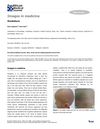
 January 2013 in “The Pan African medical journal”
 Monilethrix causes short, fragile hair with no specific treatment available.
5 citations
,
October 2019 in “JAAD Case Reports” These hair loss conditions might be part of a spectrum, not separate issues.
January 2014 in “Jaypee Brothers Medical Publishers (P) Ltd. eBooks” Androgenetic alopecia is the most common cause of hair loss, affecting both men and women, with varying patterns and prevalence among different races.
 November 2017 in “Pediatrics in Review”
 A 4-year-old girl with hair loss was diagnosed with early-onset trichotillomania and improved with behavioral interventions.
 4 citations
,
January 2014 in “International Journal of Trichology”
4 citations
,
January 2014 in “International Journal of Trichology” A 12-year-old boy with a rare genetic condition has progressive hair loss with no effective treatment.

Androgenetic alopecia is a common type of hair loss in men and women, caused by a testosterone byproduct affecting hair follicles, with sensitivity determined by genetics.
 January 2025 in “Medicina”
 25% of women in North Sudan have traction alopecia, linked to family history and hair treatments, highlighting the need for better hair care awareness.
January 2009 in “Revista de Ciências Médicas” Male pattern baldness is a genetic condition causing hair loss, with limited but improving treatment options.
 September 2024 in “Health Sciences”
 Androgenic alopecia can be treated with minoxidil, finasteride, and hormonal therapy.
 1 citations
,
August 2021 in “Internal Medicine Journal”
1 citations
,
August 2021 in “Internal Medicine Journal” After severe COVID-19, 71% of patients experienced excessive hair shedding and thinning within 3 months due to factors like low oxygen levels, medication, stress, and autoimmune disease.
21 citations
,
January 1945 in “Journal of Nutrition” Biotin deficiency in monkeys causes fur and skin issues, but 20 μg of biotin daily can prevent or cure it.
 1 citations
,
August 2012 in “Journal der Deutschen Dermatologischen Gesellschaft”
1 citations
,
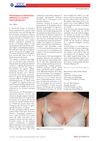
August 2012 in “Journal der Deutschen Dermatologischen Gesellschaft” A woman's hyperandrogenism was caused by a genetic mutation leading to non-classic adrenogenital syndrome.
April 2019 in “Journal of the Endocrine Society” Glucocorticoid treatment lowered androgen levels but didn't improve hirsutism or ovulation and caused weight gain.
 December 2025 in “Cureus”
 Localized dystrophic epidermolysis bullosa (DEB) can lead to scarring alopecia, highlighting the need to recognize and address this complication.
 December 2016 in “Int J Genet”
 Male pattern baldness is partly caused by specific genes, but most genetic factors are still unknown.
21 citations
,
March 2005 in “PubMed” Topical minoxidil and finasteride help treat male baldness, while women benefit from antiandrogens and minoxidil.
 26 citations
,
July 2019 in “JAAD Case Reports”
26 citations
,
July 2019 in “JAAD Case Reports” Dupilumab for atopic dermatitis may cause new or worsen existing alopecia areata.
 29 citations
,
December 2011 in “British Journal of Dermatology”
29 citations
,
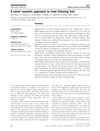
December 2011 in “British Journal of Dermatology” A new hair treatment with caffeine and other ingredients makes hair thicker and less likely to break.
 1 citations
,
January 2018 in “Acta dermato-venereologica”
1 citations
,
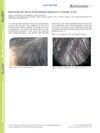
January 2018 in “Acta dermato-venereologica” A teenager's hair with alternating white and dark bands, known as Pili annulati, is a genetic condition that is usually harmless and often considered attractive.
 3 citations
,
November 2018 in “PubMed”
3 citations
,
November 2018 in “PubMed” SMT effectively treats advanced baldness with high satisfaction.
 June 2024 in “Archives of Dermatological Research”
 SFRP2 and PTGDS may be key factors in female hair loss.
 1 citations
,
February 1988 in “The BMJ”
1 citations
,
February 1988 in “The BMJ” The document explains different hair and scalp conditions, including common hair loss after pregnancy or illness, drug-induced hair loss, hereditary excessive hair growth, patterned baldness, autoimmune hair loss, and permanent loss due to skin disease, with generally limited treatment options.
 145 citations
,
December 1999 in “Journal of Investigative Dermatology Symposium Proceedings”
145 citations
,
December 1999 in “Journal of Investigative Dermatology Symposium Proceedings” Finasteride 1mg helps reverse hair miniaturization in men and postmenopausal women.
 54 citations
,
June 1985 in “American Journal of Dermatopathology”
54 citations
,
June 1985 in “American Journal of Dermatopathology” Minoxidil helps grow longer, thicker hair in bald scalps of stumptailed macaques, and early treatment is more effective.
 24 citations
,
January 2006 in “Skin Pharmacology and Physiology”
24 citations
,
January 2006 in “Skin Pharmacology and Physiology” Finasteride reverses early hair loss and promotes growth.
 16 citations
,
June 2019 in “International Journal of Women's Dermatology”
16 citations
,
June 2019 in “International Journal of Women's Dermatology” Type 2 diabetes may increase the risk of severe hair loss in African American women.
 10 citations
,
December 2010 in “British Journal of Dermatology”
10 citations
,
December 2010 in “British Journal of Dermatology” After menopause, some women lose scalp hair and gain facial hair, with patterns suggesting different underlying causes.
 6 citations
,
June 2019 in “Skin Research and Technology”
6 citations
,
June 2019 in “Skin Research and Technology” Finasteride works for hair loss by maintaining existing hair follicles, not reversing miniaturization.
 5 citations
,
January 2020 in “Journal of Dermatology”
5 citations
,
January 2020 in “Journal of Dermatology” Temporal hair loss relates to overall scalp hair loss in women.
 3 citations
,
February 2019 in “Journal of Cosmetic Dermatology”
3 citations
,
February 2019 in “Journal of Cosmetic Dermatology” The effects of estrogen on human scalp hair growth are unclear and need more research.