 30 citations
,
May 2019 in “Scientific Reports”
30 citations
,
May 2019 in “Scientific Reports” Late pregnancy helps repair brain damage in rats due to the GABAergic system.
5 citations
,
January 1997 in “Birkhäuser Basel eBooks”  48 citations
,
July 1996 in “Human & Experimental Toxicology”
48 citations
,
July 1996 in “Human & Experimental Toxicology” Human enzymes can detoxify harmful substances but might also increase their cancer risk.
 June 2025 in “Mağallaẗ ʻulūm al-rāfidayn”
 New pyrazole derivatives may help treat hair loss, but more testing is needed.
October 2021 in “Authorea (Authorea)” New hair perming method using tyrosine is gentler and can be done with a blow-dryer.
43 citations
,
April 1996 in “Journal of Investigative Dermatology” 75 citations
,
September 2015 in “Acta biomaterialia” Alkylation of human hair keratin allows for adjustable drug release rates in hydrogels for medical use.
15 citations
,
October 1936 in “Archives of Dermatology” Cystine is crucial for forming keratin in hair, wool, and nails.
 13 citations
,
July 2017 in “Biopolymers”
13 citations
,
July 2017 in “Biopolymers” Recombinant keratins can form useful structures for medical applications, overcoming natural keratin limitations.
 29 citations
,
August 2005 in “Biopolymers”
29 citations
,
August 2005 in “Biopolymers” L-cysteine slows down the breaking of bonds in hair due to electrostatic interactions.
Using enzymes to link proteins makes hair repair treatments more effective and long-lasting.
23 citations
,
April 2003 in “Journal of Structural Biology” Keratin structure changes during keratinization, but the exact model remains uncertain.
31 citations
,
February 2007 in “Journal of Structural Biology” Oxidation changes the structure of hair protein filaments, causing them to compact and rearrange.
13 citations
,
November 2007 in “Journal of Structural Biology” Keratin heterodimers are preferred for their specific and structural advantages.
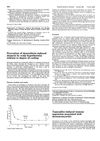 53 citations
,
June 1982 in “The BMJ”
53 citations
,
June 1982 in “The BMJ” Cooling the scalp below 22°C before and during chemotherapy can help prevent hair loss.
 40 citations
,
January 2013 in “Frontiers in Endocrinology”
40 citations
,
January 2013 in “Frontiers in Endocrinology” Finger length ratios are not linked to the number of specific gene repeats affecting testosterone sensitivity.
 6 citations
,
September 1990 in “International Journal of Gynecology & Obstetrics”
6 citations
,
September 1990 in “International Journal of Gynecology & Obstetrics” The skin condition PUPP usually gets better on its own after giving birth and is unlikely to happen again in future pregnancies.
 17 citations
,
December 2004 in “Bioorganic & Medicinal Chemistry Letters”
17 citations
,
December 2004 in “Bioorganic & Medicinal Chemistry Letters” Scientists found new, better-working inhibitors for a hormone-related enzyme.
 451 citations
,
March 2005 in “Endocrine Reviews”
451 citations
,
March 2005 in “Endocrine Reviews” The enzyme steroid sulfatase is linked to breast cancer and other conditions, and inhibitors are being developed for treatment.
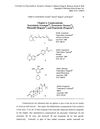
Isotretinoin and tazarotene help treat acne, while minoxidil and finasteride promote hair growth.
62 citations
,
December 2007 in “Journal of biological chemistry/The Journal of biological chemistry” A specific chemical change in the S100A3 protein leads to the formation of a four-part structure important for hair formation.
110 citations
,
April 2009 in “Cell Motility and the Cytoskeleton” β‐thymosins, especially thymosin β4, help in heart protection, wound healing, and hair growth by stabilizing actin in cells.
May 2010 in “Europe PMC (PubMed Central)” Near-infrared probes can safely and effectively image cysteine protease activity for disease diagnosis.
June 2026 in “Scientific Reports” Shorter alkyl shikimates boost skin cell growth, while longer ones can be harmful.
A new method creates valuable compounds for drug discovery by breaking traditional chemical rules.
11 citations
,
January 1997 in “Journal of Dermatological Science” A new protein linked to hair strength was identified, aiding in understanding brittle hair conditions.
 141 citations
,
January 1984 in “Journal of The American Academy of Dermatology”
141 citations
,
January 1984 in “Journal of The American Academy of Dermatology” Pregnancy can cause skin darkening, varicose veins, more sweating, hair growth, hair loss after birth, nail changes, and gum inflammation.
 75 citations
,
October 1996 in “Dermatologic Clinics”
75 citations
,
October 1996 in “Dermatologic Clinics” Chronic Telogen Effluvium is a hair loss condition in middle-aged women that usually doesn't lead to complete baldness.
 69 citations
,
September 1991 in “Journal of Surgical Research”
69 citations
,
September 1991 in “Journal of Surgical Research” Understanding how fetal wounds heal could help improve healing in adults.
 64 citations
,
June 1992 in “International Journal of Dermatology”
64 citations
,
June 1992 in “International Journal of Dermatology” Pregnancy often causes skin changes like darkening, stretch marks, and hair growth, which may improve after childbirth.