Search
for
Sort by
Research
240-270 / 1000+ resultsresearch Analysis of heterogeneous reaction between reducing agents and keratin fibers using Raman spectroscopy and microspectrophotometry
The study found that thioglycolic acid breaks down hair bonds more consistently than l-cysteine, which is less damaging to hair.

research Novel Compounds for Hair Repair: Chemical Characterization and In Vitro Analysis of Thiol Cross-Linking Agents
APA is a promising new compound for repairing damaged hair, outperforming Olaplex® in strength and elasticity.
research The Fate of Trichohyalin
Trichohyalin is modified by enzymes to form strong structures in hair cells.
research Transglutaminase-mediated cross-linking in mammalian epidermis
research Crosslinking structure of keratin. V. Number and type of crosslinks in microstructures of untreated and potassium cyanide treated human hair
Potassium cyanide treatment changes hair's disulfide bonds, making it more elastic.
research [Trichothiodystrophy: a morphological and biochemical study].
Trichothiodystrophy involves brittle hair due to low sulfur amino acids, not a transport defect.
research Crosslinking structure of keratin. V. Number and type of crosslinks in microstructures of untreated and potassium cyanide treated human hair
Potassium cyanide changes hair's disulfide bonds to monosulfide, affecting high-sulfur proteins more.
research Effect of Disulfide Bonds in Human Hair Fibers on the Melting Behavior of Their Crystalline Structure
Changing disulfide bonds in human hair affects its melting behavior and thermal stability.
research Generating Disulfides in Multicellular Organisms: Emerging Roles for a New Flavoprotein Family
QSOX enzymes help form protein bonds in cells, especially in tissues with high secretory activity.
research Ultrastructural visualization of cross-linked protein features in epidermal appendages
Cross-linked proteins help maintain the structure of hair, feathers, and hagfish teeth.
research Action of Nucleophilic Reagents on Hair Keratin
Nucleophilic reagents break down hair keratin, forming more lanthionine and lysinoalanine than in wool.
research Disulfide Cross-Linked Network Structure of Intermediate Filament and Matrix in Hair and Wool Cortices
Hair and wool strength is affected by the number and type of bonds in their protein structures, with hair having more protein aggregates than wool.
research Chemical Reactions Occurring in Curing Treatment for Permanent Hair Straightening Using Thioglycolic and Dithioglycolic Acids
Using both TGA and DTDG in hair straightening reduces hair damage compared to using TGA alone.
research The Viscoelastic Properties of Chemically Modified alpha-Keratins in Human Hair
Chemical modifications can alter hair's stability and flexibility, with hydrophobic interactions helping maintain structure in humid conditions.

research Visible Light-Mediated Environmentally Friendly and Universally Applicable Green Chemistry for Hair Cross-Linking
The study found a green method for strengthening hair works on all hair colors and is eco-friendly.
research Hair Follicle Transglutaminases and the Formation of ε-(γ-Glutamyl) Cross-links
Transglutaminases help form strong hair by linking proteins, and can potentially alter hair properties.
research Photoinduced formation of thiols in human hair
UV exposure damages hair, increasing thiols and altering protein structure.
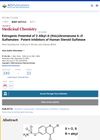
research Estrogenic Potential of 2-Alkyl-4-(thio)chromenone 6-O-Sulfamates: Potent Inhibitors of Human Steroid Sulfatase
A substance called Compound 2g can strongly block STS (a hormone-related enzyme) without affecting estrogen levels, making it potentially good for treating breast cancer.
research Structure and Mechanical Properties of Human Trichocyte Keratin Intermediate Filament Protein
Disulfide bonds make keratin in hair stronger and tougher.
research Intermolecular disulfide cross-linked structural change induced by permanent wave treatment of human hair with thioglycolic acid.
Permanent wave treatment with thioglycolic acid changes hair structure by altering disulfide bonds.
research Sequence analyses of Type I and Type II chains in human hair and epithelial keratin intermediate filaments: Promiscuous obligate heterodimers, Type II template for molecule formation and a rationale for heterodimer formation
Type I and Type II keratin chains can form heterodimers despite sequence differences.
research Direct evidence supporting the existence of a helical dislocation in protofilament packing in the intermediate filaments of oxidized trichocyte keratin
Oxidized trichocyte keratin has a helical dislocation in its structure.

research Trichothiodystrophy hair shafts display distinct ultrastructural features
Trichothiodystrophy hair is structurally abnormal with protein and organization issues.
research Bidirectional binding property of high glycine–tyrosine keratin-associated protein contributes to the mechanical strength and shape of hair
High glycine–tyrosine keratin-associated proteins help make hair strong and maintain its shape.
research Thiohydrazides in the Synthesis of Functionalized Extranuclear Heterosteroids
New steroid derivatives show promise as anticancer agents, even against resistant cells.
research Trichothiodystrophy
Trichothiodystrophy is a condition with brittle hair and various physical and mental issues due to low sulfur in proteins.
research Chemical modification of keratin fibers using 2‐iminothiorane hydrochloride
2-iminothiorane hydrochloride improves hair waving permanence without damage.
research Trichothiodystrophy: Review of sulfur-deficient brittle hair syndromes and association with the ectodermal dysplasias
research Analysis of Cysteine on the Surface of Hair Fibers with Spectrofluorescence
Cysteine formation on hair indicates damage, best detected at pH 4.5.