 January 2021 in “bioRxiv (Cold Spring Harbor Laboratory)”
 Mothers have more hair proteins than their children, with age-related differences in protein patterns, and some proteins in hair could indicate early childhood development.
 July 2012 in “Springer eBooks”
 The document concludes that proper diagnosis and treatment of nonscarring alopecias can improve quality of life and hair regrowth is possible as the hair follicle remains intact.
 June 2011 in “CRC Press eBooks”
 Low-Level Laser Therapy can stimulate healing and cell function, potentially leading to wider medical use.
November 2025 in “Advanced Healthcare Materials” Charge-conversion chemistry improves hair-rebonding by enhancing penetration and strength.
July 2023 in “Nature Reviews Chemistry” A new method strengthens hair without using harmful chemicals.
75 citations
,
March 2018 in “Molecules/Molecules online/Molecules annual” L-Cysteine may have health benefits, but its effectiveness is still debated due to limited clinical trial data.
72 citations
,
December 2011 9 citations
,
March 2019 in “Molecular & cellular proteomics” Reductive stress messes up collagen balance and alters cell signaling in human skin cells, which could help treat certain skin diseases.
October 2021 in “Authorea (Authorea)” New hair perming method using tyrosine is gentler and can be done with a blow-dryer.
22 citations
,
August 2015 in “PloS one” Keratin from hair binds well to gold and BMP-2, useful for bone repair.
Using enzymes to link proteins makes hair repair treatments more effective and long-lasting.
4 citations
,
December 2020 in “Tissue Barriers” Loricrin affects skin immune function and homeostasis.
10 citations
,
November 2021 in “International journal of molecular sciences” Sheep and goat hair fibers are complex due to keratin-associated proteins, which are important for fiber properties and growth.
 June 2025 in “International Journal of Cosmetic Science”
 Keratin-encapsulated liposomes effectively repair and protect UV-damaged hair.
 6 citations
,
December 2022 in “Journal of Materials Chemistry B”
6 citations
,
December 2022 in “Journal of Materials Chemistry B” The dressing generates hydrogen sulfide to help heal wounds faster by reducing inflammation and promoting cell growth.
12 citations
,
October 2007 in “PubMed” Keratin helps protect and strengthen hair, reducing damage and color fading.
106 citations
,
December 2015 in “Biomacromolecules” Keratin hydrogels can be customized for better tissue healing.
75 citations
,
August 2018 in “Plant physiology” Hydrogen sulfide disrupts protein function and root hair growth in plants by modifying proteins.
5 citations
,
December 2020 in “International journal of biological macromolecules” Treatments improved hair surface and scale structure but didn't increase certain bonds in the hair cortex.
4 citations
,
June 2022 in “Journal of cleaner production” New eco-friendly method strengthens and sets hair using light and causes less damage.
 February 2025 in “International Journal of Cosmetic Science”
 A new amino acid derivative, ATS, improves hair texture and moisture, making it easier to straighten curly hair.
 April 2024 in “Advances in Redox Research”
 Human hair strength and health are linked to sulfur compounds that can be reduced by stress but improved with sulfur supplements.
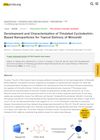
Thiolated cyclodextrin-based nanoparticles effectively deliver Minoxidil for scalp treatment without causing skin irritation.
3 citations
,
December 2021 in “Materials today communications” A new film made from human hair supports skin cell growth better than collagen.
1 citations
,
January 2008 February 2022 in “Fibers” Scientists created a non-toxic, sugar-based hair product that can style hair without damage.
9 citations
,
November 2024 in “Biotechnology for Sustainable Materials” Keratin-based biomaterials are promising for wound healing, drug delivery, and nerve regeneration due to their biodegradability and biocompatibility.
March 2026 in “Chemical Engineering Journal” The hydrogel helps heal diabetic wounds by combining antibacterial, antioxidant, and immune-boosting effects.
71 citations
,
September 2013 in “Materials Science and Engineering C” Keratin-based hydrogels from human hair and wool are promising for wound dressings and are more eco-friendly.
47 citations
,
September 2011 in “Acta biomaterialia” Protein composition greatly affects the function of keratin biomaterials.