August 2023 in “Fermentation” Scientists can use engineered microbes to make L-aspartate and related chemicals, but there's still room to improve their efficiency.
 September 2016 in “Journal of Dermatological Science”
 Both SMS1 and SMS2 are crucial for normal hair growth and cycle in mice.
January 2026 in “SSRN Electronic Journal” January 2026 in “SSRN Electronic Journal” January 2026 in “SSRN Electronic Journal”  36 citations
,
October 2014 in “Langmuir”
36 citations
,
October 2014 in “Langmuir” Bleaching hair removes its protective top layer and exposes more hydrophilic groups, changing its chemical surface and affecting how it interacts with products.
18 citations
,
January 2024 in “Regenerative Biomaterials” The hydrogel helps heal diabetic wounds by reducing infection and inflammation.
 54 citations
,
October 2024 in “Nature Communications”
54 citations
,
October 2024 in “Nature Communications” Molybdenum oxide nanozymes can effectively treat and monitor acute kidney injury by reducing oxidative stress.
![Effect of C-Ring Modifications in Benzo[c]quinolizin-3-ones, New Selective Inhibitors of Human 5α-Reductase 1](/images/assets/c687900f-ea40-4de1-8f0b-a5b818951b1c/small/15452.jpg) 12 citations
,
June 2001 in “Bioorganic & Medicinal Chemistry”
12 citations
,
June 2001 in “Bioorganic & Medicinal Chemistry” Changing the C-ring structure in certain compounds can make them better at blocking a specific human enzyme.
 27 citations
,
August 2006 in “Laboratory Investigation”
27 citations
,
August 2006 in “Laboratory Investigation” SCF and ET-1 together significantly increase skin pigmentation and melanin production.
19 citations
,
March 1998 in “Microchimica Acta” 2 citations
,
May 2020 in “Molecules” A new, efficient method was developed to synthesize a specific compound and its derivatives.
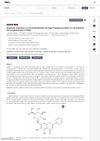
Enzymatic synthesis improved the water solubility of the flavonoid baicalin, which may help treat hair loss conditions.

Antioxidant therapy, especially with selenium, can improve skin aging in patients with Metabolic Syndrome.
January 2009 in “Chemical Reagents” The method produces finasteride with a 92% yield.
13 citations
,
April 2013 in “Immunotherapy” Inhibiting PLA2 enzymes may help treat inflammatory skin diseases like psoriasis and dermatitis.
June 2026 in “Chemical Engineering Journal” 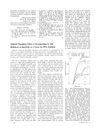 54 citations
,
July 1967 in “Science”
54 citations
,
July 1967 in “Science” Decomposed tritiated thymidine is less accurate for DNA tracing, and hair changes can indicate malnutrition.
14 citations
,
February 2022 in “The Journal of clinical investigation/The journal of clinical investigation” Scientists made a mouse model of a serious skin cancer by changing skin cells with a virus and a specific gene, which is similar to the disease in humans.
 8 citations
,
July 2024 in “Scientific Reports”
8 citations
,
July 2024 in “Scientific Reports” Salicylate helps wounds heal without scarring in mice.
31 citations
,
November 2003 in “Journal of Occupational Health” Thioglycolic acid in hair products may pose reproductive and cancer risks for hairdressers.
6 citations
,
January 2010 in “Journal of Biochemical and Molecular Toxicology” The ID2 gene can help distinguish between sensitizers and irritants in skin cells.
July 2026 in “Pediatric Allergy and Immunology”  11 citations
,
July 2021 in “Physiologia Plantarum”
11 citations
,
July 2021 in “Physiologia Plantarum” SIPHL1 from tomato enhances plants' response to low phosphate levels.
 1 citations
,
April 2020 in “medRxiv (Cold Spring Harbor Laboratory)”
1 citations
,
April 2020 in “medRxiv (Cold Spring Harbor Laboratory)” The study found that Tourette Syndrome may be linked to certain immune system processes and synaptic signaling.
23 citations
,
June 2014 in “International Journal of Cosmetic Science” Glyoxylic acid is a safer alternative to formaldehyde for hair straightening and effectively changes hair structure.
 April 2017 in “Journal of Investigative Dermatology”
 SB414 may be an effective treatment for atopic dermatitis by reducing swelling and bacterial infection.
1 citations
,
February 2013 in “InTech eBooks” LEKTI is crucial for skin barrier and immune function, affecting conditions like Netherton syndrome and atopic dermatitis.
 87 citations
,
March 2014 in “Biochimica et Biophysica Acta (BBA) - Molecular and Cell Biology of Lipids”
87 citations
,
March 2014 in “Biochimica et Biophysica Acta (BBA) - Molecular and Cell Biology of Lipids” Cholesterol sulfate buildup due to a genetic mutation disrupts the skin barrier, leading to the scaling skin seen in X-linked ichthyosis.
18 citations
,
February 2025 in “Macromolecular Rapid Communications” Thermo-responsive polymers in nanoparticles enable targeted drug delivery and advanced therapies by releasing drugs at specific temperatures.