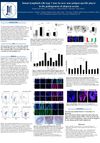
Innate lymphoid cells type 1 may contribute to alopecia areata by damaging hair follicles.
 May 2025 in “Experimental Dermatology”
 Triphenylphosphine oxide can increase oil production and reduce inflammation in skin cells without affecting TRPM5.
 September 2020 in “International journal of computer science and mobile computing”
 Low-level laser therapy can stimulate hair growth and increase hair density, making it a promising treatment for hair loss.
 1 citations
,
March 2022 in “Journal of Dermatological Science”
1 citations
,
March 2022 in “Journal of Dermatological Science” Adding TERT and BMI1 to certain skin cells can improve their ability to create hair follicles in mice.
14 citations
,
January 2005 in “Cell Stress and Chaperones” 66 citations
,
July 2010 in “Journal of Proteome Research” Trichohyalin may trigger the immune response causing alopecia areata.
 January 2024 in “Journal of cellular immunology”
 Hair follicle stem cells are important for maintaining healthy skin and interact with many signals.
4 citations
,
December 2016 in “Blood” A new gene mutation may cause cyclic thrombocytopenia by affecting platelet production.
5 citations
,
August 2021 in “Experimental dermatology” Overexpressing Merkel cell virus proteins in human hair follicles can create clusters of cells that resemble Merkel cell cancer.
 April 2018 in “Journal of Investigative Dermatology”
 Both Th1 and Th2 immune responses are increased in alopecia areata, with Th2 response more strongly linked to how severe the disease is.
July 2026 in “Journal of the American Academy of Dermatology” Higher fluence low-level laser therapy effectively promotes hair growth in androgenetic alopecia, with varying effects based on sex.
 98 citations
,
July 2014 in “Trends in Molecular Medicine”
98 citations
,
July 2014 in “Trends in Molecular Medicine” Hair follicles are hormone-sensitive and involved in growth and other functions, with potential for new treatments, but more research is needed.
 15 citations
,
May 2017 in “Lasers in Medical Science”
15 citations
,
May 2017 in “Lasers in Medical Science” Low-level laser treatment helps mice grow hair by increasing certain protein levels linked to hair growth.
4 citations
,
January 2023 in “Skin Appendage Disorders” Changes in certain RNA and protein levels may contribute to alopecia areata and could be treatment targets.
January 2013 in “프로그램북(구 초록집)” The Hair660™ light therapy device effectively and safely improves hair density in people with androgenetic alopecia.
25 citations
,
October 2007 in “Developmental biology” Clim proteins are essential for maintaining healthy corneas and hair follicles.
86 citations
,
August 2000 in “Pigment cell research” Melanocyte activity in hair follicles is linked to the hair growth cycle, being active in growth phases and inactive in rest phases.
 4 citations
,
February 2014 in “Proceedings of SPIE”
4 citations
,
February 2014 in “Proceedings of SPIE” Low-Level Light Therapy is effective for skin rejuvenation, wound healing, and hair growth, with mild side effects.
106 citations
,
February 2014 in “eLife” Lanceolate complexes in mouse hair follicles are essential for touch and depend on specific cells for maintenance and regeneration.
January 2013 in “International Journal of Trichology” Early diagnosis and a multidisciplinary approach are crucial for children with Trichothiodystrophy and hidden learning disorders.
 December 2014 in “Faculty Opinions – Post-Publication Peer Review of the Biomedical Literature”
 Low-level light therapy significantly increased hair density and thickness in people with hair loss, but they didn't notice a difference.
13 citations
,
May 1998 in “The Journal of Clinical Endocrinology & Metabolism” LH and hCG reduce certain protein levels in women's skin.
 December 2017 in “British Journal of Dermatology”
 Targeted therapy for skin cancer is complex due to the role of the hedgehog pathway in both cancer and hair growth.
 March 2024 in “Tissue and cell/Tissue & cell”
 Telomerase-positive cells are mainly in the bulb matrix and outer root sheath of hair follicles.
60 citations
,
December 2003 in “Journal of Investigative Dermatology” K6hf is found in specific parts of hair follicles, nails, and tongue, and is linked to hair growth and structure.
January 2018 in “bioRxiv (Cold Spring Harbor Laboratory)” The mutant HR bmh protein mis-localizes in cells, affecting skin and hair development.
 January 2018 in “bioRxiv (Cold Spring Harbor Laboratory)”
 Researchers found key regions in the mouse hairless gene that control its activity in skin and brain cells, affecting hair follicle function.
 8 citations
,
February 2005 in “British Journal of Haematology”
8 citations
,
February 2005 in “British Journal of Haematology” Chemotherapy caused the patient's hair to have alternating thick and thin segments.
43 citations
,
January 2016 in “Development” LHX2 is essential for hair follicle development, controlled by NF-κB and TGFβ2 signaling.
1 citations
,
February 2026 in “ACS Nano” The TLMG hydrogel improves wound healing and monitoring with strong adhesion and conductivity.