 64 citations
,
August 2014 in “The journal of allergy and clinical immunology/Journal of allergy and clinical immunology/The journal of allergy and clinical immunology”
64 citations
,
August 2014 in “The journal of allergy and clinical immunology/Journal of allergy and clinical immunology/The journal of allergy and clinical immunology” A deficiency in the TTC7A gene causes immune problems, gut issues, and hair loss.
January 2023 in “Indian Dermatology Online Journal” A 23-year-old man has a benign, non-progressive hair loss patch that doesn't respond to treatment but can be cosmetically treated.
 October 2025 in “Journal of Skin and Sexually Transmitted Diseases”
 Alopecia areata patients often have undetected thyroid issues, so routine thyroid screening is recommended.
 January 2020 in “Przegla̧d dermatologiczny”
 A 5-year-old boy was diagnosed with congenital triangular alopecia, a type of hair loss without skin changes, usually starting between ages 2-5, with no specific treatment.
 March 2024 in “Romanian Medical Journal”
 Early diagnosis and treatment of achalasia and hyperthyroidism improve patient outcomes.
 5 citations
,
December 1964 in “Australasian journal of dermatology”
5 citations
,
December 1964 in “Australasian journal of dermatology” Congenital atrichia is a rare condition where children are born without hair, and treatment is often ineffective.
21 citations
,
December 2005 in “The journal of investigative dermatology/Journal of investigative dermatology” T-cells in alopecia areata scalp show abnormal regulation, leading to less inflammation.
11 citations
,
January 1973 in “BMJ” Primary hypothyroidism can mimic pituitary failure but improves with hormone therapy.
October 2009 in “The American Journal of Gastroenterology” Isolated amylase deficiency can cause failure to thrive and should be checked with specific tests.
 December 2024 in “Indian Journal of Dermatology”
 Dermoscopy is useful for diagnosing Atrichia with Papular Lesions in children without needing a biopsy.
 62 citations
,
June 2015 in “The Journal of Dermatology”
62 citations
,
June 2015 in “The Journal of Dermatology” People with alopecia areata have more Th17 cells and fewer Treg cells, which may be key to the condition's development.
September 2011 in “American Journal of Transplantation” Hair regrowth in alopecia universalis may be possible by altering immune cells.
 8 citations
,
February 2015 in “Cellular immunology”
8 citations
,
February 2015 in “Cellular immunology” Deleting Snai2 and Snai3 causes fatal autoimmunity.
 April 2012 in “Informa Healthcare eBooks”
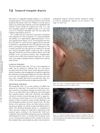
 Temporal triangular alopecia is a lifelong condition with hairless patches on the side of the head that may be present from birth.
118 citations
,
December 2003 in “Mechanisms of Ageing and Development” Thymosin β4 helps heal wounds, grow hair, and improve blood vessel formation.
July 2024 in “Journal of Investigative Dermatology” CD8+ T cells expand significantly in alopecia areata, suggesting new treatment targets.
May 2005 in “Cancer Research” Melanoma cells lose their ability to form tumors when placed in a zebrafish embryo environment.
 July 2018 in “International Journal of Research in Dermatology”
 The patient was diagnosed with hypothyroidism and treated with medication and supplements.
 September 2023 in “Journal of the American Academy of Dermatology”
 Children with alopecia areata, especially with Down syndrome or thyroid issues, should be screened for thyroid disease.
4 citations
,
June 2025 in “Cell Reports” Clonally expanded CD8+ T cells cause alopecia areata.
5 citations
,
March 2016 in “Experimental and molecular pathology” Mice with alopecia areata had wider lymphatic vessels in their skin.
12 citations
,
April 2017 in “Experimental and Therapeutic Medicine” Patients with severe active alopecia areata have lower CD200 expression and an imbalance in their immune system.
 December 2009 in “Saengmyeong gwahag hoeji/Saengmyeong gwahak hoeji”
 Thymosin β4 and VEGF are important for blood vessel formation in many organs.
 2 citations
,
March 2023 in “Skin research and technology”
2 citations
,
March 2023 in “Skin research and technology” Temporal triangular alopecia in infants is mostly seen in males at birth, with unique features that help with diagnosis.
 January 2023 in “Indian dermatology online journal”
 A child with trichothiodystrophy also had autoimmune thyroiditis and anemia, which is a new finding.
 8 citations
,
January 2009 in “Journal of pediatric endocrinology & metabolism/Journal of pediatric endocrinology and metabolism”
8 citations
,
January 2009 in “Journal of pediatric endocrinology & metabolism/Journal of pediatric endocrinology and metabolism” A specific thyroid hormone resistance mutation may be linked to different types of hair loss.
288 citations
,
January 2001 in “Journal of Biological Chemistry” Tgm2 helps stabilize dying cells and aids fibroblast attachment to the extracellular matrix.
 June 2023 in “Dermatology online journal”
 A person with thyroid problems had rare, swollen, bald spots on their scalp caused by a condition usually found on the shins.
April 2006 in “Pediatrics in Review” Graves disease is the main cause of hyperthyroidism in kids, especially girls aged 11-15, and requires lifelong follow-up.

Donor lymphocyte infusions effectively treated leukemia relapse but caused vitiligo and alopecia areata.