 December 2025 in “Nature Communications”
 Blocking IL-17a can improve age-related smell loss in mice.
1 citations
,
May 2025 in “BMC Veterinary Research” Early diagnosis and treatment of hypothyroidism in dogs is crucial to prevent serious complications.
 1 citations
,
February 2022 in “Clinical, Cosmetic and Investigational Dermatology”
1 citations
,
February 2022 in “Clinical, Cosmetic and Investigational Dermatology” TDM10842, a thyroid hormone receptor activator, was found to effectively promote hair growth in mice.
71 citations
,
January 2011 in “Journal of cutaneous pathology” A rare skin condition was confirmed to be associated with a specific virus in a young girl.
July 2025 in “Indian Dermatology Online Journal” Switching insulin brands caused skin lesions in a diabetic woman, resolved by changing to oral medication.
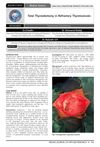 March 2016 in “Indian Journal Of Applied Research”
 Surgery may be needed for resistant thyrotoxicosis.
 April 2017 in “Journal of Investigative Dermatology”
 A virus protein can activate a pathway that may lead to abnormal hair follicle development.
39 citations
,
November 2005 in “The journal of investigative dermatology/Journal of investigative dermatology” Fatp4 is crucial for healthy skin development and function.
84 citations
,
October 2007 in “The Journal of Immunology” Myeloid-derived suppressor cells help control autoimmune cells and promote hair regrowth in alopecia areata.
 9 citations
,
October 2012 in “PubMed”
9 citations
,
October 2012 in “PubMed” Most women in the study lost hair due to stress, fever, childbirth, surgery, or thyroid issues, with low hemoglobin levels also common.
 February 2011 in “Journal of Clinical Investigation”
 Genetically repaired stem cells may treat certain genetic diseases, Th17 cells are key in fighting systemic fungal infections, hair loss in AGA is due to progenitor cell loss, and α-synuclein transfer might contribute to Parkinson's disease progression.
52 citations
,
May 2009 in “Human & experimental toxicology” Hair loss and polyneuropathy improved, but severe vision impairment persisted.
A 69-year-old smoker was wrongly diagnosed with lung cancer but actually had a rare lymphatic system disorder.
 February 2026 in “BMC Genomics”
 MEG3-miRNAs help control wool traits in young Tan sheep by regulating immune responses, but their decline with age leads to wool changes.
December 2022 in “Biochemical and Biophysical Research Communications” HtrA2 activity is crucial for normal hair growth by regulating fat cell development.
1 citations
,
December 2023 in “Journal of Ayub Medical College Abbottabad” People with alopecia areata are more likely to have thyroid autoimmunity, but not thyroid disease.
5 citations
,
July 2022 in “Journal of Investigative Dermatology” Aged skin heals slower due to more inflammation and disrupted cell communication.
99 citations
,
June 2005 in “Endocrinology” Applying thyroid hormone T3 speeds up wound healing in mice.
31 citations
,
December 2016 in “Anais Brasileiros de Dermatologia” DHEA reduction may be linked to frontal fibrosing alopecia, but more research is needed.
15 citations
,
February 2015 in “Anais brasileiros de dermatologia/Anais Brasileiros de Dermatologia” Dermoscopy helps accurately diagnose temporal triangular alopecia, avoiding unnecessary treatments.
November 2024 in “Journal of Investigative Dermatology” γδT cells can protect hair follicles from alopecia areata and promote hair regrowth.
 January 2008 in “US endocrinology”
 Mutations in the glucocorticoid receptor gene cause reduced sensitivity to glucocorticoids and may lead to poor response to treatment.
 3 citations
,
April 2002 in “The Lancet”
3 citations
,
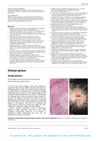
April 2002 in “The Lancet” Painful hair loss in an elderly woman was caused by giant cell arteritis, not just aging.
 January 2014 in “Pathology”
 RET mutation is important in familial medullary thyroid carcinoma, and BRAF mutation in papillary thyroid carcinoma is linked to more aggressive cancer and higher death rates.
 December 2023 in “bioRxiv (Cold Spring Harbor Laboratory)”
 Aged individuals heal wounds less effectively due to specific immune cell issues.
April 2020 in “Journal of the Endocrine Society” Type 3 acromegaly patients have more health issues and higher death risk.
 April 2024 in “bioRxiv (Cold Spring Harbor Laboratory)”
 Removing Sprouty genes in mice causes various hormone-related issues but does not increase cancer risk by one year of age.

Teprotumumab for thyroid eye disease commonly causes fatigue, brittle nails, dry eyes, hair loss, muscle spasms, and dry mouth, with rare serious events like blood clots.
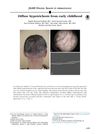 September 2016 in “Journal of The American Academy of Dermatology”
 The girl has a genetic hair condition causing thin hair since childhood.
 5 citations
,
September 2021 in “Journal of Medical Biochemistry”
5 citations
,
September 2021 in “Journal of Medical Biochemistry” wAMD patients have higher oxidative stress, suggesting antioxidant treatment may help.