 2 citations
,
October 2025 in “Discover Immunity.”
2 citations
,
October 2025 in “Discover Immunity.” Alopecia Areata is an autoimmune disease causing hair loss, with no cure yet, but research may lead to new treatments.
 1 citations
,
January 2017 in “Current Dermatology Reports”
1 citations
,
January 2017 in “Current Dermatology Reports” Early baldness in men may indicate risks for obesity, metabolic syndrome, insulin resistance, and heart disease, similar to women with PCOS. Alopecia areata is often linked with autoimmune diseases and mental health issues. Certain hair disorders are due to genetic issues, and chemotherapy can cause hair loss through specific biological pathways. Iron deficiency's link to hair loss is still disputed.
January 2026 in “Contemporary Clinical Dentistry” VKHD can include rare oral symptoms like discolored teeth.
 September 2025 in “Dermatology and Therapy”
 Baricitinib is a promising treatment for alopecia areata in the UAE, but there are challenges with data and access.
A 32-year-old man with early graying hair shows a unique pattern, suggesting more research is needed on why hair grays early.
A man with four autoimmune diseases suggests a new category for multiple autoimmune syndrome.
 December 2017 in “The journal of investigative dermatology. Symposium proceedings/The Journal of investigative dermatology symposium proceedings”
 The summit aimed to speed up finding treatments for alopecia areata.
 102 citations
,
December 2017 in “The journal of investigative dermatology. Symposium proceedings/The Journal of investigative dermatology symposium proceedings”
102 citations
,
December 2017 in “The journal of investigative dermatology. Symposium proceedings/The Journal of investigative dermatology symposium proceedings” Restoring hair bulb immune privilege is crucial for managing alopecia areata.
 23 citations
,
November 2018 in “Journal of the European Academy of Dermatology and Venereology”
23 citations
,
November 2018 in “Journal of the European Academy of Dermatology and Venereology” The study concluded that severity of Frontal fibrosing alopecia is not linked to how long someone has it, can start before menopause, and eyebrow loss may be an early sign.
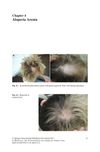 December 2016 in “Springer eBooks”
 A 45-year-old woman with autoimmune diseases experienced patchy hair loss due to alopecia areata, which has no cure but can be treated, with varying success.
 391 citations
,
January 2010 in “Journal of The American Academy of Dermatology”
391 citations
,
January 2010 in “Journal of The American Academy of Dermatology” Half of people with Alopecia Areata may see hair regrowth within a year without treatment, but recovery is unpredictable.
 290 citations
,
December 2017 in “Journal of The American Academy of Dermatology”
290 citations
,
December 2017 in “Journal of The American Academy of Dermatology” Alopecia areata is an autoimmune condition causing hair loss, influenced by genetics, stress, and diet, and may be prevented by a high soy oil diet.
 166 citations
,
April 2012 in “Journal of The American Academy of Dermatology”
166 citations
,
April 2012 in “Journal of The American Academy of Dermatology” Mostly postmenopausal Caucasian women get Frontal Fibrosing Alopecia, which often includes eyebrow loss and has limited treatment success.
 151 citations
,
February 2007 in “International Journal of Dermatology”
151 citations
,
February 2007 in “International Journal of Dermatology” Alopecia areata causes hair loss, has no cure, and various treatments exist.
 114 citations
,
January 2007 in “Drug Safety”
114 citations
,
January 2007 in “Drug Safety” Some drugs can cause skin, nail, and hair problems, which are important for healthcare professionals to recognize and report.
 94 citations
,
October 2017 in “International Journal of Dermatology”
94 citations
,
October 2017 in “International Journal of Dermatology” Lichen planus pigmentosus causes dark skin patches and is treated by avoiding triggers and using anti-inflammatory medications.
 80 citations
,
November 1975 in “Acta dermato-venereologica”
80 citations
,
November 1975 in “Acta dermato-venereologica” Large doses of glucocorticoids are not suitable for general use in treating severe alopecia areata due to inconsistent results and risks.
 47 citations
,
March 2019 in “Journal of immunology research”
47 citations
,
March 2019 in “Journal of immunology research” Valproic Acid could potentially be used to treat immune-related conditions due to its ability to modify immune cell functions.
 34 citations
,
October 2017 in “Archivos Argentinos De Pediatria”
34 citations
,
October 2017 in “Archivos Argentinos De Pediatria” Alopecia Areata is a complex, unpredictable autoimmune hair loss condition with limited treatment options and a significant psychological impact.
 27 citations
,
March 2018 in “Allergy and asthma proceedings”
27 citations
,
March 2018 in “Allergy and asthma proceedings” People with alopecia areata often have higher rates of allergies and autoimmune diseases.
 27 citations
,
July 2015 in “International Journal of Dermatology”
27 citations
,
July 2015 in “International Journal of Dermatology” Every elderly patient had at least one skin condition, often linked to other diseases, highlighting the need for integrated skin and general healthcare in the elderly.
 23 citations
,
November 2020 in “Central-European Journal of Immunology/Central European Journal of Immunology”
23 citations
,
November 2020 in “Central-European Journal of Immunology/Central European Journal of Immunology” Alopecia areata, a type of hair loss, is likely an autoimmune disease with a genetic link, but its exact cause is still unknown.
 17 citations
,
July 1994 in “Journal of Dermatological Science”
17 citations
,
July 1994 in “Journal of Dermatological Science” The cause of alopecia areata is likely a mix of genetics, immune system issues, and environmental factors, with more research needed to understand it fully.
 16 citations
,
April 2007 in “Journal of Medical Primatology”
16 citations
,
April 2007 in “Journal of Medical Primatology” The monkey's hair loss was due to an autoimmune disease, not genetics.
 11 citations
,
August 2012 in “Canadian journal of ophthalmology”
11 citations
,
August 2012 in “Canadian journal of ophthalmology” Eyelash alopecia areata often goes undiagnosed and can lead to complete eyelash regrowth, especially in younger patients.
 5 citations
,
August 2014 in “Archivos Argentinos de Pediatria”
5 citations
,
August 2014 in “Archivos Argentinos de Pediatria” A girl with Turner syndrome had psoriasis, alopecia areata, and trachyonychia.
 4 citations
,
August 2013 in “Case reports in dermatology”
4 citations
,
August 2013 in “Case reports in dermatology” A patient with total hair loss developed vitiligo after using a treatment called DCP.
 3 citations
,
February 2008 in “Basic and clinical dermatology”
3 citations
,
February 2008 in “Basic and clinical dermatology” Telogen Effluvium is a hair loss condition where treatment involves identifying and managing its triggers.
 2 citations
,
July 2022 in “Frontiers in Medicine”
2 citations
,
July 2022 in “Frontiers in Medicine” The cause of Frontal fibrosing alopecia, a type of hair loss, is complex, likely involving immune responses and genetics, but is not fully understood.
 2 citations
,
August 2014 in “Archivos argentinos de pediatría”
2 citations
,
August 2014 in “Archivos argentinos de pediatría” A 6-year-old girl with Turner syndrome also had psoriasis, alopecia areata, and trachyonychia.