 3 citations
,
December 2011 in “Pediatric Dermatology”
3 citations
,
December 2011 in “Pediatric Dermatology” The patient's long-term hair loss was caused by leukemia treatments and low estrogen levels, worsened by her genetic tendency for hair loss.
 1 citations
,
September 2013 in “Elsevier eBooks”
1 citations
,
September 2013 in “Elsevier eBooks” Hair ages and thins due to factors like inflammation and stress, and treatments like antioxidants and hormones might improve hair health.
Menopause is a clear hormonal transition in women, while men experience a gradual testosterone decline, with some needing lifestyle changes and targeted therapy.
 May 2019 in “Anais brasileiros de dermatologia/Anais Brasileiros de Dermatologia”
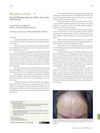
 Frontal fibrosing alopecia mostly affects postmenopausal women, with diagnosis often delayed by 3 years.
 16 citations
,
July 2012 in “The New England Journal of Medicine”
16 citations
,
July 2012 in “The New England Journal of Medicine” The patient was diagnosed with anorexia nervosa and severe malnutrition, requiring urgent refeeding and monitoring.
 37 citations
,
January 1997 in “Clinics in Dermatology”
37 citations
,
January 1997 in “Clinics in Dermatology” Hair problems are common and distressing for women, but increasing knowledge of treatments offers hope.
 14 citations
,
January 2001 in “Primary Care Update for Ob/gyns”
14 citations
,
January 2001 in “Primary Care Update for Ob/gyns” Primary care doctors should address female sexual dysfunctions to improve women's sexual health and life quality.
 1 citations
,
February 2017 in “Journal of gynecology and womens health”
1 citations
,
February 2017 in “Journal of gynecology and womens health” The document concluded that more research is needed to understand how estrogen affects the enzyme involved in hirsutism development.
 44 citations
,
July 2011 in “Dermato-endocrinology”
44 citations
,
July 2011 in “Dermato-endocrinology” Thyroid hormone affects skin health, with too little causing rough, pale skin and too much leading to smooth, thin skin, and may also impact wound healing and skin conditions.
 24 citations
,
July 2011 in “PubMed”
24 citations
,
July 2011 in “PubMed” Thyroid hormones affect skin texture, hair and nail growth, and can cause skin diseases related to thyroid problems.
research 1249
December 2012 in “Critical Care Medicine” Recognizing myxedema coma is crucial due to its high risk and unusual symptoms.
1 citations
,
June 2025 in “Journal of Clinical Medicine” Frontal fibrosing alopecia often occurs after menopause, with delayed diagnosis and possible links to certain medications and conditions.
January 2022 in “Clinical Cases in Dermatology” Hypothyroidism can cause hair loss, which is often reversible with treatment.
April 2019 in “Journal of the Endocrine Society” A 31-year-old woman was diagnosed with Complete Androgen Insensitivity Syndrome much later than usual, leading to a call for earlier detection and treatment guidelines.
2 citations
,
September 2025 in “Cosmetics” Hormonal therapies can improve skin issues by adjusting hormone levels, with future advancements promising better results.
3 citations
,
November 2019 in “Journal of the ASEAN Federation of Endocrine Societies” A 20-year-old woman with a rare form of Turner syndrome showed improvement with hormonal therapy and needs comprehensive care.
April 2020 in “Journal of the Endocrine Society” The patient with a misplaced pituitary gland and interrupted pituitary stalk is being treated with hormone replacement.
 July 2015 in “Journal of the Dermatology Nurses’ Association”
 A 66-year-old woman experienced hair loss due to Frontal Fibrosing Alopecia, a condition with no consistently effective treatment, but it usually stabilizes over time. More research is needed for better understanding and treatment options.

Early diagnosis and management of Sheehan's syndrome are crucial for improving quality of life and fertility.
36 citations
,
August 2022 in “Frontiers in Cell and Developmental Biology” Sebaceous glands age due to genetic and environmental factors, affecting sebum production and composition.
January 2026 in “Clinics in Dermatology” Managing menopause symptoms like skin changes and hair thinning involves hormone therapy, procedures, and skincare, with emotional support being important.
 1 citations
,
January 2015 in “Journal of Pigmentary Disorders”
1 citations
,
January 2015 in “Journal of Pigmentary Disorders” Melasma is a skin condition linked to female hormones, genetics, UV exposure, and certain medications, but not to pituitary, adrenal, or thyroid diseases.
42 citations
,
July 2010 in “European Journal of Cell Biology” Thyroid hormones affect hair follicle stem cells by promoting differentiation and reducing growth.
 October 2011 in “Dermato-endocrinology”
 Hormones significantly affect skin health, with vitamin D playing a key role.
12 citations
,
January 2017 in “PubMed” Gastroparesis can cause persistent TSH elevation in hypothyroidism despite treatment.
 February 2022 in “Journal of Armed Forces Medical College”
 The patient with autoimmune hypothyroidism improved after treatment for thyroid and associated conditions.
 25 citations
,
June 2019 in “Endocrine Related Cancer”
25 citations
,
June 2019 in “Endocrine Related Cancer” Mutations in certain receptors can cause diseases and offer new treatment options.
 9 citations
,
January 2007 in “Gynecological Endocrinology”
9 citations
,
January 2007 in “Gynecological Endocrinology” A woman was the first known case to have both polycystic ovary syndrome and autoimmune polyglandular syndrome type 2, suggesting a need to check for both conditions in similar patients.
 16 citations
,
January 2006 in “The Aging Male”
16 citations
,
January 2006 in “The Aging Male” Hormone imbalances can cause skin diseases, and understanding these links is important for diagnosis and treatment.
April 2020 in “Journal of the Endocrine Society” Early diagnosis of PSIS can lead to normal height with growth hormone and testosterone treatment.