
Baricitinib is used for severe alopecia areata after trying corticosteroids or other JAK inhibitors.
 November 2023 in “Research Portal Denmark”
 Baricitinib shows promise for severe alopecia areata but isn't a cure and has side effects.
 April 2016 in “Journal of The American Academy of Dermatology”
 The study found that Temporal Triangular Alopecia often starts in early childhood, mainly affects the left side of the scalp, and has no effective treatment except surgery.
July 2026 in “Journal of the American Academy of Dermatology”  3 citations
,
January 2022 in “Medical Mycology Journal”
3 citations
,
January 2022 in “Medical Mycology Journal” Malassezia fungi in healthy noses can form a "spaghetti-and-meatballs" structure.
15 citations
,
August 2004 in “Journal of the American Academy of Dermatology” Shaving can cause a viral skin infection that looks like bacterial folliculitis.
 July 2023 in “Skin Research and Technology”
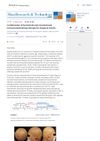
 Baricitinib combined with other immune therapies may safely and effectively treat severe scalp hair loss.
5 citations
,
November 2010 in “Veterinary Record” The monkeys' skin infection was cured in eight weeks using oral terbinafine, topical washes, and disinfectant fogging.
10 citations
,
September 1994 in “International Journal of Dermatology” Three Iranian men had reddish-brown facial pigmentation with no effective treatment.
 17 citations
,
January 2015 in “International Journal of Trichology”
17 citations
,
January 2015 in “International Journal of Trichology” Frontal fibrosing alopecia may affect nails and could be a type of lichen planus, treatable with certain medications.
1 citations
,
November 2014 in “Actas dermo-sifiliográficas/Actas dermo-sifiliográficas”  January 2025 in “SKIN The Journal of Cutaneous Medicine”
 Baricitinib treatment for severe alopecia areata shows significant improvement by 52 weeks, especially in very severe cases.
January 2026 in “Surgical & Cosmetic Dermatology”  July 2025 in “Frontiers in Medicine”
 Baricitinib successfully regrew hair in an 8-year-old boy with alopecia totalis linked to a KRT74 gene variant.
February 2013 in “Journal of the American Academy of Dermatology”  1 citations
,
July 2018 in “CMAJ. Canadian Medical Association journal”
1 citations
,
July 2018 in “CMAJ. Canadian Medical Association journal” A three-year-old girl has hair loss despite treatment with selenium sulfide shampoo and anti-fungal medication.
December 2025 in “International Journal of Dermatology” Björnstad syndrome can cause hair loss similar to androgenetic alopecia, and treatment with baricitinib and minoxidil may help.
 September 2022 in “Journal of The American Academy of Dermatology”
 Baricitinib was effective in regrowing eyebrow and eyelash hair in patients with severe alopecia areata.
 56 citations
,
March 2010 in “Journal of Dermatology”
56 citations
,
March 2010 in “Journal of Dermatology” Most cases of Temporal Triangular Alopecia are found in early childhood and may be related to genetic conditions.
2 citations
,
December 2007 in “Microbial pathogenesis” Anthrax bacteria can infect and destroy hair follicles in mice, but the immune system eventually clears the infection.
2 citations
,
August 2007 in “Zoonoses and Public Health” Two southern chamois in the Eastern Pyrenees had skin infections caused by a fungus.
 8 citations
,
July 2014 in “Anais Brasileiros de Dermatologia”
8 citations
,
July 2014 in “Anais Brasileiros de Dermatologia” A man's scalp condition was misidentified as hair loss dots but was actually a common follicular disorder.
 4 citations
,
May 2025 in “Dermatology and Therapy”
4 citations
,
May 2025 in “Dermatology and Therapy” Baricitinib effectively improves symptoms of atopic dermatitis and alopecia areata with few side effects.
 December 2023 in “Journal of Cosmetic Dermatology”
 Baricitinib effectively and safely improves hair growth in patients with severe alopecia areata.
 9 citations
,
June 2019 in “Mycopathologia”
9 citations
,
June 2019 in “Mycopathologia” Malassezia yeast linked to hair loss; ketoconazole helps treat it.
5 citations
,
March 1943 in “Archives of Dermatology and Syphilology” A rare case of severe scalp hair loss and nail issues in keratosis follicularis was observed.
 April 2023 in “Journal of the American Academy of Dermatology”
 Switching between the medications tofacitinib and baricitinib can be effective for treating hair loss in alopecia areata.
 November 2023 in “British Journal of Dermatology”
 Different people with severe hair loss respond to baricitinib treatment at different times, with some showing improvement early, some gradually, and others later.
 1 citations
,
August 2023 in “JAMA Dermatology”
1 citations
,
August 2023 in “JAMA Dermatology” Increasing the dose of baricitinib to 4 mg helps more patients with severe alopecia areata regrow hair.
Thicker hair resists fungal damage better, and hair color doesn't affect susceptibility.