March 2003 in “中華皮膚科醫學雜誌” Trichothiodystrophy causes unusual hair and developmental issues.
30 citations
,
February 2010 in “The journal of investigative dermatology/Journal of investigative dermatology” Plet-1 protein helps hair follicle cells move and stick to tissues.
55 citations
,
November 2010 in “Journal of Allergy and Clinical Immunology” The L412F variant of TLR3 is linked to skin infections, more viral infections, and autoimmune issues.
July 2026 in “Pathology - Research and Practice” 11 citations
,
May 2008 in “British journal of dermatology/British journal of dermatology, Supplement” Identical p53 gene mutations in different cancers suggest the need for careful treatment.
 April 2025 in “Jurnal Multidisiplin Dehasen (MUDE)”
 The hair tonic with fragrant pandan leaf extract and VCO was mostly stable, except for the F3 formulation.
47 citations
,
June 1994 in “Experimental Cell Research” mHa2 and mHa3 keratins have different structures and roles in mouse hair and tongue tissues.
52 citations
,
June 1991 in “Journal of Virology” The hamster polyomavirus middle T antigen is linked to tumors in hamsters and associates with a specific tyrosine kinase.
1 citations
,
June 2022 in “bioRxiv (Cold Spring Harbor Laboratory)” Reprogramming 3D environments can create hair follicles in the lab.
 2 citations
,
January 2001 in “Biomedical Research”
2 citations
,
January 2001 in “Biomedical Research” Trichohyalin and peptidylarginine deiminase type III are found together in rat hair follicles, with trichohyalin being modified after expression.
5 citations
,
March 2008 in “DMW - Deutsche Medizinische Wochenschrift” A man was poisoned with thallium, treated successfully, but still had some nerve issues after 6 months.
April 2011 in “www.virtualization.info” Early diagnosis of trachyonychia improves treatment and reduces psychological and cosmetic issues.
135 citations
,
October 1997 in “Journal of biological chemistry/The Journal of biological chemistry” Trichohyalin is modified by enzymes to form strong structures in hair cells.

The document corrects a mistake by stating that pimecrolimus, not tacrolimus, is the drug that concentrates in the skin.
12 citations
,
April 2019 in “Nature protocols” Scientists created a functional 3D skin system from stem cells that can be transplanted into wounds.
 1 citations
,
April 2025 in “Scientific Reports”
1 citations
,
April 2025 in “Scientific Reports” Researchers discovered how to control Claudin expression in cells, aiding cancer and regenerative medicine research.
May 2022 in “The journal of immunology/The Journal of immunology” FOXN1 is crucial for thymus development and immune response in Xenopus laevis.
16 citations
,
March 1991 in “International Journal of Dermatology” Tinea capitis is rare in healthy adults but should be considered in scalp issues.
 26 citations
,
February 1998 in “Chemico-Biological Interactions”
26 citations
,
February 1998 in “Chemico-Biological Interactions” Scientists identified three genes important for processing certain brain chemicals, thyroid hormones, and medications.
 99 citations
,
August 2009 in “Nature Genetics”
99 citations
,
August 2009 in “Nature Genetics” Removing both Atr and Trp53 genes in adult mice causes severe tissue damage and death due to DNA damage.
February 2017 in “Cancer Research” Topical calcitriol appears safe and may reduce hair loss during chemotherapy.

ARHGEF3 is essential for proper hair follicle development.
Par3–mInsc and Gαi3 work together to ensure proper cell division orientation in skin development.
 August 2019 in “Journal of Invertebrate Pathology”
 Thymosin beta 4 protects cells from damage by blocking a harmful microRNA and boosting a protective gene.
3 citations
,
March 2023 in “Annals of the New York Academy of Sciences” Mutations in claudin-1 and claudin-3 cause hair loss in baby mice.
37 citations
,
June 1996 in “Journal of cellular physiology” Retinoic acid, glucocorticoids, and IGF1 increase IGFBP-3 production in human dermal papilla cells, affecting hair growth.
19 citations
,
June 2020 in “BMC Cancer” Trichilemmal carcinoma shares genetic changes with other skin cancers, suggesting similar causes and potential treatments.
 13 citations
,
August 2007 in “Bioorganic & medicinal chemistry letters”
13 citations
,
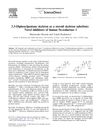
August 2007 in “Bioorganic & medicinal chemistry letters” A new compound effectively inhibits human 5α-reductase 1.
April 2026 in “Proceedings of the National Academy of Sciences” Tmem30b is essential for hearing by maintaining hair cell structure in the ear.
1 citations
,
December 1996 in “Cell Biology and Toxicology”