 May 2022 in “Pharmacognosy journal”
 Moringa seed oil may help prevent hair loss and promote hair growth.
 April 2022 in “Diabetes Therapy”
 Low testosterone does not prevent prostate cancer in men with type 1 diabetes.
 March 2022 in “VNU Journal of Science Medical and Pharmaceutical Sciences”
 A new method accurately measures nine steroid hormones in human serum with high sensitivity.
 January 2022 in “Surgical & Cosmetic Dermatology”
 Fat grafting before FUE hair transplantation effectively treats scalp scars.
 July 2021 in “Advances in laboratory medicine”
 Diagnosing sex development disorders requires combining medical history, physical exams, imaging, lab tests, and genetic data.
 December 2020 in “Current Sexual Health Reports”
 Finasteride can have lasting negative effects on brain function and behavior by disrupting neurosteroid production.
 November 2020 in “Elsevier eBooks”
 Antiandrogens and androgen inhibitors like spironolactone, finasteride, and dutasteride can treat hair loss and skin conditions, but they have risks and side effects, including potential harm to pregnant women and risks of cancer and heart issues. Herbal remedies also have antiandrogenic effects but lack safety validation.
 January 2019 in “Oncogen”
 Triple Hormonal Blockade (ADT3) can effectively manage prostate cancer but requires careful monitoring for heart risks.

Changes in skin bacteria can affect hair loss and new treatments targeting these bacteria may prevent balding without sexual side effects.
 April 2018 in “The journal of investigative dermatology/Journal of investigative dermatology”
 Androgens increase growth factors in skin cells, which may lead to acne.
 September 2017 in “Journal of Investigative Dermatology”
 The Siah1 and Siah2 genes are active in mouse skin development and hair growth, especially right after birth.
 September 2017 in “Journal of Investigative Dermatology”
 Aging causes sweat glands to shrink and move upward, leading to less elastic skin and more wrinkles.
 April 2017 in “Austin Journal of Cancer and Clinical Research”
 5α-reductase inhibitors like Finasteride and Dutasteride may help manage prostate cancer by blocking testosterone conversion.
 December 2016 in “University of Birmingham Institutional Research Archive (University of Birmingham)”
 Steroid-producing capabilities in certain cancers may contribute to treatment resistance.
 December 2015 in “University of Birmingham Institutional Research Archive (University of Birmingham)”
 AKR1C3 could be a treatment target for metabolic issues in PCOS.
 January 2014 in “Revista del Hospital Juárez de México”
 Finasteride reduces bleeding during prostate surgery.
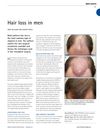 May 2013 in “Trends in Urology & Men's Health”
 Male-pattern hair loss is normal, often involves hormone effects on hair follicles, and can be treated with medication or surgery, but new treatments are being researched.
 August 2012 in “Expert Review of Dermatology”
 Men with early hair loss may have a higher risk of enlarged prostate and possibly prostate cancer due to shared hormonal factors.
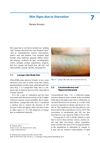 June 2012 in “Springer eBooks”
 Skin changes can indicate starvation and nutritional deficiencies in anorexia nervosa.
 January 2012 in “Human health handbooks”
 Traditional Indian remedies are used for hair health, but more scientific evidence is needed to prove their safety and effectiveness.
 January 2010 in “Elsevier eBooks”
 Hair transplantation is a treatment for hair loss mainly caused by genetics, with various techniques and potential complications, and results visible after 8-12 months.
 January 2008 in “Annals of Nutrition and Metabolism”
 Parthenolide promotes hair growth in mice and may influence pathways related to male pattern baldness.
 October 2006 in “Aging Health”
 Dutasteride effectively treats benign prostatic obstruction, improves urinary flow, reduces prostate size, and may prevent prostate cancer, but can cause sexual side effects.
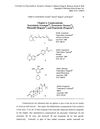
Isotretinoin and tazarotene help treat acne, while minoxidil and finasteride promote hair growth.
 January 2004 in “Online Publication Service of Würzburg University (Würzburg University)”
 Women with PCOS have higher 5alpha-reductase activity, affecting steroid levels.
 May 2003 in “Journal of Investigative Dermatology”
 The meeting covered advances in understanding hair growth, causes of hair loss, and potential treatments.
 February 1990 in “Journal of The American Academy of Dermatology”
 New skin treatments in 1987-1988 showed effectiveness for various conditions, but some had side effects or risks.

Avicennia marina extract and avicequinone C can potentially promote hair growth and treat hair loss by interfering with hair loss mechanisms and boosting growth factors.
 March 2023 in “International Journal of Advanced Research in Science, Communication and Technology”
 Various medicinal plants like Polygonum multiflorum, Red ginseng extract, and Zizyphus jujuba can potentially treat hair loss, offering benefits like low cost and multiple ways of working. Other effective natural substances include Pygeum africanum, Seneroa, Urtica dioica, and more.

Caffeine can potentially treat common hair loss by counteracting hair follicle shrinkage caused by hormones.