 2 citations
,
April 2019 in “Experimental Dermatology”
2 citations
,
April 2019 in “Experimental Dermatology” The article concludes that studying how skin forms is key to understanding skin diseases and improving regenerative medicine.
 160 citations
,
January 2014 in “Seminars in cell & developmental biology”
160 citations
,
January 2014 in “Seminars in cell & developmental biology” Early development of hair, teeth, and glands involves specific signaling pathways and cellular interactions.
 11 citations
,
January 2013 in “Methods in molecular biology”
11 citations
,
January 2013 in “Methods in molecular biology” The method allows for 3D tracking of hair follicle stem cells and shows they can regenerate hair for up to 180 days.
20 citations
,
May 2011 in “Journal of Clinical Investigation” The study created a mouse model to mimic degenerative diseases for testing tissue repair and new therapies.
6 citations
,
March 2007 in “BioTechniques” PCR genotyping in cre-loxP mice can be inaccurate due to unintended gene deletions in non-target tissues.
 7 citations
,
October 2018 in “BMC genomics”
7 citations
,
October 2018 in “BMC genomics” Key genes can rewire networks, changing skin appendage types.
May 2025 in “Experimental Dermatology” A new genetic tool improves the study of hair growth and potential hair disorder treatments.
 August 2009 in “Mechanisms of Development”
 Adult hair follicle cells can create new hair follicles from corneal cells with the right support.
 99 citations
,
August 2009 in “Nature Genetics”
99 citations
,
August 2009 in “Nature Genetics” Removing both Atr and Trp53 genes in adult mice causes severe tissue damage and death due to DNA damage.
 252 citations
,
April 2009 in “Seminars in Cell & Developmental Biology”
252 citations
,
April 2009 in “Seminars in Cell & Developmental Biology” The immune system plays a key role in tissue repair, affecting both healing quality and regenerative ability.
 83 citations
,
January 2015 in “World Journal of Stem Cells”
83 citations
,
January 2015 in “World Journal of Stem Cells” Hair follicle regeneration needs special conditions and young cells.
 30 citations
,
April 2010 in “Cell Cycle”
30 citations
,
April 2010 in “Cell Cycle” The gene p53 is crucial for removing damaged cells to allow for healthy tissue renewal.
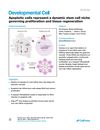 25 citations
,
June 2021 in “Developmental Cell”
25 citations
,
June 2021 in “Developmental Cell” Dying cells can help with faster healing and new hair growth by releasing a growth-promoting molecule.
 2 citations
,
May 2023 in “bioRxiv (Cold Spring Harbor Laboratory)”
2 citations
,
May 2023 in “bioRxiv (Cold Spring Harbor Laboratory)” Stem cells help remove dead cells to keep tissues healthy by balancing cell replacement and clearance.
 1 citations
,
August 2023 in “bioRxiv (Cold Spring Harbor Laboratory)”
1 citations
,
August 2023 in “bioRxiv (Cold Spring Harbor Laboratory)” Certain cells in the adult mouse ear come from cranial neural crest cells, but muscle and hair cells do not.
 42 citations
,
May 2016 in “Annual Review of Cell and Developmental Biology”
42 citations
,
May 2016 in “Annual Review of Cell and Developmental Biology” Fat cells are important for tissue repair and stem cell support in various body parts.
 12 citations
,
July 2017 in “Scientific reports”
12 citations
,
July 2017 in “Scientific reports” Researchers developed a way to study human body clocks using hair tissue, which works similarly in both healthy and dementia patients.
 252 citations
,
February 2018 in “npj Regenerative Medicine”
252 citations
,
February 2018 in “npj Regenerative Medicine” Understanding different species' regeneration can improve mammalian healing.
 7 citations
,
April 2012 in “Biomolecular concepts”
7 citations
,
April 2012 in “Biomolecular concepts” Keratin is crucial for keeping skin cells healthy and its changes can lead to diseases and affect cell behavior.

Dual TCR Treg cells are common in mouse tissues and vary by location.

Dual TCR Treg cells are common in various mouse tissues and show diverse characteristics.
 64 citations
,
November 2012 in “EMBO reports”
64 citations
,
November 2012 in “EMBO reports” Lamins are vital for cell survival, organ development, and preventing premature aging.
 33 citations
,
June 2017 in “Developmental Biology”
33 citations
,
June 2017 in “Developmental Biology” Mice can correct hair follicle orientation without certain genes, but proper overall alignment needs those genes.
 2 citations
,
June 2026 in “Frontiers in Science”
2 citations
,
June 2026 in “Frontiers in Science” Regulatory T cells help control the immune system and could lead to new treatments for diseases.
 January 2024 in “Regenerative Biomaterials”
 Metal organic frameworks-based scaffolds show promise for tissue repair due to their unique properties.
 35 citations
,
May 2021 in “Nature communications”
35 citations
,
May 2021 in “Nature communications” The skin's basement membrane has specialized structures and molecules for different tissue interactions, important for hair growth and attachment.
 2 citations
,
April 2020 in “bioRxiv (Cold Spring Harbor Laboratory)”
2 citations
,
April 2020 in “bioRxiv (Cold Spring Harbor Laboratory)” The skin's basement membrane is specially designed to support different types of connections between skin layers and hair follicles.
 April 2026 in “Nature Communications”
 Aged corneal cells can revert to a stem-like state to help repair tissue.
 33 citations
,
December 2004 in “Differentiation”
33 citations
,
December 2004 in “Differentiation” Mouse amnion can turn into skin and hair follicles with help from certain cells and factors.
 333 citations
,
February 2010 in “Cell Stem Cell”
333 citations
,
February 2010 in “Cell Stem Cell” Stem cell niches are crucial for regulating stem cell behavior and tissue health, and their decline can impact aging and cancer.