 April 2019 in “Journal of Investigative Dermatology”
 Activating the Sonic hedgehog pathway can help regenerate hair follicles during wound healing in mice, potentially improving regeneration after injury.
 April 2019 in “Journal of Investigative Dermatology”
 Combining platelet-rich plasma injections and gel may effectively treat morphea, improving skin elasticity and reducing pain.
 April 2017 in “The journal of investigative dermatology/Journal of investigative dermatology”
 Astrotactin2 affects hair follicle orientation and skin cell polarity.
7 citations
,
May 2022 in “Cancers” UC.145 may be a new biomarker for predicting gastric cancer.
4 citations
,
May 2024 in “Cytotechnology” 215 citations
,
November 2000 in “Journal of Investigative Dermatology” The system allows precise control of gene expression in mouse skin, useful for studying skin biology.
 November 2023 in “Scientific Reports”
 A gene mutation in Lama3 is linked to a common type of hair loss.
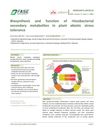 November 2025 in “Frontiers of Agricultural Science and Engineering”
 Rhizobacterial strain RT3 helps lettuce survive drought by producing protective substances like proline.
5 citations
,
July 2014 in “Molecular Biology Reports” September 2025 in “Current Oncology” LncRNAs may help improve brain cancer treatment and diagnosis.
April 2018 in “The journal of investigative dermatology/Journal of investigative dermatology” Esrp1 is important for skin health by helping form and maintain the skin barrier.
4 citations
,
August 2022 in “Cells” lncRNA2919 slows down rabbit hair growth by stopping cell growth and causing cell death.
52 citations
,
July 2011 in “PubMed” TRPS1 is crucial for bone, kidney, and hair follicle development.
 October 2023 in “Cell & bioscience”
 A special gene region controls the re-emergence of a primitive wool type in Merino sheep, improving their wool yield and adaptability.
 January 2013 in “International Journal of Trichology”
 A new mutation in the TRPS1 gene was found in a Ukrainian girl with Trichorhinophalangeal syndrome type I.
 January 2024 in “Genetics in Medicine Open”
 Adults with Tatton-Brown-Rahman syndrome may have serious heart problems and need lifelong heart monitoring.
 April 2023 in “Cancer research”
 KRTAP2-3 could help predict cancer recurrence by identifying specific cancer cells.
41 citations
,
February 2021 in “Translational research” Non-coding RNAs could help detect and treat radiation damage.
40 citations
,
July 2023 in “Clinical Pharmacology & Therapeutics” Targeted protein degraders show promise in treating cancer but need to target more diverse proteins.
50 citations
,
December 2005 in “European Journal of Immunology” RXRα is crucial for proper immune response and links diet to immune function.
 145 citations
,
May 2008 in “Cancer Science”
145 citations
,
May 2008 in “Cancer Science” Cancer cells often have more copies of TERT and TERC genes, which helps them grow and could affect patient outcomes.
 1 citations
,
September 2020 in “Journal of Dermatological Science”
1 citations
,
September 2020 in “Journal of Dermatological Science” The gene LRRC15 is more active in balding areas of the scalp compared to non-balding areas.
 25 citations
,
November 2018 in “Cell reports”
25 citations
,
November 2018 in “Cell reports” The study concluded that specific proteins are necessary to maintain the structure that holds epithelial cells tightly together.
March 2026 in “Adipocyte” Spt4 and Spt6 are essential for fat cell development.
11 citations
,
January 2015 in “Journal of cellular physiology” HR protein causes abnormal hair cycles by increasing Tgf-β2 and reducing miR-31.
 August 2019 in “Research Square (Research Square)”
 Certain long non-coding RNAs in cashmere goats affect hair growth when treated with a specific growth factor.
3 citations
,
December 2023 in “Aging” hsa_circ_0002980 can help stop liver cancer cells from growing and spreading.
Sox13 is a marker for early hair follicle development but not essential for skin and hair growth.
18 citations
,
December 2002 in “European Journal of Biochemistry” MsPG3 protein gathers at root hair tips, aiding growth.
2 citations
,
March 2010 in “Acta Biochimica Polonica” Raltitrexed conjugates are less potent than the free drug but more effective at high concentrations.