 July 2025 in “Journal of Cosmetic Dermatology”
 Alternative treatments are needed when Tofacitinib alone fails for alopecia areata.
 54 citations
,
September 2019 in “Journal of the European Academy of Dermatology and Venereology”
54 citations
,
September 2019 in “Journal of the European Academy of Dermatology and Venereology” Tofacitinib is somewhat effective for alopecia areata, but more research is needed on its safety and long-term effects.
 4 citations
,
September 2018 in “The Journal of Dermatology”
4 citations
,
September 2018 in “The Journal of Dermatology” A man's hair regrew from alopecia areata after using tofacitinib and experiencing contact dermatitis from a wig device.
 9 citations
,
October 2019 in “Dermatologic Therapy”
9 citations
,
October 2019 in “Dermatologic Therapy” Oral tofacitinib has a moderate success rate and is generally safe for treating hair loss in some patients.
8 citations
,
January 2017 in “Dermatology online journal” Tofacitinib helped psoriasis but not alopecia universalis, needing more research.
 April 2024 in “Clinical and experimental dermatology”
 Tofacitinib is effective for severe alopecia areata, similar to oral betamethasone.
 1 citations
,
April 2018 in “The journal of investigative dermatology/Journal of investigative dermatology”
1 citations
,
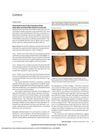
April 2018 in “The journal of investigative dermatology/Journal of investigative dermatology” Oral tofacitinib significantly improves lichen planopilaris symptoms without adverse effects.
 41 citations
,
December 2015 in “JAMA Dermatology”
41 citations
,
December 2015 in “JAMA Dermatology” Tofacitinib citrate improved nail dystrophy and pain in patients with alopecia universalis without causing side effects.
 11 citations
,
January 2018 in “Acta dermato-venereologica”
11 citations
,
January 2018 in “Acta dermato-venereologica” Tofacitinib works better and is more tolerable for severe alopecia than conventional treatments and DPCP immunotherapy.
 January 2024 in “Dermatologic therapy”
 Tofacitinib is a safe treatment for hair loss in children, but long-term use may be needed for best results.
 April 2023 in “Journal of Investigative Dermatology”
 The study created special nanoparticles that effectively deliver an anti-inflammatory drug to treat skin inflammation in psoriasis.
 January 2019 in “Nihon Yakuri Gakkai nenkai yoshishu”
 Current treatments for lower urinary tract symptoms include α1-blockers, 5ARIs, PDE5 inhibitors, anticholinergic agents, and β3-adrenergic receptor agonists.
June 2025 in “British Journal of Dermatology” Tofacitinib was more effective than methotrexate for treating alopecia areata.
 8 citations
,
June 2022 in “Frontiers in Medicine”
8 citations
,
June 2022 in “Frontiers in Medicine” Both individual and combined treatments of tofacitinib and corticosteroids can help regrow hair in moderate-to-severe alopecia areata, but ongoing treatment may be necessary.
 May 2026 in “Journal of Neurosciences in Rural Practice”
 Tofacitinib may cause nerve damage in the brain, so monitor for neurological symptoms.
The document explains how certain drugs block hormones to treat cancers like breast and prostate cancer.
August 2003 in “药物不良反应杂志” Combining finasteride and terazosin can cause severe allergic reactions.
 March 2005 in “Journal of The American Academy of Dermatology”
 Mycophenolate mofetil improved skin condition in a man with nephrogenic fibrosing dermopathy.
3 citations
,
March 2024 in “Journal of the American Academy of Dermatology” Low-dose naltrexone helps improve symptoms and stabilize frontal fibrosing alopecia and lichen planopilaris.
 16 citations
,
March 2013 in “JAMA Dermatology”
16 citations
,
March 2013 in “JAMA Dermatology” A cancer drug called nilotinib might cause hair loss due to inflammation around hair follicles.
8 citations
,
January 2011 in “Korean Journal of Andrology” The doxazosin plus tamsulosin combination improved symptoms effectively with fewer side effects.
 9 citations
,
April 2018 in “Journal of Dermatological Treatment”
9 citations
,
April 2018 in “Journal of Dermatological Treatment” Tofacitinib improves nail conditions in patients with severe hair loss and does not affect hair regrowth.
 January 2023 in “National Journal of Physiology, Pharmacy and Pharmacology”
 Tofacitinib effectively reduced hair loss in alopecia areata patients without adverse effects.
3 citations
,
May 2024 in “Indian Journal of Dermatology” Tofacitinib can cause a rare rash called SDRIFE, which resolves after stopping the drug.
 9 citations
,
March 1989 in “The BMJ”
9 citations
,
March 1989 in “The BMJ” Adding diltiazem to a beta blocker can cause dangerously slow heart rates.
 September 2024 in “Skin Appendage Disorders”
 Tofacitinib helped a woman regrow her hair without relapses after other treatments failed.
 24 citations
,
June 2016 in “Acta dermato-venereologica”
24 citations
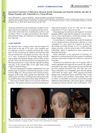
,
June 2016 in “Acta dermato-venereologica” Tofacitinib helped a young woman's severe hair loss and arthritis but not her plaque psoriasis.

These medications for BPH have known risks and may have new side effects.
 June 2024 in “Australasian Journal of Dermatology”
 Tofacitinib is safe and effective for treating moderate-to-severe alopecia areata.
 13 citations
,
November 2021 in “Pediatric Dermatology”
13 citations
,
November 2021 in “Pediatric Dermatology” Tofacitinib taken by mouth helps treat hair loss in children.