18 citations
,
January 2015 in “Experimental Dermatology” New mutations in KRT83 and KRT86 are linked to the hair disorder monilethrix.
 20 citations
,
March 2017 in “Journal of cutaneous pathology”
20 citations
,
March 2017 in “Journal of cutaneous pathology” Shrinking of oil glands in the skin is a key sign of hair loss linked to TNF inhibitor drugs and may improve if the treatment is stopped.
40 citations
,
December 2010 in “Human Genetics” June 2026 in “British Journal of Dermatology” Frontal fibrosing alopecia is linked to thyroid disease, lupus, vitiligo, and heart disease.
 October 2023 in “Psychiatry research. Case reports”
 A new HRAS gene variant may cause a range of symptoms including intellectual disability and psychiatric issues.
 62 citations
,
March 2008 in “American Journal of Human Genetics”
62 citations
,
March 2008 in “American Journal of Human Genetics” Hair loss gene found on chromosome 3q26.
42 citations
,
September 2012 in “PLoS ONE” Bezafibrate treatment improved skin and spleen health in aging mice but didn't extend lifespan.

Tofacitinib significantly regrows hair in severe alopecia without major side effects.
2 citations
,
December 2023 in “International Journal of Dermatology” A unique type of hair loss mimics another condition but has minimal inflammation and specific immune cells present.
 8 citations
,
May 2017 in “Singapore Medical Journal”
8 citations
,
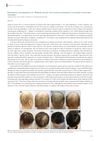
May 2017 in “Singapore Medical Journal” A Korean woman with complete hair loss regrew her hair after taking tofacitinib, with no side effects.
1 citations
,
May 2015 in “Experimental Dermatology” Overactive Stat3 in mouse skin causes hair loss and cell structure damage.
11 citations
,
January 2021 in “British Journal of Dermatology” Mutations in the AP1B1 gene cause a new syndrome with skin, hearing, and developmental issues.
2 citations
,
November 2004 in “Blood” RXRa is crucial for Th2 immune cell development and may link nutrition to immune health.
12 citations
,
July 2004 in “Molecular genetics and genomics” A new mouse mutation causes skin and hair defects due to a gene change.
54 citations
,
February 2002 in “Carcinogenesis” Increasing SSAT makes skin more prone to cancer.
 9 citations
,
October 2021 in “International Journal of Dermatology”
9 citations
,
October 2021 in “International Journal of Dermatology” Tofacitinib is effective and safe for treating severe hair loss in a Saudi population.
76 citations
,
January 1998 in “Mammalian Genome” 14 citations
,
January 2010 in “Dermatology” Some people with congenital triangular alopecia have a central tuft of hair in the bald patch, but the cause is unknown.
 January 2023 in “National Journal of Physiology, Pharmacy and Pharmacology”
 Tofacitinib effectively reduced hair loss in alopecia areata patients without adverse effects.
20 citations
,
January 2002 in “Laboratory Animals” Mutations in the hairless gene cause hair loss and skin cysts in rhesus macaques.
12 citations
,
July 2020 in “Actas Dermo-Sifiliográficas” Frontal fibrosing alopecia mostly affects postmenopausal women, often involves eyebrows, and is linked to conditions like lichen planus and rosacea.
 36 citations
,
September 2015 in “Forensic Science International: Genetics”
36 citations
,
September 2015 in “Forensic Science International: Genetics” Certain DNA variants can predict straight hair in Europeans but are not highly specific.
March 2022 in “Oncology Times” Tebentafusp-tebn improves survival rates in uveal melanoma patients but has common side effects like rash and fatigue.
 3 citations
,
February 2022 in “Cureus”
3 citations
,
February 2022 in “Cureus” Frontal fibrosing alopecia can sometimes look like syphilitic hair loss.
July 2026 in “bioRxiv (Cold Spring Harbor Laboratory)” FAKΔe4 helps cells sense and respond to different stiffness levels in their environment.
 December 2025 in “Meditsinskiy sovet = Medical Council”
 Early diagnosis and multidisciplinary care are crucial for managing CNOT3 syndrome.
September 2019 in “Journal of Investigative Dermatology” CCCA in women of African ancestry may be caused by PADI3 gene mutations and intense hair grooming.
 March 2026 in “Journal of Pakistan Association of Dermatologists”
 Tofacitinib helps hair regrowth in alopecia areata but relapse is common after stopping treatment.
6 citations
,
June 2012 in “PloS one” A new mRNA variant of the SCF gene in sheep skin produces a shorter, different protein.
 February 2023 in “Journal of dermatology”
 The first Japanese case of a genetic hair disorder caused by specific mutations in the LIPH gene was identified.