September 2023 in “Journal of the American Academy of Dermatology” CTP-543 is generally safe for treating alopecia areata.
 2 citations
,
March 2024 in “Meditsinskiy sovet = Medical Council”
2 citations
,
March 2024 in “Meditsinskiy sovet = Medical Council” JAK inhibitors effectively treat severe atopic dermatitis and alopecia areata.
10 citations
,
January 2023 in “SAGE Open Medical Case Reports” Upadacitinib may effectively treat both alopecia universalis and Crohn's disease.
Baricitinib shows promise for treating alopecia areata with mild side effects.
 14 citations
,
July 2012 in “Journal of the American Academy of Dermatology”
14 citations
,
July 2012 in “Journal of the American Academy of Dermatology” Topical tacalcitol ointment can help improve symptoms of EFFC.
 December 2024 in “Clinical and Experimental Dermatology”
 Switching to ritlecitinib improves hair regrowth and well-being in severe alopecia areata patients.
 February 2026 in “Dove Medical Press (Taylor and Francis Group)”
 Upadacitinib can effectively regrow hair in alopecia areata patients without worsening sarcoidosis.
8 citations
,
January 2023 in “Indian Dermatology Online Journal” Baricitinib effectively treats certain skin conditions but may have serious side effects.
2 citations
,
January 2022 in “JAAD Case Reports” The rash resolved after stopping ponatinib.
 June 2026 in “Saudi Medical Horizons Journal”
 JAK inhibitors show promise in treating skin conditions like eczema, hair loss, and vitiligo but need more safety research.
10 citations
,
May 2020 in “Dermatologic therapy” Tildrakizumab significantly improved recalcitrant lichen planopilaris and frontal fibrosing alopecia.
 April 2024 in “Frontiers in pharmacology”
 Brepocitinib 30mg is most effective for moderate-to-severe alopecia areata, but ritlecitinib 50mg may offer a better balance of safety and effectiveness.
March 2026 in “Immunological Medicine” Janus kinase inhibitors help some people with severe alopecia areata regrow hair, but not everyone responds, and relapses can happen.
8 citations
,
March 2023 in “PubMed” JAK inhibitors show promise in treating difficult skin diseases.
 44 citations
,
April 2006 in “Expert opinion on drug safety”
44 citations
,
April 2006 in “Expert opinion on drug safety” Gefitinib can cause skin problems, diarrhea, and nausea, but rarely causes severe lung disease or hair loss.
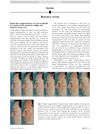 157 citations
,
December 2015 in “Journal of the American Academy of Dermatology”
157 citations
,
December 2015 in “Journal of the American Academy of Dermatology” A man with vitiligo and alopecia saw quick skin and hair improvement with ruxolitinib, but skin color gains were lost after stopping treatment.
 6 citations
,
May 2023 in “Drugs”
6 citations
,
May 2023 in “Drugs” Baricitinib helps regrow hair in adults with severe alopecia better than a placebo and is approved for treatment, but long-term effects are still unknown.
 November 2025 in “Mendeley Data”
 JAK inhibitors can be safely used for alopecia areata in patients with latent hepatitis B or stable tuberculosis with proper monitoring.
 November 2025 in “Mendeley Data”
 JAK inhibitors can be safely used in alopecia areata patients with latent hepatitis B or tuberculosis, with proper monitoring.
 November 2023 in “Dermatologica sinica/Zhōnghuá pífūkē yīxué zázhì”
 Upadacitinib helped regrow hair in a severe alopecia areata patient but stopping treatment caused hair loss to return.
 116 citations
,
February 2017 in “Journal of the American Academy of Dermatology”
116 citations
,
February 2017 in “Journal of the American Academy of Dermatology” JAK inhibitors help with skin conditions but need more research on dosing and safety.
 66 citations
,
June 2021 in “Journal of The American Academy of Dermatology”
66 citations
,
June 2021 in “Journal of The American Academy of Dermatology” Baricitinib is effective and safe for treating severe alopecia areata.
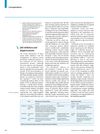 56 citations
,
January 2019 in “Lancet”
56 citations
,
January 2019 in “Lancet” JAK inhibitors help regrow hair in alopecia areata patients, improving their quality of life.
 53 citations
,
January 2018 in “JAAD case reports”
53 citations
,
January 2018 in “JAAD case reports” Dupilumab for eczema may cause hair loss.
 52 citations
,
September 2018 in “International Journal of Molecular Sciences”
52 citations
,
September 2018 in “International Journal of Molecular Sciences” Ginseng and its compounds may help hair growth and prevent hair loss, but more human trials are needed to confirm this.
 47 citations
,
October 2014 in “Expert Opinion on Emerging Drugs”
47 citations
,
October 2014 in “Expert Opinion on Emerging Drugs” New alopecia treatments aim for better results and fewer side effects.
 44 citations
,
June 2018 in “Journal of Cellular Physiology”
44 citations
,
June 2018 in “Journal of Cellular Physiology” Researchers developed a 3D model of human hair follicle cells that can help understand hair growth and test new hair loss treatments.
 37 citations
,
August 2022 in “Frontiers in pharmacology”
37 citations
,
August 2022 in “Frontiers in pharmacology” Oral JAK inhibitors are effective and safe for treating alopecia areata but may need ongoing use to keep results.
 26 citations
,
October 2016 in “Biomolecules & Therapeutics”
26 citations
,
October 2016 in “Biomolecules & Therapeutics” 3-Deoxysappanchalcone helps human hair cells grow and stimulates hair growth in mice by affecting certain cell signaling pathways.
 25 citations
,
October 2019 in “JAAD Case Reports”
25 citations
,
October 2019 in “JAAD Case Reports” Baricitinib helped a woman with severe hair loss regrow almost all her hair without side effects.