Search
for
Sort by
Research
180-210 / 1000+ results
research Journal of Population Therapeutics and Clinical Pharmacology
Baricitinib is more effective than methotrexate for severe alopecia areata.
research Topical sulfonylurea as a novel therapy for hypertrichosis secondary to diazoxide, and potentially for other conditions with excess hair growth
Topical sulfonylurea may reduce excessive hair growth caused by certain medications.
research A Randomised Controlled Trial Comparing the Therapeutic Efficacy and Safety of Oral Cyclosporine and Oral Betamethasone Minipulse Therapy in the Treatment of Alopecia Areata
Cyclosporine is more effective than betamethasone for treating alopecia areata, despite mild side effects.
research Development of Novel Indole-Based Bifunctional Aldose Reductase Inhibitors/Antioxidants as Promising Drugs for the Treatment of Diabetic Complications
New indole-based compounds, particularly cemtirestat, show promise as dual-function drugs for diabetic complications.
research Metformin and Amoxicillin/Clavulanate as Co-Administration for the Treatment of Hyperglycemia in Female Rats Caused by Alloxan.
Combining metformin with amoxicillin/clavulanate lowers blood sugar in diabetic female rats.

research Baricitinib Withdrawal and Retreatment in Patients With Severe Alopecia Areata
Continuous baricitinib is needed to keep hair regrowth in severe alopecia areata.

research Treatment of Steroid-Resistant Beard-Restricted Alopecia Areata with Baricitinib
Baricitinib helped treat a man's beard hair loss when steroids didn't work.
research ODP056 The Treatment of Opioid Addiction Leading to Secondary Adrenal Insufficiency
Long-term treatment with buprenorphine/naloxone for opioid addiction may lead to secondary adrenal insufficiency.

research Alopecia Areata Following the Use of Belimumab in a Patient with Systemic Lupus Erythematosus and Arthritis Who Responded Well to Baricitinib: A Case Report
Baricitinib improved hair loss and arthritis in a lupus patient.
research Semaglutide as a Cornerstone Therapy in Obesity: Clinical and Pharmacological Insights
Semaglutide is an effective weekly treatment for obesity, promoting weight loss and improving health, despite some side effects.
research ZALCITABINE
research Cushing's syndrome due to pharmacological interaction in a cystic fibrosis patient
A cystic fibrosis patient developed Cushing's syndrome from a drug interaction between itraconazole and budesonide, which improved after stopping the medications.
research Metformin and malignant neoplasms: a possible mechanism of antitumor action and prospects for use in practice
Metformin, a diabetes drug, may also help fight cancer, but more research is needed to understand how.
research P075 A randomized controlled trial comparing the efficacy and safety of oral tofacitinib vs. methotrexate in moderate-to-severe alopecia areata
Tofacitinib was more effective than methotrexate for treating alopecia areata.
research Effects of dobutamine on cyclic AMP accumulation induced by the stimulation of dopamine receptors in rabbit retina in vitro
Dobutamine does not mimic dopamine at therapeutic doses but may at very high concentrations; microfilaments, not microtubules, are important for wound healing in Xenopus embryos.
research [[Translated article]]RF- Mesotherapy with Bicalutamide: A Novel Alternative for Androgenetic Alopecia
RF-mesotherapy with bicalutamide may be a promising new treatment for hair loss.
research Abstract 4142154: Risk of Suicide, Hair Loss, and Aspiration with Glucagon-like Peptide 1 Receptor Agonists: A Real-World Pharmacovigilance Study from the FAERS database
GLP1-RAs may have higher reports of suicide and hair loss, but no strong evidence links them to these issues.
research [The treatment of epilepsies with Convulsofin].
Convulsofin effectively treats primary epilepsy but has some side effects.
research Possible Carbamazepine-Induced Reversible Onychomadesis
Carbamazepine may cause reversible nail detachment.
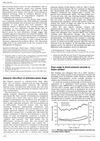
research Alopecia side-effect of antituberculosis drugs
Some tuberculosis drugs may cause hair loss, but hair might regrow after treatment or changing the drugs.

research Teriflunomide: a novel oral treatment for relapsing multiple sclerosis
Teriflunomide is an effective and safe first-line oral treatment for relapsing multiple sclerosis.
research Role of neurosteroids in the anticonvulsant activity of midazolam
Midazolam's seizure prevention is partly due to increased neurosteroid production.

research ¿Novedad o prudencia? El delicado equilibrio en la actualización farmacológica
New drugs face challenges due to limited evidence, and safety updates are advised for some existing medications.
research Effects of mitotane treatment on human steroid metabolism: implications for patient management
Mitotane changes steroid breakdown, affecting cortisol availability.
research Pustular Eruption in a Patient Treated With Trametinib
Trametinib can cause skin issues, but they can often be managed without stopping the drug.
research Mechanisms of Disease: selective inhibition of 11β-hydroxysteroid dehydrogenase type 1 as a novel treatment for the metabolic syndrome
Blocking the enzyme 11β-HSD1 might help treat obesity and metabolic issues.
research Temporal lobe epilepsy exacerbation during pharmacological inhibition of endogenous neurosteroid synthesis
Stopping finasteride improved seizure control, suggesting neurosteroids affect seizures and treatment.

research Metoprolol and alopecia.
Metoprolol, a blood pressure medication, was linked to reversible hair loss.
research A comparison of cabergoline and bromocriptine in the treatment of hyperprolactinemic amenorrhea
Cabergoline is more effective and has fewer side effects than bromocriptine for treating women with hyperprolactinemic amenorrhea.