Alopecia areata is an autoimmune disease that targets hair follicles.
 September 2016 in “Journal of Dermatological Science”
 A gene mutation worsens skin irritation in mice due to a lack of certain fats.
 14 citations
,
June 2017 in “Immunity”
14 citations
,
June 2017 in “Immunity” Special immune cells called Treg cells are important for maintaining and regenerating hair by activating a specific growth signal in hair stem cells.
 192 citations
,
March 2017 in “Cell host & microbe”
192 citations
,
March 2017 in “Cell host & microbe” Hair follicle development and microbes help regulatory T cells gather in newborn skin.
 May 2026 in “Scientific Reports”
 Overexpression of LRIG3 in skin causes hair loss.
November 2011 in “Journal of Investigative Dermatology” TRH in hair follicles can influence hair color by increasing melanin.
 October 2011 in “Journal of dermatology”
 A man with a rare skin condition and a new gene mutation developed high calcium levels due to his treatment.
60 citations
,
September 2023 in “Science” BTNL proteins help control inflammatory bowel disease by maintaining specific immune cells.
April 2019 in “Journal of the Endocrine Society” A woman's severe insulin resistance improved with treatment, but she still had high testosterone levels due to ovarian issues.
10 citations
,
November 2023 in “Science Immunology” Super-enhancers control CD25 expression in specific cell types, affecting immune function.
215 citations
,
November 2000 in “Journal of Investigative Dermatology” The system allows precise control of gene expression in mouse skin, useful for studying skin biology.
 February 2011 in “Journal of Clinical Investigation”
 Genetically repaired stem cells may treat certain genetic diseases, Th17 cells are key in fighting systemic fungal infections, hair loss in AGA is due to progenitor cell loss, and α-synuclein transfer might contribute to Parkinson's disease progression.
July 2022 in “British Journal of Dermatology” 6 citations
,
May 2023 in “Dermatology Research and Practice” IL-15 and TNF-α levels are higher in alopecia areata patients, especially in alopecia totalis.
6 citations
,
December 2015 in “Journal of Dermatological Case Reports” Intradermal testing can better detect corticosteroid allergies than patch testing.
 34 citations
,
July 2020 in “Frontiers in immunology”
34 citations
,
July 2020 in “Frontiers in immunology” Androgens may influence T cells, contributing to higher autoimmune liver disease risk in women.
 January 2026 in “Scientific Reports”
 PCOS involves immune and genetic factors, with key roles for T cells and specific genes.
 43 citations
,
February 2019 in “International immunology”
43 citations
,
February 2019 in “International immunology” Special immune cells called Regulatory T cells help control skin inflammation and repair in various skin diseases.
ILC1-like cells can independently cause alopecia areata by affecting hair follicles.
24 citations
,
January 1985 in “Dermatology” Higher levels of certain immune cells in hair follicles may contribute to alopecia areata.
 74 citations
,
May 2016 in “Current opinion in pediatrics, with evaluated MEDLINE/Current opinion in pediatrics”
74 citations
,
May 2016 in “Current opinion in pediatrics, with evaluated MEDLINE/Current opinion in pediatrics” Both vitiligo and alopecia areata involve an immune response triggered by stress and specific genes, with treatments targeting this pathway showing potential.
 January 2024 in “Frontiers in endocrinology”
 The study suggests that hypothyroidism may cause alopecia areata.
 21 citations
,
January 2005 in “Pediatric Dermatology”
21 citations
,
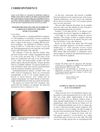
January 2005 in “Pediatric Dermatology” An 8-year-old girl with vitiligo developed extra hair growth on her knee after using tacrolimus ointment.
91 citations
,
August 2019 in “Frontiers in Microbiology” RpoS helps Borrelia burgdorferi survive in hosts and adapt to different environments.
 8 citations
,
February 2015 in “Cellular immunology”
8 citations
,
February 2015 in “Cellular immunology” Deleting Snai2 and Snai3 causes fatal autoimmunity.
 April 2023 in “Journal of Investigative Dermatology”
 Cyclosporin A, a drug, reduces TGF-β2 expression in skin cells, potentially causing excessive hair growth through a process involving the calcineurin/NFAT pathway.
248 citations
,
August 2015 in “Pharmacological Research” Vaccines are generally safe, but rare autoimmune reactions can occur, often influenced by genetics.
2 citations
,
June 2025 in “Journal of Investigative Dermatology” CD8+ T cells re-expressing CD45RA may predict treatment resistance in severe alopecia areata.
 1 citations
,
January 2025 in “American Journal of Translational Research”
1 citations
,
January 2025 in “American Journal of Translational Research” PPARα agonists may help treat alopecia areata by reducing inflammation.
3 citations
,
July 2022 in “Brain and Behavior” The HtrA1L364P mutation causes brain dysfunction and blood vessel damage.