 10 citations
,
July 2022 in “Dermatology and Therapy”
10 citations
,
July 2022 in “Dermatology and Therapy” Melasma's causes include genetics, sun exposure, hormones, and oxidative stress, and understanding these can help create better treatments.
10 citations
,
November 2020 in “American Journal Of Pathology” Integrin β1 is crucial for liver structure and function, preventing fibrosis.
7 citations
,
May 2023 in “Nanomaterials” Titanium dioxide nanoparticles may harm the male reproductive system.
7 citations
,
January 2020 in “The journal of investigative dermatology/Journal of investigative dermatology” NIPP1 is important for healthy skin and could help treat skin inflammation.
7 citations
,
March 2017 in “Experimental and Therapeutic Medicine” Hair follicle cells can help keep embryonic stem cells undifferentiated.
6 citations
,
October 2024 in “Frontiers in Bioengineering and Biotechnology” A special hydrogel helps stem cells heal wounds better by boosting growth factors.
5 citations
,
May 2024 in “Molecules” Glycyrrhetinic acid from licorice may help treat acne by reducing inflammation and oil production.
5 citations
,
August 2021 in “STAR Protocols” The protocol helps visualize detailed structures in mouse skin and cells using scanning electron microscopy.
4 citations
,
April 2024 in “Animals” Copaiba oil and multivitamin emulsion can effectively treat allergic dermatitis in donkeys caused by Culicoides bites.
4 citations
,
October 2022 in “Current Urology” Platelet-rich plasma shows promise in reducing pain for bladder pain syndrome.
 4 citations
,
November 2021 in “Biomedicines”
4 citations
,
November 2021 in “Biomedicines” New digital tools are improving the diagnosis and understanding of irreversible hair loss conditions.
2 citations
,
May 2023 in “Veterinary Pathology” Understanding genetic variations in mice is crucial for studying skin, hair, or nail abnormalities.
February 2026 in “Advanced Science” Targeting the p300/AR axis may help treat polycystic ovary syndrome.
January 2026 in “PLoS Biology” ARHGEF3 is essential for proper hair follicle development in mice.
October 2025 in “PLoS ONE” Age-related hearing loss involves cochlear damage and metabolic changes.
June 2025 in “Proceedings of the National Academy of Sciences” A PIK3CA mutation in Schwann cells causes severe nerve damage and increased glycolysis, but early treatment can help.
 May 2025 in “Proceedings of the National Academy of Sciences”
 UTX is crucial for skin differentiation and health, especially in females.
April 2025 in “Experimental Eye Research” The Oat mouse model shows mild retinal degeneration, useful for testing treatments.
April 2024 in “American Journal of Biological Anthropology” Hair traits vary widely and are not reliable indicators of ancestry.
March 2024 in “Veterinary sciences” Geriatric Julia Creek dunnarts often suffer from reproductive and skin diseases, impacting conservation efforts.
 March 2023 in “Scientific Reports”
 Using focused ultrasound on the brain can help epilepsy medicine work better in rats.
March 2019 in “SLAS TECHNOLOGY” New technologies show promise in healing wounds, treating cancer, autoimmune diseases, and genetic disorders.
April 2023 in “Chinese Medical Journal” Human hair follicle stem cells help repair tendon injuries.
88 citations
,
August 2014 in “PLOS genetics” Syndecan-1 is essential for maintaining skin fat and preventing cold stress.
19 citations
,
February 2016 in “Journal of Biological Chemistry” KCNQ potassium channels help control the sensitivity of touch receptors in the skin.
106 citations
,
February 2014 in “eLife” Lanceolate complexes in mouse hair follicles are essential for touch and depend on specific cells for maintenance and regeneration.
 16 citations
,
May 1998 in “International Journal of Dermatology”
16 citations
,
May 1998 in “International Journal of Dermatology” Stress hormones like cortisol may trigger psoriasis flare-ups.
 3 citations
,
February 2012 in “The American Journal of Dermatopathology”
3 citations
,
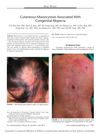
February 2012 in “The American Journal of Dermatopathology” A 3-year-old girl with skin mast cell buildup and congenital baldness improved with treatment, suggesting a rare link between these conditions.
 2 citations
,
November 1998 in “Journal of The European Academy of Dermatology and Venereology”
2 citations
,
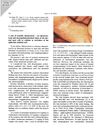
November 1998 in “Journal of The European Academy of Dermatology and Venereology” Prednisone reduces organ mast cell infiltration but does not alter the abnormal appearance of mast cells in systemic mastocytosis.
Daily hair care may cause holes in hair fibers.