 2 citations
,
January 2023 in “International journal of biological sciences”
2 citations
,
January 2023 in “International journal of biological sciences” Gray hair can potentially be reversed, leading to new treatments.
 2 citations
,
January 2011 in “Elsevier eBooks”
2 citations
,
January 2011 in “Elsevier eBooks” Early treatment of acne is crucial to prevent scarring and psychological effects.
1 citations
,
January 2016 in “Journal of Headache & Pain Management” Discontinuing topical minoxidil can resolve headaches and dizziness.
 1 citations
,
December 2013 in “Turkderm”
1 citations
,
December 2013 in “Turkderm” Use of cosmeceuticals during pregnancy and breastfeeding is not recommended due to insufficient safety data.
 1 citations
,
January 2009
1 citations
,
January 2009 A 25-year-old Malay fireman had skin bumps on his neck that were removed successfully after other treatments failed.
 1 citations
,
February 2004
1 citations
,
February 2004 Skin diseases are common and can significantly affect people's lives; better outcome measures and ethical clinical trials are needed to improve dermatology care.
November 2025 in “Journal of Medicinal Chemistry” Topical PROTACs show promise for treating skin conditions but need better stability and delivery methods.
 November 2025 in “Bioscientia Medicina Journal of Biomedicine and Translational Research”
 A combined treatment with microneedling and vitamin D3 led to complete hair regrowth in a woman with stubborn patch alopecia areata.
August 2025 in “Biomolecules” CBD may help with skin and hair issues, but more research is needed.
 October 2024 in “Journal of Education Health and Sport”
 Alopecia areata treatment should be personalized, using topical or systemic therapies based on severity, with promising options like JAK inhibitors needing more research.

Combining hydroxychloroquine and pimecrolimus can effectively treat hair loss from discoid lupus.
 May 2024 in “Journal of Education, Health and Sport”
 Current treatments for folliculitis decalvans include antibiotics, isotretinoin, and potential new therapies like botulinum toxin A and PRP.
 April 2024 in “Frontiers in medicine”
 Alopecia Areata significantly lowers quality of life and current treatments are inadequate, highlighting a need for better therapies and standardized treatment protocols.
 February 2024 in “ACS Omega”
 The Shen Bai Hair Growing Decoction may help treat hair loss by promoting hair growth and reducing inflammation.
 January 2024 in “International Journal of Trichology”
 Combining microneedling with glycosaminoglycan lotion may improve hair growth in mild androgenetic alopecia.
 November 2023 in “Frontiers in pharmacology”
 Drug repositioning offers hope for new, affordable treatments for a genetic skin disorder called ARCI.
 July 2022 in “Singapore Medical Journal”
 Most children with alopecia areata improved with treatment, but those with more hair loss had worse outcomes.
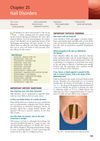 January 2018 in “Elsevier eBooks”
 Different nail disorders are treated by targeting their specific causes and using appropriate medications or protective measures.
 March 2017 in “InTech eBooks”
 Acne vulgaris is a common skin condition that can cause low self-esteem and depression, and early treatment is important to prevent scarring.
February 2017 in “Cancer Research” Topical calcitriol appears safe and may reduce hair loss during chemotherapy.
 August 2010 in “The Journal of Dermatology”
 The document concludes that low-dose acne treatment is most suitable for moderate acne, with high patient satisfaction and low relapse rates.
 April 2016 in “Journal of The American Academy of Dermatology”
 People with hair loss have low zinc levels; zinc supplements and laser therapy may help.
 151 citations
,
February 2007 in “International Journal of Dermatology”
151 citations
,
February 2007 in “International Journal of Dermatology” Alopecia areata causes hair loss, has no cure, and various treatments exist.
 70 citations
,
February 2015 in “Expert Opinion on Drug Discovery”
70 citations
,
February 2015 in “Expert Opinion on Drug Discovery” Topical drugs and near-infrared light therapy show potential for treating alopecia.
 38 citations
,
November 2012 in “Expert Opinion on Drug Safety”
38 citations
,
November 2012 in “Expert Opinion on Drug Safety” Common acne treatments can cause various side effects, like skin irritation and more serious issues, but combination therapies are often more effective and better tolerated.
 32 citations
,
January 2012 in “International Journal of Dermatology”
32 citations
,
January 2012 in “International Journal of Dermatology” Skin side effects from EGFR inhibitor cancer treatment can be managed effectively, often without stopping the medication.
 24 citations
,
July 2019 in “Cochrane library”
24 citations
,
July 2019 in “Cochrane library” Some treatments like methotrexate with prednisone might help juvenile morphea, but more research is needed to confirm.
 17 citations
,
December 2001 in “Dermatologic therapy”
17 citations
,
December 2001 in “Dermatologic therapy” Different treatments for alopecia areata have unpredictable results and varying success rates.
 8 citations
,
May 2025 in “Dermatology and Therapy”
8 citations
,
May 2025 in “Dermatology and Therapy” Local corticosteroids can help with alopecia areata, but hair loss often returns after stopping treatment.
 6 citations
,
November 1999 in “Mycoses”
6 citations
,
November 1999 in “Mycoses” A man in Japan got better from a scalp fungal infection using terbinafine.