 1 citations
,
April 2022 in “The Egyptian Journal of Hospital Medicine ”
1 citations
,
April 2022 in “The Egyptian Journal of Hospital Medicine ” Fractional laser therapy may help regrow hair in alopecia areata.
 1 citations
,
July 2015 in “British Journal of Dermatology”
1 citations
,
July 2015 in “British Journal of Dermatology” Imiquimod improved skin pigmentation in most patients with xeroderma pigmentosum and may prevent further skin cancer, but some treatments can have side effects.
 1 citations
,
January 2014 in “Elsevier eBooks”
1 citations
,
January 2014 in “Elsevier eBooks” Melanocytes produce melanin; their defects cause vitiligo and hair graying, with treatments available for vitiligo.
 January 2025 in “Dermatology Practical & Conceptual”
 Perinevoid alopecia can be effectively treated with non-invasive corticosteroids.
 October 2022 in “The Egyptian Journal of Hospital Medicine”
 Topical corticosteroids are the preferred first treatment for children with Alopecia Areata.
 April 2021 in “International Journal of Research in Dermatology”
 A child with a rare scalp condition regrew hair after treatment.
 March 2021 in “Clin-Alert”
 The FDA warned about safety issues with remdesivir and tofacitinib, finasteride is linked to suicidality, potent topical corticosteroids increase osteoporosis risk, henna can cause hemolysis in G6PD deficiency, chemotherapeutic agents can cause adverse reactions, drug interactions are common in cancer patients, ketamine can reduce at-risk drinking, high dose of anticholinergics increases dementia risk in Parkinson's patients, and prenatal exposure to second-generation antipsychotics increases pregnancy complications.
 September 1995 in “American Journal of Contact Dermatitis”
 Antiyeast treatments work better for seborrheic dermatitis than steroids, and other findings include increased skin bacteria under plastic wrap, a nasal cell defect in Staphylococcus aureus carriers, quick resolution of certain skin reactions, high rubber latex allergy in spina bifida patients, and glyceryl monopentadecanoate's effectiveness for male hair loss.
 January 1987 in “Side effects of drugs annual”
 Some cosmetics and dermatological drugs can cause allergic reactions and side effects, like skin irritation and systemic issues.
 28 citations
,
July 2002 in “Australasian Journal of Dermatology”
28 citations
,
July 2002 in “Australasian Journal of Dermatology” Lupus can look like hair loss from alopecia areata but needs different treatment.
 16 citations
,
July 2002 in “Australasian Journal of Dermatology”
16 citations
,
July 2002 in “Australasian Journal of Dermatology” A woman with lupus experienced skin death due to a blood clotting disorder after stopping a blood thinner, which healed with treatment.
 July 2002 in “Australasian Journal of Dermatology”
 A woman with lupus had hair loss and skin issues that were successfully treated with medications.
 26 citations
,
January 2019 in “Expert Opinion on Investigational Drugs”
26 citations
,
January 2019 in “Expert Opinion on Investigational Drugs” New treatments for hair loss show promise, but more research is needed to confirm their safety and effectiveness.
 84 citations
,
April 2005 in “Dermatologic Clinics”
84 citations
,
April 2005 in “Dermatologic Clinics” Treatments for melanin disorders exist, but more effective options needed.
 60 citations
,
September 2015 in “Expert Review of Clinical Immunology”
60 citations
,
September 2015 in “Expert Review of Clinical Immunology” Lymphocytes, especially CD8+ T cells, play a key role in causing alopecia areata, and targeting them may lead to new treatments.
 48 citations
,
May 1999 in “International Journal of Dermatology”
48 citations
,
May 1999 in “International Journal of Dermatology” Alopecia areata is an unpredictable autoimmune hair loss condition, treated based on severity, with half of patients regrowing hair within a year without treatment.
 2 citations
,
October 2018 in “Springer eBooks”
2 citations
,
October 2018 in “Springer eBooks” Cancer treatments can cause skin-related side effects that may affect patient quality of life and require changes in treatment.
 33 citations
,
November 2014 in “Military Medicine”
33 citations
,
November 2014 in “Military Medicine” The U.S. military's teledermatology program was effective in providing fast and successful skin care in remote locations, preventing unnecessary evacuations.
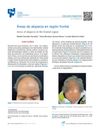 January 2025 in “Revista del Centro Dermatológico Pascua”
 Early diagnosis and treatment can help manage fibrosing alopecia in older women.
 9 citations
,
October 2017 in “Archivos Argentinos de Pediatria”
9 citations
,
October 2017 in “Archivos Argentinos de Pediatria” Alopecia areata needs new treatments targeting autoimmune processes due to its emotional impact and variable treatment responses.
 46 citations
,
January 2015 in “Pediatric Rheumatology”
46 citations
,
January 2015 in “Pediatric Rheumatology” Skin symptoms are important for diagnosing and managing juvenile-onset systemic lupus erythematosus and usually get better with treatment.

Alopesi tedavisinde ilaçlar saç büyümesini teşvik eder ve yeni yaklaşımlar umut vaat eder.
1 citations
,
January 2014 Current methods for assessing bioequivalence of topical drugs are limited and lack standardization.
32 citations
,
June 2024 in “Pharmaceutics” Nanoformulations improve drug delivery through the skin, reducing side effects and enhancing effectiveness.
 July 2025 in “Pharmaceuticals”
 Phenobarbital-loaded chitosan nanoparticles are promising for preventing hair loss from chemotherapy.
25 citations
,
January 2024 in “Journal of Lipids” Cubosomes improve drug delivery for skin and eye diseases by enhancing adhesion, retention, and release.
January 2019 in “Egyptian Journal of Dermatology and Venereology /Egyptian Journal of Dermatology and Venerology” Mixing calcipotriol with a steroid is almost as effective as using a steroid alone for alopecia areata and has fewer side effects.
December 2017 in “Journal of Pigmentary Disorders”  December 2024 in “Pharmaceutics”
 Spironolactone nano-formulations show promise for treating skin disorders, but more research is needed for safety and effectiveness.
5 citations
,
January 2015 in “Saudi journal for health sciences” Alopecia areata in Taif is common, mainly immune-related, and best treated with topical corticosteroids and vitamins.