28 citations
,
July 2015 in “Dermatologic therapy” The combined therapy was effective and safe for children with severe alopecia areata.
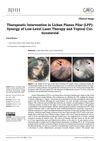 January 2024 in “Brazilian Journal of Hair Health”
 Combining low-level laser therapy with topical corticosteroids effectively improved Lichen Planopilaris symptoms.
December 2025 in “Saudi Journal of Medicine and Public Health” Pharmacists are key in choosing and guiding the safe use of topical corticosteroids for skin conditions.
 January 2022 in “Clinical, Cosmetic and Investigational Dermatology”
 A mix of methotrexate, corticosteroids, and topical minoxidil effectively treated severe total body hair loss, but caused stretch marks and needs long-term monitoring.
 June 2025 in “Clinical Cosmetic and Investigational Dermatology”
 Combining corticosteroids and minoxidil can quickly regrow hair lost from radiation.
 15 citations
,
May 2017 in “JEADV. Journal of the European Academy of Dermatology and Venereology/Journal of the European Academy of Dermatology and Venereology”
15 citations
,
May 2017 in “JEADV. Journal of the European Academy of Dermatology and Venereology/Journal of the European Academy of Dermatology and Venereology” High-dose corticosteroids and methotrexate had a modest effect on severe childhood alopecia, but side effects and relapse were concerns.
January 2003 in “Journal of Practical Aesthetic and Plastic Surgery” Both steroid treatments effectively regrow hair in severe alopecia areata.
 January 2024 in “Archives of dermatological research”
 Both treatments for alopecia areata showed similar modest effectiveness.

Combining hydroxychloroquine and pimecrolimus can effectively treat hair loss from discoid lupus.
New treatments for skin diseases in 1979 showed promising results with fewer side effects.
 16 citations
,
January 2007 in “JEADV. Journal of the European Academy of Dermatology and Venereology/Journal of the European Academy of Dermatology and Venereology”
16 citations
,
January 2007 in “JEADV. Journal of the European Academy of Dermatology and Venereology/Journal of the European Academy of Dermatology and Venereology” A man had an allergic reaction to minoxidil, which stopped after he discontinued use and started corticosteroids.
 8 citations
,
May 2025 in “Dermatology and Therapy”
8 citations
,
May 2025 in “Dermatology and Therapy” Local corticosteroids can help with alopecia areata, but hair loss often returns after stopping treatment.
 12 citations
,
June 2005 in “Journal of the European Academy of Dermatology and Venereology”
12 citations
,
June 2005 in “Journal of the European Academy of Dermatology and Venereology” A man with HIV developed skin and hair issues after starting HIV treatment, which improved with topical treatment.
 3 citations
,
March 2014 in “Annals of Hepatology”
3 citations
,
March 2014 in “Annals of Hepatology” A man lost all his hair after stopping hepatitis C treatment and it didn't grow back.
June 2020 in “Journal of skin and stem cell” The patient's hair loss from alopecia totalis returned despite initial successful treatment.
 15 citations
,
January 2014 in “Anais Brasileiros de Dermatologia”
15 citations
,
January 2014 in “Anais Brasileiros de Dermatologia” Lupus treatment requires a combination of drugs and therapies, with research needed for new options.
 1 citations
,
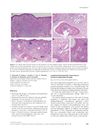
February 2009 in “Clinical and Experimental Dermatology”
1 citations
,
February 2009 in “Clinical and Experimental Dermatology” Hormone-replacement therapy improved a woman's skin condition known as lymphomatoid papulosis.
 January 2012 in “The Year book of dermatology”
 Many treatments for alopecia areata have inconsistent results; for under 10s, use minoxidil with a corticosteroid, and for over 10s, add ILC and consider diphenylcyclopropenone for widespread cases.
 36 citations
,
May 2011 in “Dermatologic therapy”
36 citations
,
May 2011 in “Dermatologic therapy” No treatments fully cure or prevent alopecia areata; some help but have side effects or need more research.
 20 citations
,
January 2000 in “Dermatologic Clinics”
20 citations
,
January 2000 in “Dermatologic Clinics” New psoriasis treatments are effective but come with side effects and risks.
February 2026 in “International Journal of Clinical Dermatology” Alopecia areata in children shows varied forms and treatment challenges, with some achieving full or partial hair regrowth.
5 citations
,
March 2023 in “PubMed” Advanced therapy medicinal products show promise for vitiligo treatment with fewer side effects, but affordability is a challenge.
 March 2014 in “Journal of The American Academy of Dermatology”
 Azathioprine may be an effective treatment for severe hair loss.
 14 citations
,
January 2014 in “Journal of Cutaneous and Aesthetic Surgery”
14 citations
,
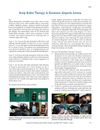
January 2014 in “Journal of Cutaneous and Aesthetic Surgery” Scalp Roller therapy helped improve hair growth in patients with hard-to-treat alopecia areata.
January 2026 in “Journal of Aesthetic Nursing” Combining PRP, light therapy, and microneedling can significantly regrow hair in severe alopecia cases.
2 citations
,
December 2015 in “DOAJ (DOAJ: Directory of Open Access Journals)” Targeted anticancer therapies often cause skin issues, affecting treatment adherence and quality of life.
Antimalarial agents are effective for LPP, and intralesional steroids are effective for FFA.
 26 citations
,
March 2014 in “Journal of cutaneous medicine and surgery”
26 citations
,
March 2014 in “Journal of cutaneous medicine and surgery” Topical vitamin D is useful for some skin conditions but not effective for others, and more research is needed.
May 2026 in “JDDG Journal der Deutschen Dermatologischen Gesellschaft” Use topical corticosteroids for alopecia areata, consider systemic treatments like corticosteroids or JAK inhibitors for severe cases, and inform about cosmetic options.
December 2025 in “Indian Dermatology Online Journal” Improved diagnosis and affordable topical treatments are essential for managing alopecia areata in India.