 16 citations
,
August 2003 in “Journal of The American Academy of Dermatology”
16 citations
,
August 2003 in “Journal of The American Academy of Dermatology” Nitrogen mustard was not very effective for hair regrowth in alopecia areata and has potential skin cancer risk.
 14 citations
,
June 2014 in “Journal of Pharmaceutical Sciences”
14 citations
,
June 2014 in “Journal of Pharmaceutical Sciences” Formulation P-08-016 better targets hair follicles for baldness treatment.
 4 citations
,
July 2008 in “British journal of dermatology/British journal of dermatology, Supplement”
4 citations
,
July 2008 in “British journal of dermatology/British journal of dermatology, Supplement” Poor response to topical immunotherapy in alopecia areata patients is linked to impaired cell responses.
 June 2023 in “International Journal of Clinical Research and Reports”
 Method B with propylene glycol is better for stable low-concentration DPCP solutions for alopecia areata.
 July 2021 in “International journal of dermatology, venereology and leprosy sciences”
 Diphenylcyclopropenone is more effective and has fewer side effects than dinitrochlorobenzene for treating alopecia areata.
 January 2015 in “Journal of evolution of medical and dental sciences”
 Topical tacrolimus is effective and safe for treating alopecia areata.
 101 citations
,
November 1992 in “Archives of Dermatology”
101 citations
,
November 1992 in “Archives of Dermatology” Steroids help hair regrowth, and minoxidil slows post-steroid hair loss, but effects are temporary.
 27 citations
,
May 2007 in “Archives of dermatological research”
27 citations
,
May 2007 in “Archives of dermatological research” Diphencyprone treatment increases CD8 lymphocytes in the scalp, which is associated with hair regrowth in alopecia areata patients.
 8 citations
,
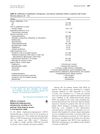
January 2018 in “Journal of the American Academy of Dermatology”
8 citations
,
January 2018 in “Journal of the American Academy of Dermatology” Diphenylcyclopropenone treatment helps prevent hair loss relapse in alopecia areata patients.
 8 citations
,
September 2004 in “Contact dermatitis”
8 citations
,
September 2004 in “Contact dermatitis” Avoiding dyed wigs and clothing improved severe allergic reactions in a woman treated with diphencyprone.
 72 citations
,
January 2001 in “Drugs”
72 citations
,
January 2001 in “Drugs” Minoxidil and finasteride treat hair loss; more research needed for other options.
15 citations
,
January 2015 in “Dermatitis” Topical immunotherapy is the best treatment for severe alopecia areata.
 July 2022 in “Singapore Medical Journal”
 Most children with alopecia areata improved with treatment, but those with more hair loss had worse outcomes.
May 2025 in “Pakistan Armed Forces Medical Journal” Dithranol is more effective than Tacrolimus for hair regrowth in alopecia areata.
 May 2017 in “IOSR journal of dental and medical sciences”
 Both Betasalic ointment and 5% minoxidil are effective and safe for treating Alopecia Areata.
 118 citations
,
April 1998 in “Dermatologic Clinics”
118 citations
,
April 1998 in “Dermatologic Clinics” Finasteride and minoxidil are effective for hair regrowth, while treatments for alopecia areata have varying success and continuous treatment is necessary.
63 citations
,
April 1985 in “Journal of the American Academy of Dermatology” Topical PUVA can cause temporary hair regrowth in some alopecia areata patients but doesn't change the long-term outcome.
 17 citations
,
December 2001 in “Dermatologic therapy”
17 citations
,
December 2001 in “Dermatologic therapy” Different treatments for alopecia areata have unpredictable results and varying success rates.
 2 citations
,
January 2023 in “Prague Medical Report”
2 citations
,
January 2023 in “Prague Medical Report” JAK inhibitors, like baricitinib, are effective and safe for treating alopecia areata.
 2 citations
,
February 2009 in “Journal of Evidence-Based Medicine”
2 citations
,
February 2009 in “Journal of Evidence-Based Medicine” No treatment showed significant long-term hair growth benefits for alopecia areata.
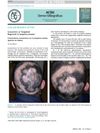 April 2016 in “Actas Dermo-Sifiliográficas”
 The document concludes that a unique target-like hair regrowth pattern in alopecia areata may be more common than thought and should be properly identified.
 218 citations
,
April 2012 in “British Journal of Dermatology”
218 citations
,
April 2012 in “British Journal of Dermatology” Guidelines suggest various treatments for alopecia areata, but leaving it untreated is also an option as 80% cases may recover on their own.
132 citations
,
November 1998 in “Journal of the American Academy of Dermatology” Topical sensitizers have mixed success in treating alopecia areata.
 85 citations
,
October 2012 in “Dermatologic Clinics”
85 citations
,
October 2012 in “Dermatologic Clinics” Alopecia Areata is an autoimmune condition often starting before age 20, with varied treatment success and a need for personalized treatment plans.
 71 citations
,
March 2009 in “Seminars in cutaneous medicine and surgery”
71 citations
,
March 2009 in “Seminars in cutaneous medicine and surgery” Alopecia areata can cause unpredictable hair loss, and treatments like corticosteroids and minoxidil may help but have varying side effects.
 49 citations
,
April 2000 in “Journal of The American Academy of Dermatology”
49 citations
,
April 2000 in “Journal of The American Academy of Dermatology” Despite progress in treatment, the exact cause of Alopecia areata is still unknown.
 49 citations
,
November 1992 in “Archives of dermatology”
49 citations
,
November 1992 in “Archives of dermatology” Different treatments for alopecia areata have varying success rates and side effects; intralesional steroids are most effective.
36 citations
,
May 2005 in “BMC dermatology” DPCP is effective for treating severe alopecia areata, but relapse is common.
33 citations
,
February 1990 in “Journal of the American Academy of Dermatology” Topical cyclosporine led to significant hair growth in some men with male pattern baldness.
20 citations
,
March 2021 in “Drug design, development and therapy” Topical immunotherapy can treat alopecia areata, but its effectiveness varies and the exact mechanism is unclear.