 48 citations
,
June 2013 in “Journal of Dermatological Science”
48 citations
,
June 2013 in “Journal of Dermatological Science” Valproic acid may help hair grow and could be a safe treatment for hair loss.
 24 citations
,
February 1987 in “Drugs”
24 citations
,
February 1987 in “Drugs” Minoxidil promotes hair regrowth, but more research needed for effectiveness and response factors.
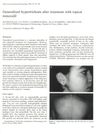 20 citations
,
March 1994 in “Clinical and Experimental Dermatology”
20 citations
,
March 1994 in “Clinical and Experimental Dermatology” Too much topical minoxidil can cause excessive hair growth, but stopping treatment reverses it.
 15 citations
,
September 2008 in “Archives of Dermatological Research”
15 citations
,
September 2008 in “Archives of Dermatological Research” Roxithromycin, an antibiotic, can increase hair growth and might be used as a treatment for hair loss.
 5 citations
,
July 2003 in “Drug Development Research”
5 citations
,
July 2003 in “Drug Development Research” Fluridil promotes hair growth safely and effectively for androgenetic alopecia.
 3 citations
,
October 1988 in “Clinics in Dermatology”
3 citations
,
October 1988 in “Clinics in Dermatology” Using 3% topical minoxidil can help women with hair loss, but more research is needed.
July 2024 in “Journal of Investigative Dermatology” Topical thyroid hormones may boost hair growth.
 July 2024 in “Pharmaceutical Development and Technology”
 Microsponges with rosemary oil significantly improve hair growth compared to regular rosemary oil and minoxidil.
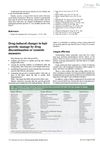 August 1994 in “Drugs & Therapy Perspectives”
 Some drugs can cause hair loss or growth, but hair usually returns to normal after stopping the drug.
 269 citations
,
August 2002 in “Journal of The American Academy of Dermatology”
269 citations
,
August 2002 in “Journal of The American Academy of Dermatology” 5% minoxidil works better for hair growth and density, with minor irritation.
73 citations
,
October 1986 in “Journal of the American Academy of Dermatology” Tretinoin may help hair growth and works better when combined with minoxidil.
 67 citations
,
March 1987 in “Journal of The American Academy of Dermatology”
67 citations
,
March 1987 in “Journal of The American Academy of Dermatology” Minoxidil helps hair growth and prevents hair loss in androgenetic alopecia. It's safe and effective.
 31 citations
,
January 1989 in “Clinical and Experimental Dermatology”
31 citations
,
January 1989 in “Clinical and Experimental Dermatology” The study tested a hair treatment and found it can help grow hair, but won't stop baldness. It's safe and works well, but needs more testing.
 24 citations
,
March 1987 in “Journal of The American Academy of Dermatology”
24 citations
,
March 1987 in “Journal of The American Academy of Dermatology” Minoxidil 1% and 2% best promote hair growth and may prevent hair loss.
 20 citations
,
November 1987 in “Archives of Dermatology”
20 citations
,
November 1987 in “Archives of Dermatology” The document concludes that topical minoxidil therapy is safe and effective in promoting hair growth for male pattern baldness.
 17 citations
,
April 2016 in “Journal of Investigative Dermatology”
17 citations
,
April 2016 in “Journal of Investigative Dermatology” KB2115 (eprotirome) can safely extend the hair growth phase without damaging cells or changing hair color.
 17 citations
,
January 2016 in “Dermatology research and practice”
17 citations
,
January 2016 in “Dermatology research and practice” Emu oil may slow down skin healing but increases hair growth in burn wounds.
 13 citations
,
November 2012 in “Journal of The European Academy of Dermatology and Venereology”
13 citations
,
November 2012 in “Journal of The European Academy of Dermatology and Venereology” Certain factors like allergies, nail problems, and hair loss patterns can predict how well someone with patchy hair loss will respond to skin cream treatments.
 11 citations
,
July 2020 in “Journal of Cosmetic Dermatology”
11 citations
,
July 2020 in “Journal of Cosmetic Dermatology” Sandalore® improves hair growth and quality in people with hair loss.
 11 citations
,
July 1988 in “International Journal of Dermatology”
11 citations
,
July 1988 in “International Journal of Dermatology” The study found that using 2% minoxidil solution can help grow hair and is safe.
 7 citations
,
November 1987 in “Pharmacotherapy: The Journal of Human Pharmacology and Drug Therapy”
7 citations
,
November 1987 in “Pharmacotherapy: The Journal of Human Pharmacology and Drug Therapy” Minoxidil can help thicken hair in some people with male pattern baldness, especially if used early and continuously.
 4 citations
,
March 2018 in “Daehan han'yi hag'hoeji/Journal of Korean medicine”
4 citations
,
March 2018 in “Daehan han'yi hag'hoeji/Journal of Korean medicine” Astragalus membranaceus helps regrow hair and reduce hair loss symptoms.
 1 citations
,
April 2017 in “Journal of Investigative Dermatology”
1 citations
,
April 2017 in “Journal of Investigative Dermatology” Cilostazol may help hair grow and could be a new treatment for hair loss.
 1 citations
,
April 2017 in “Journal of Investigative Dermatology”
1 citations
,
April 2017 in “Journal of Investigative Dermatology” SM04554 may increase hair growth as a topical treatment for androgenetic alopecia.
 April 2024 in “Anais brasileiros de dermatologia/Anais Brasileiros de Dermatologia”
 Using both minoxidil and biotin together increased hair growth more than using either one alone.
 April 2018 in “The journal of investigative dermatology/Journal of investigative dermatology”
 17β-estradiol may help hair growth by increasing cannabinoid receptor type 1.
 51 citations
,
May 2010 in “Journal of Drug Targeting”
51 citations
,
May 2010 in “Journal of Drug Targeting” Transcutol-containing vesicles improve minoxidil's skin penetration and hair growth promotion.
 June 2026 in “International Journal of Research in Dermatology”
 Indulekha Bringha serum is more effective for hair growth and reducing hair fall than Redensyl.
December 2022 in “Clinical and experimental dermatology and therapies” Adding the topical gel improved hair growth more than using minoxidil or finasteride alone.
 28 citations
,
March 2019 in “Journal of Dermatological Science”
28 citations
,
March 2019 in “Journal of Dermatological Science” The document concludes that while lab results for hair growth promotion are promising, human trials are needed and better testing methods should be developed.