 March 2025 in “Journal of Clinical Medicine”
 Frontal fibrosing alopecia in men is often misdiagnosed and needs better diagnostic criteria and treatment strategies.
67 citations
,
July 2011 in “Clinical, cosmetic and investigational dermatology” The document suggests a personalized treatment plan for alopecia areata based on the patient's age and hair loss severity, using a range of therapies ranked by effectiveness and safety.
24 citations
,
August 2020 in “JAMA dermatology” Persistent radiation-induced hair loss is dose-dependent, and treatments like topical minoxidil can be effective.
17 citations
,
November 2021 in “Journal of Cosmetic Dermatology” Combination therapies for androgenetic alopecia work best but can have significant side effects and costs.
 11 citations
,
January 2022 in “Journal der Deutschen Dermatologischen Gesellschaft”
11 citations
,
January 2022 in “Journal der Deutschen Dermatologischen Gesellschaft” Alopecia areata is a chronic condition causing hair loss, with new treatments targeting the immune system showing promise.
11 citations
,
March 2021 in “Cleveland Clinic Journal of Medicine” Treating hair loss in both men and women is effective and improves quality of life.
6 citations
,
January 2024 in “Journal of Biotechnology and Biomedicine” Atopic dermatitis needs personalized treatment using various therapies, starting with topical corticosteroids.
 6 citations
,
June 2022 in “Dermatologic Therapy”
6 citations
,
June 2022 in “Dermatologic Therapy” Honokiol from Magnolia plants may be beneficial for treating various skin conditions and promoting hair growth.
5 citations
,
July 2011 in “PubMed” Injected bimatoprost 0.03% solution did not effectively treat female-pattern hair loss.
 3 citations
,
April 2022 in “Clinical, Cosmetic and Investigational Dermatology”
3 citations
,
April 2022 in “Clinical, Cosmetic and Investigational Dermatology” Different methods, including stress management, healthy diet, supplements, and treatments like minoxidil, can help hair grow back after COVID-19 related hair loss.
 3 citations
,
June 2023 in “The journal of investigative dermatology/Journal of investigative dermatology”
3 citations
,
June 2023 in “The journal of investigative dermatology/Journal of investigative dermatology” The conclusion suggests that focusing on certain cellular pathways may improve the prevention and repair of hair loss caused by radiotherapy.
 2 citations
,
July 2023 in “Life”
2 citations
,
July 2023 in “Life” COVID-19 can cause temporary hair loss, which is commonly reversible with treatment.
 2 citations
,
October 2021 in “Exploration of targeted anti-tumor therapy”
2 citations
,
October 2021 in “Exploration of targeted anti-tumor therapy” Breast cancer hormone therapy can cause hair loss, which can be treated with daily applications of specific topical solutions like minoxidil and hydrocortisone butyrate.
 1 citations
,
July 2023 in “Journal of Clinical Medicine”
1 citations
,
July 2023 in “Journal of Clinical Medicine” Different causes of beard hair loss have various treatments, including medications, lifestyle changes, and procedures to stimulate hair growth.
 February 2026 in “Journal of Clinical Medicine”
 Minoxidil may help nails grow faster and stronger.
December 2025 in “Actas Dermo-Sifiliográficas” Use a combination of oral dutasteride, topical treatments, and hydroxychloroquine to manage frontal fibrosing alopecia.
October 2025 in “Annals of Medicine and Surgery” Retinoids may improve hair growth in androgenic alopecia when used with other treatments.
 December 2024 in “Journal of Clinical Medicine”
 Minoxidil shows promise for alopecia areata, but more research is needed before it can be recommended as a primary treatment.
 August 2024 in “Journal of Cosmetic Dermatology”
 Injectable treatments can effectively and safely improve hair growth in adults with androgenetic alopecia.
April 2024 in “Journal of clinical medicine” Effective treatment guidelines for frontal fibrosing alopecia are still unclear.
 January 2024 in “SAGE Open Medical Case Reports”
 Minoxidil can help increase facial hair growth.
 November 2023 in “International Journal of Trichology”
 Trichoscopic features help diagnose and assess female pattern hair loss severity, with inflammation playing a key role.
 July 2023 in “IntechOpen eBooks”
 New treatments for alopecia areata show promise, but more research is needed to confirm their effectiveness.
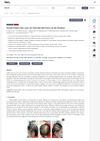
Different genes cause Female Pattern Hair Loss compared to male hair loss, and treatments vary, but more research is needed to understand it fully.
 May 2023 in “Journal of Clinical Medicine”
 New understanding and treatments for hair loss are improving, but more research is needed.
 August 2022 in “IntechOpen eBooks”
 The best treatment for Frontal Fibrosing Alopecia and Lichen Planopilaris combines oral and topical medications to reduce symptoms and stop hair loss.
January 2018 in “Dermatology Online Journal” Alopecia areata is hard to treat, but new targeted therapies show promise.
December 2025 in “International Journal of Molecular Sciences” Opophytum forskahlii seed oil may help with anti-aging and hair growth.
March 2023 in “Anais Brasileiros De Dermatologia” Topical minoxidil is the best-supported treatment for female hair loss, but personalized plans are needed.
March 2023 in “Journal of Cosmetic Dermatology” Low-dose oral minoxidil improved hair growth when topical treatments failed.