 March 2025 in “Canadian dermatology today.”
 Personalized treatment plans are crucial for effectively managing male pattern baldness.
 February 2025 in “Revista Eletrônica Acervo Saúde”
 Triamcinolone hexacetonide is effective but has side effects, while PRP and minoxidil are safer alternatives for treating alopecia areata.
January 2025 in “Anais Brasileiros de Dermatologia” Male pattern baldness worsens with age and can be treated with medications like minoxidil and finasteride, but side effects and personalized care are important.
 January 2025 in “Journal of Aesthetic Nursing”
 Microneedling works better when combined with other treatments.
Hair loss can be managed with medications, therapies, and lifestyle changes to prevent loss and encourage growth.
January 2025 in “MEDS Chinese Medicine” Combining Western and Traditional Chinese Medicine can improve treatment for Androgenetic Alopecia.
 September 2024 in “Ain Shams Medical Journal”
 Androgenic alopecia causes hair thinning, and treatments include minoxidil, finasteride, and light therapy.
 July 2024 in “Clinical Cosmetic and Investigational Dermatology”
 Non-drug therapies show promise for hair regrowth but need more research.
 April 2024 in “Expert opinion on investigational drugs”
 JAK inhibitors are safe and effective for treating moderate-to-severe alopecia areata.
 February 2024 in “Actas Dermo-Sifiliográficas”
 Dermatologists recommend oral dutasteride for male hair loss, low-dose oral minoxidil for female hair loss, and a multidisciplinary approach for young patients, with caution during pregnancy.
October 2023 in “University of Zadar Institutional Repository” Androgenic alopecia is hereditary hair loss treated with medications, therapies, and support.
 June 2023 in “International journal of science and research”
 PRP injections help hair regrowth safely but may need more research.
Tiny particles called extracellular vesicles show potential for improving skin health in cosmetics, but more research is needed to confirm their safety and effectiveness.
 April 2022 in “Medicina estética”
 Minoxidil is the only FDA-approved treatment for female hair loss, with other potential treatments needing more research for effectiveness.
January 2022 in “Clinical Cases in Dermatology” Hypothyroidism can cause hair loss, which is often reversible with treatment.
 October 2021 in “Cosmoderma”
 Hair loss can be managed with treatments like minoxidil, finasteride, and others, but there are still gaps in effectiveness and off-label usage is increasing.
 October 2021 in “Faculty Opinions – Post-Publication Peer Review of the Biomedical Literature”
 PRP is mostly effective and safe for treating certain types of hair loss, but more research is needed on the best use methods.
The review found that PRP is the most effective treatment for hair loss with few side effects.
 September 2020 in “British Journal of Dermatology”
 The document highlights advancements and findings in dermatology, including AI use, disease prevention, treatment efficacy, and the impact of conditions on patients' lives.
 July 2019 in “Facial Plastic Surgery Clinics of North America”
 New techniques and technologies are improving facial plastic and reconstructive surgery.
 May 2017 in “Journal of The American Academy of Dermatology”
 A woman with a skin disorder was found to have hepatitis C, which may be linked, and was safely treated with methotrexate.
November 2021 in “Arquivos Médicos dos Hospitais e da Faculdade de Ciências Médicas da Santa Casa de São Paulo” Microneedling with minoxidil, platelet-rich plasma, and mesotherapy improves hair growth significantly.
 November 2020 in “Postepy Dermatologii I Alergologii”
 Sulfotransferase SULT1A1 activity may predict minoxidil treatment success for hair loss.
September 2024 in “Dermatologica Sinica” Ponatinib can cause a rare skin reaction that resolves with topical treatment and temporary drug discontinuation.
 May 2024 in “Journal of cosmetic dermatology”
 "Dutasteride 0.5 mg daily is the most effective treatment for male hair loss."
 1 citations
,
May 2017 in “Journal of The American Academy of Dermatology”
1 citations
,
May 2017 in “Journal of The American Academy of Dermatology” The moisturizer with phytol improved skin texture and reduced fine wrinkles better than the moisturizer without it.
 April 2022 in “Research Square (Research Square)”
 The combination of laser and topical steroids is more effective for treating alopecia areata than topical steroids alone.
 24 citations
,
January 2018 in “Journal of Visualized Experiments”
24 citations
,
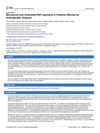
January 2018 in “Journal of Visualized Experiments” PRP injections effectively promote hair growth in androgenetic alopecia patients.
 8 citations
,
December 2018 in “Journal of Dermatological Treatment”
8 citations
,
December 2018 in “Journal of Dermatological Treatment” The PRP-like cosmetic with biomimetic peptides is potentially effective and safe for treating alopecia areata.
 August 2024 in “Scholars Journal of Applied Medical Sciences”
 Combining PRP therapy with minoxidil is the most effective treatment for hair loss in men.