 117 citations
,
March 2013 in “Journal of the European Academy of Dermatology and Venereology”
117 citations
,
March 2013 in “Journal of the European Academy of Dermatology and Venereology” No effective treatment for frontal fibrosing alopecia was found, but oral 5-alpha-reductase inhibitors had the best response; for lichen planopilaris, topical corticosteroids were commonly used but had a high relapse rate.
 9 citations
,
April 1986 in “Postgraduate Medicine”
9 citations
,
April 1986 in “Postgraduate Medicine” Hair loss has many causes and treatments, and losing some hair daily is normal; proper diagnosis is key, and minoxidil can help treat it.
 7 citations
,
January 2012 in “International Journal of Trichology”
7 citations
,
January 2012 in “International Journal of Trichology” Two siblings both had a rare case of alopecia areata at the same time.
 February 2013 in “Archives of Disease in Childhood: Education & Practice”
 Different types of alopecia in children require specific diagnoses and treatments.
 989 citations
,
August 2007 in “The Lancet”
989 citations
,
August 2007 in “The Lancet” PCOS is a complex condition with major health impacts, needing more research for better diagnosis and treatment.
 95 citations
,
November 2018 in “Australasian journal of dermatology”
95 citations
,
November 2018 in “Australasian journal of dermatology” Alopecia areata treatment varies, with no optimal method established yet.
 73 citations
,
March 2014 in “Journal of The American Academy of Dermatology”
73 citations
,
March 2014 in “Journal of The American Academy of Dermatology” Most dermatologic medications are safe during pregnancy and breastfeeding, but some should be avoided due to potential risks.
 72 citations
,
July 2008 in “Dermatologic Therapy”
72 citations
,
July 2008 in “Dermatologic Therapy” CCCA is a scarring hair loss condition mainly in African descent women, possibly caused by genetics and hairstyling, treated with gentle hair care and medications.
71 citations
,
December 2013 in “The journal of investigative dermatology. Symposium proceedings/The Journal of investigative dermatology symposium proceedings” There are no FDA-approved treatments for Alopecia Areata, and current options have varying success and relapse rates.
56 citations
,
October 2016 in “Journal of dermatological science” New insights into the causes and treatments for the autoimmune hair loss condition Alopecia areata have been made.
44 citations
,
April 2017 in “International Journal of Dermatology” No treatment is completely effective for alopecia totalis and alopecia universalis.
33 citations
,
January 2018 in “Blood” Ruxolitinib helps protect skin stem cells and keeps skin healthy in mice with skin GVHD.
 33 citations
,
January 2015 in “Journal of Cosmetic Dermatology”
33 citations
,
January 2015 in “Journal of Cosmetic Dermatology” Familial frontal fibrosing alopecia affects premenopausal women too, and early diagnosis is important, but no proven medication exists yet.
 33 citations
,
November 2014 in “Military Medicine”
33 citations
,
November 2014 in “Military Medicine” The U.S. military's teledermatology program was effective in providing fast and successful skin care in remote locations, preventing unnecessary evacuations.
 20 citations
,
January 2000 in “Dermatologic Clinics”
20 citations
,
January 2000 in “Dermatologic Clinics” New psoriasis treatments are effective but come with side effects and risks.
 16 citations
,
July 2002 in “Australasian Journal of Dermatology”
16 citations
,
July 2002 in “Australasian Journal of Dermatology” A woman with lupus experienced skin death due to a blood clotting disorder after stopping a blood thinner, which healed with treatment.
14 citations
,
January 2015 in “Indian journal of dermatology, venereology, and leprology” Methylprednisolone infusions can help some people with severe alopecia regrow hair.
 14 citations
,
January 2014 in “Journal of Cutaneous and Aesthetic Surgery”
14 citations
,
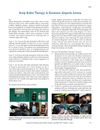
January 2014 in “Journal of Cutaneous and Aesthetic Surgery” Scalp Roller therapy helped improve hair growth in patients with hard-to-treat alopecia areata.
 12 citations
,
March 2004 in “International Journal of Dermatology”
12 citations
,
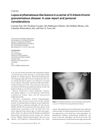
March 2004 in “International Journal of Dermatology” A woman with X-linked chronic granulomatous disease developed lupus-like skin lesions, improved with treatment, suggesting a unique skin condition in carriers.
8 citations
,
February 2022 in “Frontiers in Medicine” COVID-19 may trigger severe skin flare-ups in people with autoimmune conditions like lupus.
8 citations
,
August 2016 in “Journal of Cutaneous Pathology” Scalp biopsies are crucial for diagnosing hair loss causes in cutaneous lymphoma patients.
 7 citations
,
September 2013 in “Current Dermatology Reports”
7 citations
,
September 2013 in “Current Dermatology Reports” Some skin medications are safe for pregnant women, but others pose risks or should not be used.
 6 citations
,
November 1988 in “Journal of the American Academy of Dermatology”
6 citations
,
November 1988 in “Journal of the American Academy of Dermatology” The document concludes that hair analysis is not good for assessing nutrition but can detect long-term heavy metal exposure.
 5 citations
,
January 2021 in “Inflammatory Bowel Diseases”
5 citations
,
January 2021 in “Inflammatory Bowel Diseases” Tofacitinib improved ulcerative colitis, skin ulcers, and hair loss in a patient who didn't respond well to other treatments.
5 citations
,
January 2015 in “Saudi journal for health sciences” Alopecia areata in Taif is common, mainly immune-related, and best treated with topical corticosteroids and vitamins.
5 citations
,
July 2007 in “PubMed” Combining oral prednisolone and topical minoxidil effectively reduces hair loss and promotes regrowth in alopecia areata.
 4 citations
,
September 2014 in “Elsevier eBooks”
4 citations
,
September 2014 in “Elsevier eBooks” Use some skin medications with caution during pregnancy; avoid strong steroids, certain eczema treatments, and systemic retinoids, but many topical treatments and nasal sprays are safe.
4 citations
,
May 2012 in “BMJ Case Reports” A Nigerian baby with neonatal lupus got better with treatment by 6 months.
 3 citations
,
May 2010 in “Nursing Standard”
3 citations
,
May 2010 in “Nursing Standard” Treatments for autoimmune hair loss have limited success and often relapse, and emotional support is crucial for those affected.
2 citations
,
September 2019 Alopecia areata treatments should be personalized, using options like steroids, JAK inhibitors, and other therapies based on individual needs.