 January 2015 in “Turkiye Klinikleri Journal of Dermatology”
 Peripilar keratin casts are a helpful sign for diagnosing traction alopecia.
January 2023 in “Springer eBooks”  16 citations
,
May 2003 in “International Journal of Dermatology”
16 citations
,
May 2003 in “International Journal of Dermatology” Trichotillomania, a disorder where people compulsively pull out their own hair, often starts around age 12, is more common in adult females, and can be treated with behavior therapy and medication.
96 citations
,
February 2002 in “Journal of the American Academy of Dermatology” Pseudofolliculitis barbae is a chronic skin condition affecting mainly African American and Hispanic individuals, caused by shaving tightly curled hair, and managed by prevention and treatment but not curable.
April 2021 in “The journal of investigative dermatology/Journal of investigative dermatology” Lichen planopilaris in men often affects the scalp, eyebrows, arms, legs, and beard, with many having family members with hair loss.
 7 citations
,
June 1967 in “Journal of Investigative Dermatology”
7 citations
,
June 1967 in “Journal of Investigative Dermatology” Plucking hairs in a certain way can result in intact hair roots, not related to baldness.
Benign tumors from hair follicles can look like other skin cancers but have distinct features under dermoscopy.
11 citations
,
May 2010 in “Pigment Cell & Melanoma Research” Two genes, Tabby and Ticked, determine cat coat patterns.
 22 citations
,
July 2012 in “International Journal of Trichology”
22 citations
,
July 2012 in “International Journal of Trichology” Miniaturized hairs stay connected to muscle in alopecia areata, allowing possible regrowth, but not in androgenetic alopecia.
Loss of the p53 gene alone causes tumors, and losing both p53 and Rb genes speeds up aggressive skin cancer.
109 citations
,
June 2000 in “Development” Notch pathway activation causes abnormal hair layer development.
 November 2023 in “Skin appendage disorders”
 The article discusses ways to diagnose and treat hair loss in young people.
 February 2026 in “Medical Science and Discovery”
 Early diagnosis and comprehensive treatment can significantly improve trichotillomania in children.
36 citations
,
January 2016 in “The journal of investigative dermatology/Journal of investigative dermatology” The document concludes that understanding genetic mutations in the PI3K-AKT-mTOR pathway can lead to better diagnosis and treatment for certain genetic skin disorders.
 37 citations
,
October 2015 in “Anais Brasileiros de Dermatologia”
37 citations
,
October 2015 in “Anais Brasileiros de Dermatologia” Lichen planopilaris mostly affects women with fair skin and can look different on each person, needing early treatment to prevent hair loss.
July 2026 in “Dermatology Reports” The gel reduced folliculitis symptoms and was safe and well-received.
 1 citations
,
October 2019 in “Proceedings Mulawarman Pharmaceuticals Conference”
1 citations
,
October 2019 in “Proceedings Mulawarman Pharmaceuticals Conference” Aloe vera serum helps hair growth but doesn't protect from the sun.
 August 2023 in “The journal of investigative dermatology/Journal of investigative dermatology”
 Ixekizumab may be an effective first treatment for a rare skin condition causing hair loss.
June 2025 in “Dermatologic Surgery” Surgery can effectively treat severe eyelid turning out caused by a rare skin disorder.
 March 2026 in “Zenodo (CERN European Organization for Nuclear Research)”
 The herbal gel effectively treats folliculitis with fewer side effects.
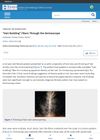 January 2018 in “Indian Dermatology Online Journal”
 Trichoscopy can help tell the difference between artificial hair fibers and other scalp artifacts.
 26 citations
,
December 2006 in “Endocrinology”
26 citations
,
December 2006 in “Endocrinology” A cream with a specific hormone blocker increases hair growth in mice.
4 citations
,
January 2025 in “JAAD reviews.” Janus kinase inhibitors are promising for treating scarring alopecia, but more research is needed for safety and personalized treatments.
20 citations
,
August 2015 in “Behaviour change” Cognitions significantly influence Trichotillomania, suggesting cognitive therapies could help.
18 citations
,
September 1994 in “Clinical and Experimental Dermatology” Localized trichorrhexis nodosa is a hair condition where hair becomes fragile and breaks easily due to damage.
December 2012 in “http://isrctn.org/>”  December 2012 in “Faculty Opinions – Post-Publication Peer Review of the Biomedical Literature”
 The conclusion is that the dermal papilla is crucial for hair follicle regrowth, and hair follicles undergo significant structural changes in addition to cell division during regeneration.
29 citations
,
April 1997 in “Developmental Dynamics” Trypsin slows hair growth and affects color by causing cell death in hair follicles.
2 citations
,
January 2015 119 citations
,
February 2009 in “Neuroscience & Biobehavioral Reviews” Trichotillomania involves hair pulling and can be treated with therapy and medication.