July 2024 in “Journal of Investigative Dermatology” INTASYL is a promising, adaptable RNAi technology for treating skin cancers.
 51 citations
,
March 2006 in “Bioorganic & Medicinal Chemistry”
51 citations
,
March 2006 in “Bioorganic & Medicinal Chemistry” Newly made nicotinamide compounds could potentially treat cancer.
May 2025 in “International Journal of Trichology” Topical tofacitinib may help regrow hair in children with alopecia totalis.
1 citations
,
June 2025 in “Cell Biochemistry and Biophysics” 
The document concluded that certain compounds might strongly bind to and potentially inhibit a key SARS-CoV-2 protein, but further testing is needed.
September 2025 in “Journal of the American Academy of Dermatology” Ritlecitinib may help treat alopecia areata by protecting hair follicles.
April 2025 in “The Journal of Dermatology” Janus kinase inhibitors may help treat cutaneous T-cell lymphoma, but more research is needed.
21 citations
,
November 2018 in “Journal of the European Academy of Dermatology and Venereology” The combination of encorafenib and binimetinib caused few skin issues.
 April 2025 in “BMC Immunology”
 Targeting SIRT1 with antisense oligonucleotides could be a promising treatment for hair loss.
 68 citations
,
September 2003 in “British Journal of Dermatology”
68 citations
,
September 2003 in “British Journal of Dermatology” Shrinking skin cancer increases the chance of cancer in nearby lymph nodes.
 July 2024 in “Medical alphabet”
 JAK inhibitors like tofacitinib may effectively treat alopecia in children without major side effects.

The document explains how certain drugs block hormones to treat cancers like breast and prostate cancer.
149 citations
,
January 2015 in “Journal of the American Academy of Dermatology” Targeted cancer therapies often cause skin side effects, needing dermatologist care.
 21 citations
,
May 1989 in “Advanced Drug Delivery Reviews”
21 citations
,
May 1989 in “Advanced Drug Delivery Reviews” Liposomes show promise in cancer treatment by delivering drugs with less toxicity and improved effectiveness.
 3 citations
,
May 2023 in “International Journal of Molecular Sciences”
3 citations
,
May 2023 in “International Journal of Molecular Sciences” A new treatment using nanoparticles can effectively prevent and reduce hair loss caused by chemotherapy.
105 citations
,
April 2014 in “Trends in Pharmacological Sciences” Targeting the Smoothened receptor shows promise for treating certain cancers.
 April 2018 in “Journal of Investigative Dermatology”
 BLZ-100 is safe for use in skin cancer surgery and may help identify cancerous tissue.
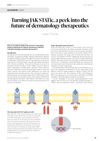 August 2024 in “New Zealand Medical Student Journal”
 JAK inhibitors show promise for treating skin diseases effectively and safely.
 November 2020 in “Journal of The American Academy of Dermatology”
 Certain immune markers may predict chemotherapy response in mesothelioma, and nivolumab is a tolerable and effective treatment for advanced non-small cell lung cancer.
505 citations
,
October 2011 in “Journal of clinical oncology” MK-2206 was safe and effectively blocked AKT signaling in cancer patients, warranting more trials.
2 citations
,
May 2016 in “Journal of Clinical Oncology” Topical calcitriol may reduce hair loss from chemotherapy at higher doses.
January 2024 in “Scripta Medica” Nanoparticle delivery can reduce side effects of the cancer drug doxorubicin.
39 citations
,
August 2022 in “Pharmaceutics” Combining letrozole and quercetin in spanlastics may improve breast cancer treatment.
 13 citations
,
November 2021 in “Pediatric Dermatology”
13 citations
,
November 2021 in “Pediatric Dermatology” Tofacitinib taken by mouth helps treat hair loss in children.
4 citations
,
June 2024 in “British Journal of Dermatology” EGFRi/MEKi treatments cause hair follicles to lose some immune protection, leading to inflammation.
16 citations
,
September 1999 in “Journal of Investigative Dermatology Symposium Proceedings”  January 2016 in “Chemistry & Industry”
 Two drugs, tofacitinib and ruxolitinib, may help regrow hair by activating hair follicles.
2 citations
,
February 2025 in “Free Radical Biology and Medicine” Blocking S100A8 can reduce chemotherapy-induced hair loss.
 April 2016 in “Journal of Investigative Dermatology”
 Mefloquine, an antimalarial drug, is effective in killing melanoma cells resistant to other treatments by causing lethal stress in the cells.
 26 citations
,
October 2011 in “International Journal of Biological Macromolecules”
26 citations
,
October 2011 in “International Journal of Biological Macromolecules” Some newly made compounds are promising for treating enlarged prostate, hair loss, viruses, and prostate cancer, and might be better than current drugs.