 January 2024 in “Archives of pharmacy practice”
 The skin is vital for protection, temperature control, fluid balance, immunity, and sensing, with damage affecting daily life and mental health.
Phototherapy with red or blue light can safely improve hair growth and scalp health in androgenetic alopecia.
 January 2018 in “Springer eBooks”
 Men and women need different facial rejuvenation treatments due to distinct aging processes and anatomical differences.
 1113 citations
,
August 1999 in “The New England Journal of Medicine”
1113 citations
,
August 1999 in “The New England Journal of Medicine” Hair follicle biology advancements may lead to better hair growth disorder treatments.
 391 citations
,
January 2010 in “Journal of The American Academy of Dermatology”
391 citations
,
January 2010 in “Journal of The American Academy of Dermatology” Half of people with Alopecia Areata may see hair regrowth within a year without treatment, but recovery is unpredictable.
 304 citations
,
July 2006 in “Journal of The American Academy of Dermatology”
304 citations
,
July 2006 in “Journal of The American Academy of Dermatology” Videodermoscopy improves diagnosis of hair and scalp disorders and may reduce scalp biopsies.
 295 citations
,
May 2016 in “Journal of the American Academy of Dermatology”
295 citations
,
May 2016 in “Journal of the American Academy of Dermatology” Alopecia areata, a common autoimmune hair loss condition, often runs in families.
 290 citations
,
December 2017 in “Journal of The American Academy of Dermatology”
290 citations
,
December 2017 in “Journal of The American Academy of Dermatology” Alopecia areata is an autoimmune condition causing hair loss, influenced by genetics, stress, and diet, and may be prevented by a high soy oil diet.
 196 citations
,
September 2016 in “JCI insight”
196 citations
,
September 2016 in “JCI insight” Ruxolitinib effectively regrows hair in most patients with severe hair loss.
 185 citations
,
August 2005 in “Autoimmunity Reviews”
185 citations
,
August 2005 in “Autoimmunity Reviews” Alopecia areata is an autoimmune condition causing hair loss due to the immune system attacking hair follicles, often influenced by genetics and stress.
 148 citations
,
December 2018 in “Journal of autoimmunity”
148 citations
,
December 2018 in “Journal of autoimmunity” Alopecia areata is an autoimmune disease causing patchy hair loss, often with other autoimmune disorders, but its exact causes are unknown.
 144 citations
,
July 2015 in “Clinical, Cosmetic and Investigational Dermatology”
144 citations
,
July 2015 in “Clinical, Cosmetic and Investigational Dermatology” Alopecia areata is a common autoimmune disease affecting about 2% of people, causing significant disability and often associated with mental health issues and other autoimmune conditions.
 143 citations
,
October 2008 in “Journal of The American Academy of Dermatology”
143 citations
,
October 2008 in “Journal of The American Academy of Dermatology” Comma hairs are a specific sign of tinea capitis when viewed with videodermatoscopy.
 139 citations
,
November 2016 in “Journal of the American Academy of Dermatology”
139 citations
,
November 2016 in “Journal of the American Academy of Dermatology” Tofacitinib helped regrow hair in most adolescents with alopecia areata, but more research is needed.
 109 citations
,
May 2011 in “Dermatologic Therapy”
109 citations
,
May 2011 in “Dermatologic Therapy” Alopecia areata is a type of hair loss that can lead to complete baldness, often associated with other autoimmune conditions, and half of the cases may see hair return within a year.
 99 citations
,
July 2017 in “Clinical Reviews in Allergy & Immunology”
99 citations
,
July 2017 in “Clinical Reviews in Allergy & Immunology” New treatments for Alopecia Areata show promise but need to be more effective and affordable.
 89 citations
,
March 2018 in “The Journal of Dermatology”
89 citations
,
March 2018 in “The Journal of Dermatology” Trichoscopy helps diagnose and monitor alopecia areata by looking at a combination of specific hair and scalp features.
 89 citations
,
October 1996 in “Dermatologic Clinics”
89 citations
,
October 1996 in “Dermatologic Clinics” Alopecia areata is likely caused by a combination of genetic factors and immune system dysfunction, and may represent different diseases with various causes.
 86 citations
,
July 2020 in “International Journal of Molecular Sciences”
86 citations
,
July 2020 in “International Journal of Molecular Sciences” Activating the Wnt/β-catenin pathway could lead to new hair loss treatments.
 81 citations
,
July 2011 in “Lasers in Medical Science”
81 citations
,
July 2011 in “Lasers in Medical Science” The Lexington LaserComb helped regrow hair in mice with a condition similar to human hair loss.
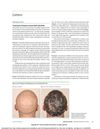 78 citations
,
March 2017 in “JAMA Dermatology”
78 citations
,
March 2017 in “JAMA Dermatology” Tofacitinib helped regrow hair in people with severe alopecia, but side effects occurred and benefits stopped after treatment ended.
 77 citations
,
June 2017 in “Advances in Therapy”
77 citations
,
June 2017 in “Advances in Therapy” New treatments for Alopecia Areata, like JAK inhibitors, show promise for hair regrowth and are likely to change future treatment approaches.
 72 citations
,
July 2014 in “American journal of clinical dermatology”
72 citations
,
July 2014 in “American journal of clinical dermatology” Some treatments, like corticosteroids and sensitizing agents, can help with alopecia areata, but more high-quality research is needed.
 66 citations
,
December 2018 in “Dermatology”
66 citations
,
December 2018 in “Dermatology” Both ruxolitinib and tofacitinib are effective and safe for treating severe alopecia areata, but relapses are common.
 64 citations
,
November 2008 in “Journal of The American Academy of Dermatology”
64 citations
,
November 2008 in “Journal of The American Academy of Dermatology” A new type of rapid hair loss called ADTA usually gets better on its own within 6 months.
 62 citations
,
October 2016 in “Dermatologic Therapy”
62 citations
,
October 2016 in “Dermatologic Therapy” PRP more effective than minoxidil 5% for treating alopecia areata.
 62 citations
,
June 2015 in “The Journal of Dermatology”
62 citations
,
June 2015 in “The Journal of Dermatology” People with alopecia areata have more Th17 cells and fewer Treg cells, which may be key to the condition's development.
 61 citations
,
September 2010 in “Genomics”
61 citations
,
September 2010 in “Genomics” The study found that immune responses disrupt hair growth cycles, causing hair loss in alopecia areata.
 60 citations
,
September 2015 in “Expert Review of Clinical Immunology”
60 citations
,
September 2015 in “Expert Review of Clinical Immunology” Lymphocytes, especially CD8+ T cells, play a key role in causing alopecia areata, and targeting them may lead to new treatments.
 59 citations
,
September 2008 in “Experimental dermatology”
59 citations
,
September 2008 in “Experimental dermatology” Both mouse and rat models are effective for testing alopecia areata treatments.