 1 citations
,
May 2023 in “Journal of molecular evolution”
1 citations
,
May 2023 in “Journal of molecular evolution” Pangolins have lost some skin-related genes, but kept others, leading to their unique scales and skin features.
 May 2026 in “Journal of Skin and Sexually Transmitted Diseases”
 Upadacitinib effectively treats skin conditions like eczema and psoriasis and is becoming more widely used and affordable.
 May 2026 in “The EMBO Journal”
 Skin aging can be slowed by targeting cells, hormones, and the microbiome.
 March 2026 in “American Journal of Clinical Dermatology”
 Cancer survivors need better skin care to improve their quality of life.
 March 2026 in “Food, Nutrition and Health.”
 Collagen peptides may help reduce skin aging by improving elasticity and hydration.
 January 2026 in “Quality in Sport”
 Isotretinoin can safely and effectively control acne with proper risk management and monitoring.

Menopause-related skin changes may increase fungal infections and inflammation.

Polarized microscopy helps identify hair irregularities in genetic disorders.
 November 2024 in “International Journal of Research and Review”
 Nanotechnology improves cosmetics by enhancing ingredient delivery and effectiveness.
 September 2024 in “The Professional Medical Journal”
 Infectious skin diseases like scabies and fungal infections are common but treatable in Lahore, especially in summer.
 September 2023 in “SKIN The Journal of Cutaneous Medicine”
 Talquetamab may cause hair loss and skin issues.
 May 2023 in “International journal of pharmaceutical sciences and medicine”
 Sunflower oil was found to promote hair growth in mice with hormone-induced hair loss.
 March 2023 in “Clinical, cosmetic and investigational dermatology”
 IL-33 is linked to hair follicle damage in psoriasis and could be a treatment target for hair loss in this condition.
 January 2023 in “Postępy Dermatologii i Alergologii”
 Azelaic acid treats acne, rosacea, and hyperpigmentation with minimal side effects.
 January 2023 in “International Journal of Research Publication and Reviews”
 Some herbal ingredients like linalool and tea tree oil have anti-dandruff properties and are safe for use in shampoos.
 November 2021 in “Journal of pharmaceutical research international”
 Herbal depilatories are safer and cause fewer side effects than chemical ones for hair removal.

Silk sericin dressing with collagen heals wounds faster and improves scar quality better than Bactigras.
 November 2020 in “Elsevier eBooks”
 Antiandrogens and androgen inhibitors like spironolactone, finasteride, and dutasteride can treat hair loss and skin conditions, but they have risks and side effects, including potential harm to pregnant women and risks of cancer and heart issues. Herbal remedies also have antiandrogenic effects but lack safety validation.

Human hair keratins can self-assemble and support cell growth, useful for biomedical applications.
 January 2019 in “Przegląd Dermatologiczny”
 Chemotherapy with docetaxel can cause painful nail and skin side effects that may lead to stopping treatment.
 January 2019 in “Springer eBooks”
 Some chemicals and drugs can cause hair loss, which usually grows back after stopping the treatment.
 July 2018 in “Elsevier eBooks”
 Some drugs can cause reversible hair loss, but certain chemotherapy drugs may lead to permanent hair loss; drugs can also change hair color and texture.

Proretinal nanoparticles are a safe and effective way to deliver retinal to the skin.
 January 2017 in “Clinical approaches and procedures in cosmetic dermatology”
 Retinoids are effective for skin conditions like severe acne and psoriasis but must be used with caution due to potential side effects and risks during pregnancy.
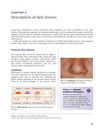
The document explains different types of skin lesions and their characteristics, causes, and related conditions.
 December 2016 in “British Journal of Dermatology”
 The meeting highlighted the importance of genetic testing and multidisciplinary approaches in pediatric dermatology.
 May 2016 in “Research opinions in animal & veterinary sciences”
 Maternal aspartame consumption during pregnancy leads to skin damage and higher apoptosis in newborn rat offspring.
Forensic hair analysis for drugs is now more reliable and accurate.

Keratin hydrogels from human hair show promise for tissue engineering and regenerative medicine.
 July 2011 in “British Journal of Dermatology”
 Dermatologists give better information on pathology forms, hypersensitivity vasculitis is a common skin issue, misdiagnoses can occur, and various skin conditions are linked to loss of elastin or genetic factors.