23 citations
,
August 1989 in “American Journal of Veterinary Research” High selenium diets in pigs cause health issues like weight loss, hair loss, and nerve damage.
14 citations
,
June 2009 in “Journal of veterinary internal medicine” High doses of albendazole can be deadly for alpacas.
5 citations
,
August 2021 in “The Journal of the American Animal Hospital Association/Journal of the American Animal Hospital Association” Accidental minoxidil exposure can cause serious illness or death in pets.
1 citations
,
October 2024 in “Veterinary Sciences” Hemodialysis successfully treated a cat with minoxidil poisoning.
January 2026 in “International Journal of Dermatology” Minoxidil can be toxic to pets, especially cats, and public awareness is low.
 67 citations
,
January 2007 in “Environmental health perspectives”
67 citations
,
January 2007 in “Environmental health perspectives” A woman's health issues were caused by arsenic poisoning from kelp supplements.
 5 citations
,
January 2018 in “Javma-journal of The American Veterinary Medical Association”
5 citations
,
January 2018 in “Javma-journal of The American Veterinary Medical Association” A dog fully recovered from minoxidil poisoning after receiving treatment.
July 2025 in “Journal of Investigative Dermatology” Topical minoxidil is dangerous for cats and dogs.
 1 citations
,
January 2007 in “The Kitakanto Medical Journal”
1 citations
,
January 2007 in “The Kitakanto Medical Journal” Effective treatment for UFT overdose includes antibiotics and G-CSF, with bone marrow biopsy and transfusion as backup options.
 2 citations
,
May 2022 in “Cutis”
2 citations
,
May 2022 in “Cutis” Taking too much Albendazole can cause hair loss and other serious side effects.
 1 citations
,
February 2022 in “Veterinární Medicína”
1 citations
,
February 2022 in “Veterinární Medicína” A cat fully recovered from minoxidil poisoning with specific treatments.

Taking too much Albendazole can cause hair loss and other serious side effects.
 May 2025 in “Birth Defects Research”
 YWS1903 is safe for pregnant rats at moderate doses but causes fetal issues at high doses.
 December 2024 in “Journal of Applied Toxicology”
 High doses of dihydroartemisinin caused reversible liver toxicity in rats, with females more affected than males.
 November 2023 in “The Bovine practitioner”
 A bull got very sick and had to be put down after eating hairy vetch for months.
 9 citations
,
May 2001 in “Journal of the American Veterinary Medical Association”
9 citations
,
May 2001 in “Journal of the American Veterinary Medical Association” A cat's hyperactivity and hair loss were caused by eating valproic acid but improved after stopping access to the drug.
19 citations
,
July 2004 in “Journal of Medical Primatology” Infant baboons suffered from zinc poisoning due to poor cage conditions.
 5 citations
,
October 2013 in “Veterinary Clinics of North America: Equine Practice”
5 citations
,
October 2013 in “Veterinary Clinics of North America: Equine Practice” Some horses lose hair without inflammation or itching due to various conditions, and while mainly a cosmetic issue, diagnosis requires examination and biopsies, and breeding is not advised if it's hereditary.
60 citations
,
July 1997 in “Journal of Wildlife Diseases” Young northern elephant seals with skin disease were smaller, had nutrient imbalances, and higher PCB levels, possibly linked to the disease.
The chapter explains causes of hair loss and excessive hair growth in animals.
July 2024 in “Journal of Investigative Dermatology” PH-762 shows promise in treating skin cancer by effectively targeting and silencing PD-1 in tumors with minimal side effects.
 15 citations
,
October 2010 in “Archives of Toxicology”
15 citations
,
October 2010 in “Archives of Toxicology” A yeast-based test can detect the steroid methyltestosterone in urine longer than traditional methods.
 9 citations
,
January 2008 in “Medical mycology”
9 citations
,
January 2008 in “Medical mycology” A dog's skin infection caused by the fungus Chaetomium globosum was effectively treated with ketoconazole.
June 2026 in “The Russian Archives of Internal Medicine” Thallium poisoning can be treated successfully with the right antidote.
 June 2026 in “Scholarly review .”
 Endocrine-disrupting chemicals cause irreversible harm to children's development, increasing disease risk.
 September 2016 in “Más dermatología”
 Postpartum hair loss usually stops within 4-6 months.
 January 2024 in “Current research in toxicology”
 Thallium is highly toxic, causing severe health issues, and Prussian blue is the best antidote.
 10 citations
,
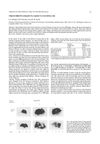
May 1986 in “Experientia”
10 citations
,
May 1986 in “Experientia” Too much zinc in the diet can cause hair loss and color change in young mice by reducing copper in the body.
 1 citations
,
February 2022 in “Case reports in endocrinology”
1 citations
,
February 2022 in “Case reports in endocrinology” An unusual growth of Leydig cells in a woman's ovaries caused her excessive hair growth, which was treated successfully with surgery.
 January 2008 in “Springer eBooks”
 Thyroid hormone may be useful for treating various skin conditions and needs more research.