 May 2020 in “Research Square (Research Square)”
 Trichilemmal carcinoma shares genetic traits with other skin cancers, suggesting similar treatment options.
 March 2025 in “American Journal of Medical Genetics Part A”
 A rare genetic variant linked to skin cysts was found in blood DNA, suggesting its role in cyst formation.
12 citations
,
June 2016 in “Clinical and experimental dermatology” A new genetic mutation in the TRPV3 gene causes Olmsted-like syndrome in a Mongolian family.
24 citations
,
December 2013 in “Archives of Dermatological Research” 33 citations
,
September 2017 in “Journal of Investigative Dermatology” A mutation in the KRT25 gene causes woolly hair and hair loss.
 January 2008 in “Journal of Clinical Dermatology”
 Integrin alpha-6 and p63 proteins may play a role in hair loss and are important for hair growth and maintenance.
324 citations
,
May 2002 in “Oncogene” June 2026 in “British Journal of Dermatology” A rare genetic mutation in the EGFR gene caused severe skin issues and other health problems in a Slovakian girl, who is now 4 years old and receiving care.
 49 citations
,
October 2009 in “Cancer research”
49 citations
,
October 2009 in “Cancer research” Disrupting Stat3 in hair follicle stem cells greatly reduces skin tumor formation.
62 citations
,
March 2017 in “Journal of Investigative Dermatology” Mutations in the ACTB gene cause Becker’s nevi and may lead to muscle issues in Becker’s nevus syndrome.
 1 citations
,
May 2022 in “Голова и шея.”
1 citations
,
May 2022 in “Голова и шея.” p53 protein may help protect or kill neurons under stress.
5 citations
,
July 1996 in “Journal of Cutaneous Medicine and Surgery” TTD patients don't have a higher skin cancer risk because their main issue is with transcription, not DNA repair.
1 citations
,
October 2023 in “Frontiers in Oncology” Genomic profiling for myeloid cancers can find important inherited mutations, but it's challenging when these mutations aren't related to the patient's symptoms.
June 2010 in “Chinese Journal of Dermatology” A new gene mutation is linked to monilethrix in the studied family.
18 citations
,
January 2015 in “Experimental Dermatology” New mutations in KRT83 and KRT86 are linked to the hair disorder monilethrix.
9 citations
,
November 2007 in “Blood” TMPRSS6 is crucial for controlling hepcidin and normal iron absorption.
A new mutation in the TRPS1 gene caused Trichorhinophalangeal syndrome in a 17-year-old, highlighting the need for genetic testing.
 3 citations
,
January 2008 in “Endocrine journal”
3 citations
,
January 2008 in “Endocrine journal” A new mutation linked to partial Androgen Insensitivity Syndrome and prostate cancer was found in a patient unhappy with their female gender assignment.
July 2025 in “Journal of Investigative Dermatology” Complex basal cell carcinomas need personalized treatment due to unique genetic mutations.
19 citations
,
May 2016 in “Biology Direct” A new method, iSiMPRe, effectively identifies key protein regions in cancer genes, highlighting potential drug targets.
 11 citations
,
March 2014 in “Journal of Investigative Dermatology”
11 citations
,
March 2014 in “Journal of Investigative Dermatology” Genetic mutation and carcinogen treatment are both needed for skin cancer to develop in these specific mice.
11 citations
,
November 2019 in “The FASEB Journal” A mutation in the MAP2 gene causes reduced hair follicle density, leading to hairlessness.
3 citations
,
January 2011 in “生物医学研究杂志:英文版” A new mutation in the KRT86 gene causes monilethrix in a Han family.
July 2025 in “Clinical Case Reports” A new genetic mutation in the TRPS1 gene causes Trichorhinophalangeal Syndrome, leading to specific hair, dental, and bone issues.
8 citations
,
April 2016 in “Experimental Dermatology” The type of tumor suppressor affects the form of skin cancer from hair follicle stem cells.
September 2019 in “The journal of investigative dermatology/Journal of investigative dermatology” A new mutation in the STING protein causes a disease with lupus-like symptoms and responds well to a specific inhibitor treatment.
79 citations
,
March 2005 in “Journal of Medical Genetics” A mutation in the hHb3 gene is linked to the hair disorder monilethrix.
7 citations
,
February 2011 in “Journal of dermatology” The 736T>A mutation in the LIPH gene is common in Japanese people with autosomal recessive woolly hair.
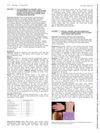
A TNFAIP3 gene mutation can cause unusual and varied symptoms of lupus and Sjogren's syndrome.
 January 2026 in “International Journal of Research and Innovation in Applied Science”
 Recognizing specific markers is crucial for correctly diagnosing and treating rare multifocal MPTT in males.