 August 2022 in “International Journal of Health Sciences (IJHS) (En línea)”
 Oxidative stress is important in causing alopecia areata.
 March 2022 in “Marmara University Open Access System”
 Digital games are part of new media but need a deeper look at their complex nature and cultural roots.

No single biomarker is reliable enough for diagnosing and assessing SLE.
 January 2022 in “European Proceedings of Life Sciences”
 Understanding genetic traits can help doctors create personalized detox and nutrition plans to boost antioxidant protection.
 January 2022 in “Kafkas Universitesi Veteriner Fakultesi Dergisi”
 The research improved understanding of twin births and fertility in Tibetan sheep, helping animal farming.
 December 2021 in “Dermatology research”
 Low levels of vitamin B12, ferritin, and calcium are linked to premature graying of hair.

The workshop promoted better medicine use and health practices through global collaboration.

The workshop successfully promoted better medicine use and international collaboration.

Human hair keratins can self-assemble and support cell growth, useful for biomedical applications.
 September 2019 in “University of Huddersfield Repository (University of Huddersfield)”
 Nanoemulsions can effectively deliver antiseptic agents deep into the skin.
 June 2019 in “The Egyptian Journal of Fertility and Sterility”
 Chromium picolinate was better tolerated than metformin for PCOS with fewer side effects.
 September 2018 in “Epsilon Archive for Student Projects (University of Southampton)”
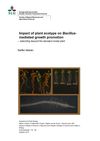
 Bacillus amyloliquefaciens can boost root hair growth in some Arabidopsis plants, potentially improving agriculture.
 March 2017 in “Fundamental & Clinical Pharmacology”
 The model and estimator can predict drug exposure in kidney transplant patients well.
 January 2017 in “Springer eBooks”
 The document explains various skin conditions and their treatments.
 January 2017 in “Clinical approaches and procedures in cosmetic dermatology”
 Certain nutrients can improve skin health and treat skin problems safely.
 February 2016 in “Online journal of biological sciences”
 Henna and honey improved burn healing and hair growth in rabbits.
 June 2015 in “Journal of the turkish academy of dermatology”
 Eating the right foods is important for skin health and can help treat some skin conditions.
 March 2014 in “CRC Press eBooks”
 Some nutrients and antioxidants may improve skin and hair health, but more research is needed to confirm these benefits.

Keratin hydrogels from human hair show promise for tissue engineering and regenerative medicine.

Higher cholesterol levels increase aggressive prostate cancer risk.
 January 2009 in “Springer eBooks”
 The document concludes that managing skin conditions during pregnancy is important and requires specialized care.
 March 2007 in “The FASEB Journal”
 Henna mixed with PPD can cause skin reactions, scarring, and a specific type of baldness, and needs more research to understand these effects.
 May 1991 in “Current problems in dermatology”
 Skin issues can indicate immune system problems.
 January 1990 in “Springer eBooks”
 Some chemicals can permanently or temporarily remove color from skin and hair, which can be distressing and is not well-regulated in cosmetics.
 July 1980 in “Journal of The American Academy of Dermatology”
 The conference concluded that understanding hair and nail disorders is important, iron deficiency may be linked to hair loss, and while some treatments for skin conditions are effective, they may have risks and high costs.
 July 2008 in “British Journal of Dermatology”
 Cyclosporin doesn't stop hair loss.
 134 citations
,
January 2011 in “Development”
134 citations
,
January 2011 in “Development” Adam10 enzyme is crucial for healthy skin and proper Notch signaling.
 21 citations
,
July 1988 in “Clinics in dermatology”
21 citations
,
July 1988 in “Clinics in dermatology” Good haircare and communication with doctors are key for managing hair loss.
 March 2021 in “bioRxiv (Cold Spring Harbor Laboratory)”
 Removing a specific gene in certain skin cells causes hair loss on the body by disrupting normal hair development.