 January 2015 in “Turkiye Klinikleri Journal of Dermatology”
 Peripilar keratin casts are a helpful sign for diagnosing traction alopecia.
 42 citations
,
October 2012 in “Dermatologic Clinics”
42 citations
,
October 2012 in “Dermatologic Clinics” Trichoscopy is a useful tool for diagnosing different hair and scalp diseases without surgery.
January 2022 in “The Pan African medical journal” Hypertrichosis causes excessive hair growth and needs psychological support due to its impact on self-esteem.
 August 2021 in “Acta medica Philippina”
 A girl's hair loss was found to be caused by both a hair-pulling disorder and another hair loss condition.
 August 2022 in “Case reports in medicine”
 Long eyelashes in a patient were an unusual sign of systemic lupus erythematosus.
April 2012 in “Journal of evolution of medical and dental sciences” No effective treatment exists to stimulate hair growth in atrichia with papular lesions.
1 citations
,
March 2023 in “Journal of the Turkish Academy of Dermatology” Temporal triangular alopecia may be linked to sebaceous nevus and shows a new pinkish background feature.
January 2020 in “Revista Dermatológica Centro Uraga” Recognizing trichoscopic features is crucial for diagnosing various hair loss conditions.
2 citations
,
June 2023 in “Clinical and Experimental Neuroimmunology” Thymoma may link myasthenia gravis, nail dystrophy, and alopecia areata.
 June 1995 in “Archives of Dermatology”
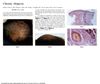
 A woman's hair loss was due to trichotillomania, which is often misdiagnosed and can require different treatments based on age and underlying conditions.
4 citations
,
January 2017 in “PubMed” A girl with lupus had unusually long and thick eyelashes, a rare symptom of her condition.
4 citations
,
January 2020 in “Dermatology Online Journal” Congenital atrichia with papular lesions causes permanent hair loss and skin bumps due to a gene mutation.
15 citations
,
June 2020 in “Journal of the American Academy of Dermatology” Shiny white structures in trichoscopy can indicate long-standing discoid lupus erythematosus alopecia.
6 citations
,
April 2024 in “Health Science Reports” Younger patients with severe alopecia areata often have nail problems.
19 citations
,
March 1999 in “PubMed” Trichotillomania is a chronic condition where people uncontrollably pull out their hair, often starting in childhood.
November 2025 in “Indian Dermatology Online Journal” Clouston syndrome can lead to skin cancer, so monitoring is crucial.
2 citations
,
March 2024 in “Pediatric Dermatology” Two siblings have a rare hair condition caused by a new genetic variant.
10 citations
,
April 2004 in “Journal of the American Academy of Dermatology” Localized hair growth and fat loss may share a common cause in lupus panniculitis.
January 2005 in “Journal of Cutaneous Pathology” A new benign nail tumor called onychoblastoma was identified.
May 2025 in “Apollo Medicine” Trichoscopy is a useful tool for diagnosing and assessing the severity of alopecia areata.
34 citations
,
December 1984 in “Journal of Cutaneous Pathology” Monilethrix hair issues are due to problems in the hair's internodes.
88 citations
,
June 2000 in “Journal of Investigative Dermatology” Keratin 17 is important for hair and nail structure and affects pachyonychia congenita symptoms.
August 2025 in “Biomedicines” Half-siblings with a rare skin condition improved with treatment for a fungal infection, but hair loss remained.
1 citations
,
December 2022 in “Skin Appendage Disorders” Recognizing trichofolliculomas is important to avoid unnecessary surgery.
 January 2018 in “Skin appendage disorders”
 The document focused on hair disorders, especially alopecia, and discussed treatments and impacts on quality of life.
37 citations
,
April 1977 in “Journal of Cutaneous Pathology” Skin biopsy can help diagnose hair loss from trichotillomania.
Acitretin improved monilethrix symptoms temporarily, but they returned after stopping treatment.
13 citations
,
January 2001 in “Pediatric dermatology” A dark-haired Chinese girl had hair that looked banded under certain light but was normal under a microscope.
March 1999 in “Annals of the Academy of Medicine Singapore” Trichotillomania is a chronic condition where people uncontrollably pull out their hair, often needing medication and therapy for treatment.
 24 citations
,
May 2012 in “International Journal of Dermatology”
24 citations
,
May 2012 in “International Journal of Dermatology” The document concludes that eyelash trichomegaly, which is the abnormal growth of eyelashes, can be present from birth, caused by diseases, or result from certain medications.