2 citations
,
July 2023 in “Water” Tradescantia plants can effectively test for the toxicity of harmful algae.
28 citations
,
October 1987 in “PubMed” Lithium temporarily stops cell division in plant cells, but this can be reversed with certain chemicals.
 2 citations
,
August 2010 in “Journal of Scientific Research”
2 citations
,
August 2010 in “Journal of Scientific Research” The study found specific shape, size, and cellular details of Tridax procumbens leaves that can help identify the plant.
June 2020 in “Zenodo (CERN European Organization for Nuclear Research)” Robertsonian translocation can cause recurrent miscarriages.
2 citations
,
September 2021 in “JAAD case reports” A man with a weakened immune system was diagnosed with a rare skin condition called trichodysplasia spinulosa using skin examination techniques.
13 citations
,
June 2012 in “European journal of medical genetics” Identical twins had different symptoms because one had more cells with an extra chromosome fragment in different tissues.
 November 2025 in “Archiv für Pathologische Anatomie und Physiologie und für Klinische Medicin”
 Sporadic trichoblastic neoplasms generally don't recur or spread, with one case showing a specific genetic fusion.
 9 citations
,
November 2013 in “Dermatologic Surgery”
9 citations
,
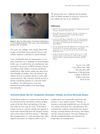
November 2013 in “Dermatologic Surgery” Hair transplant complications were likely due to deep graft placement and rough handling.
5 citations
,
July 1996 in “Journal of Cutaneous Medicine and Surgery” TTD patients don't have a higher skin cancer risk because their main issue is with transcription, not DNA repair.
 May 2022 in “Experimental dermatology”
 Trichothiodystrophy hair is structurally abnormal with protein and organization issues.
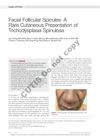
Trichodysplasia spinulosa can occur after a heart transplant due to immunosuppressive drugs.
4 citations
,
April 2014 in “Lasers in Surgery and Medicine” TRASER effectively targets blood vessels and hair follicles for potential use in vascular and hair removal treatments.
29 citations
,
February 1989 in “Journal of Cutaneous Pathology” A unique hair tumor with a rippled pattern was identified, showing incomplete differentiation and unusual cell arrangements.
 November 2024 in “Journal of Cosmetic Dermatology”
 MSC exosome therapy improved hair quality in patients with acquired trichorrhexis nodosa.
 1 citations
,
October 2024 in “Journal of King Saud University - Science”
1 citations
,
October 2024 in “Journal of King Saud University - Science” Tridax procumbens extracts may help treat cancer due to their strong anticancer and antioxidant properties.
18 citations
,
September 1994 in “Clinical and Experimental Dermatology” Localized trichorrhexis nodosa is a hair condition where hair becomes fragile and breaks easily due to damage.
9 citations
,
January 2012 in “International journal of trichology” Trichostasis spinulosa can be diagnosed with a simple skin biopsy and treated with specific gels, but lesions may return after stopping treatment.
March 2026 in “Mendeley Data” March 2026 in “Mendeley Data” April 2026 in “Reviews in Medical Virology” Trichodysplasia spinulosa is a rare skin condition linked to weakened immune systems, mostly in organ transplant patients.
 200 citations
,
November 1997 in “Planta”
200 citations
,
November 1997 in “Planta” Calcium affects where root hairs grow, but other unknown factors determine their growth direction.
 January 2012 in “heiDOK (Heidelberg University)”
 Dormant melanoma cells in mice interact minimally with memory T cells due to a suppressive tumor environment.
4 citations
,
November 2015 in “Research Journal of Medicinal Plant” Tridax procumbens extracts can harm cell division and increase cell death in onion roots.
 80 citations
,
June 2000 in “Modern Pathology”
80 citations
,
June 2000 in “Modern Pathology” Long-standing benign tumors can become cancerous, especially in people with weakened immune systems.
Trichoepithelioma and desmoplastic trichoepithelioma have distinct features that can be identified using reflectance confocal microscopy.
22 citations
,
March 2017 in “Transplant Infectious Disease” Leflunomide successfully treated a rare skin condition in a liver transplant patient.
19 citations
,
March 2016 in “British journal of dermatology/British journal of dermatology, Supplement” Trichodysplasia spinulosa is a rare skin disease in immunocompromised patients caused by a specific virus targeting hair follicle cells.
December 2020 in “American Journal of Transplantation” Early recognition and treatment of VATS in transplant patients improve outcomes.
71 citations
,
January 2011 in “Journal of cutaneous pathology” A rare skin condition was confirmed to be associated with a specific virus in a young girl.

Melatonin may protect hair follicle stem cells from damage caused by chemotherapy.