 32 citations
,
April 2014 in “The journal of investigative dermatology/Journal of investigative dermatology”
32 citations
,
April 2014 in “The journal of investigative dermatology/Journal of investigative dermatology” Loss of keratin K2 causes skin problems and inflammation.
 February 2025 in “PubMed”
 AI-personalized hair loss treatments improved hair growth and scalp health without side effects.
 January 2023 in “Journal of cosmetic dermatology”
 The synthetic retinoid EC23 thickens skin and promotes hair growth more effectively and with a lower dose than natural retinoids.
21 citations
,
March 2018 in “American Journal Of Pathology” Mutations in NIPAL4 cause skin issues by disrupting lipid layers, but some improvement is seen with topical treatment.
7 citations
,
August 2023 in “Skin Research and Technology” Scalp conditions change with age, affecting hair health.
November 2023 in “Frontiers in Medicine” The method effectively mimics shaving damage on skin for testing skincare products.
18 citations
,
October 2024 in “Medical Science Monitor” Improving skin barrier function is crucial for better acne treatment.
8 citations
,
December 2024 in “Frontiers in Medicine” Damaged skin has a weakened barrier, making it more vulnerable to substances and inflammation.
1 citations
,
July 2025 in “Journal of Cosmetic Dermatology” Lip aging differs from facial aging, needing specific care for barrier, wrinkles, and pigment changes.
1 citations
,
October 2023 in “International Journal of Women s Health” Wearing a hijab doesn't affect scalp health if worn dry and without existing scalp issues.
February 2025 in “Skin Research and Technology” New non-invasive techniques can improve diagnosis and treatment of scalp and hair diseases.
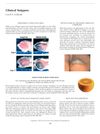 November 2003 in “Journal of Investigative Dermatology”
 Topical Imiquimod may fight vascular tumors by affecting blood vessels or the immune system, low iron might be linked to some hair loss, removing the top skin layer helps vitamin C get in, genetic testing helps diagnose skin conditions, and too much iron could worsen skin inflammation.
17 citations
,
October 2023 in “Molecules” Plant-derived PDRN from ginseng roots effectively heals skin and improves its barrier.
32 citations
,
September 2018 in “Journal of pharmaceutical sciences” The model better predicts how water-loving and fat-loving substances move through the skin by including tiny pores and hair follicle paths.
 August 2019 in “Journal of Investigative Dermatology”
 The study found that tight junctions reach the top layer of the skin's stratum granulosum, not just the second top layer as previously thought.
2 citations
,
December 1954 in “Experimental Biology and Medicine” Fluid loss through rat skin is minimal when inactive but increases with skin activity and hair growth.
50 citations
,
December 2000 in “Journal of Pharmaceutical Sciences” Hair follicles significantly enhance electroosmotic transport during iontophoresis.
 153 citations
,
October 2007 in “Cell Stem Cell”
153 citations
,
October 2007 in “Cell Stem Cell” New research suggests that skin cell renewal may not require a special type of cell previously thought to be essential.
106 citations
,
June 1990 in “Journal of Investigative Dermatology” 47 citations
,
January 2003 in “Pharmaceutical Research”  2 citations
,
September 2023 in “PLoS biology”
2 citations
,
September 2023 in “PLoS biology” Newly divided skin cells quickly move to join skin structures due to tissue tension and specific signals.
 August 2019 in “Journal of Investigative Dermatology”
 Skin may help in getting rid of excess iron through the process of skin cell renewal.
 41 citations
,
August 1988 in “Journal of The American Academy of Dermatology”
41 citations
,
August 1988 in “Journal of The American Academy of Dermatology” A woman with subacute cutaneous lupus erythematosus had widespread skin symptoms triggered by medication and sunlight, which improved with specific treatments.
11 citations
,
July 2022 in “International Journal of Molecular Sciences” Tight junctions help control skin shedding and may be targets for treating certain skin conditions.
Keratinocytes grew and migrated into hair follicle areas but disappeared after 15-20 days.
 141 citations
,
August 2017 in “Developmental Dynamics”
141 citations
,
August 2017 in “Developmental Dynamics” The document concludes that a better understanding of cell changes during wound healing could improve treatments for chronic wounds and other conditions.
54 citations
,
January 1984 in “Molecular and Cellular Biochemistry” 1 citations
,
January 1984 3 citations
,
January 1984 21 citations
,
July 2015 in “International Journal of Nanomedicine” Increased liposome fluidity boosts skin penetration of sodium fluorescein.