9 citations
,
June 2016 in “Stem cells” Overexpression of sPLA2-IIA in mouse skin reduces hair stem cells and increases cell differentiation through JNK/c-Jun pathway activation.
 August 2022 in “bioRxiv (Cold Spring Harbor Laboratory)”
 Mouse touch-sensitive nerve cells adjust their connections based on competition with other similar cells.
72 citations
,
November 2002 in “Journal of Investigative Dermatology” Estrogen receptor α controls hair growth cycles and skin thickness in male mice.
 April 2024 in “bioRxiv (Cold Spring Harbor Laboratory)”
 GRK2 is essential for healthy hair follicle function, and its absence can lead to hair loss and cysts.
16 citations
,
September 2019 in “Journal of biological chemistry/The Journal of biological chemistry” Mice without certain skin enzymes have faster hair growth and bigger eye glands.
9 citations
,
July 2022 in “Journal of Biological Chemistry” WWP2 is crucial for tooth development in mice.
141 citations
,
May 2007 in “Cancer Research” CD34 is crucial for skin tumor development in mice.
25 citations
,
June 2017 in “Journal of steroid biochemistry and molecular biology/The Journal of steroid biochemistry and molecular biology” VDR regulation varies by tissue and is crucial for its biological functions.
283 citations
,
February 2011 in “Cell stem cell” COL17A1 is crucial for preventing hair graying and loss by supporting hair and pigment stem cells.
5 citations
,
March 2012 in “Journal of Investigative Dermatology” Vitamin D receptor and mediator 1 are crucial for healthy skin and hair growth.
686 citations
,
February 2002 in “Current Opinion in Cell Biology” Keratin filaments are crucial for cell structure and protection, with ongoing discoveries about their genes and functions.
1 citations
,
December 2023 in “Frontiers in Behavioral Neuroscience” UVB exposure increases appetite by activating p53 in skin cells.
100 citations
,
August 2008 in “American Journal Of Pathology” VEGF-A is crucial for normal skin function and may be linked to psoriasis.
 34 citations
,
December 2009 in “The International Journal of Developmental Biology”
34 citations
,
December 2009 in “The International Journal of Developmental Biology” Too much thymosin beta4 causes weird teeth and more hair growth in mice.
 14 citations
,
February 2018 in “Psychoneuroendocrinology”
14 citations
,
February 2018 in “Psychoneuroendocrinology” Mice lacking steroid 5α-reductase 2 show less aggression and better impulse control.
 7 citations
,
August 2022 in “Experimental dermatology”
7 citations
,
August 2022 in “Experimental dermatology” Blocking YAP/TAZ could be a new way to treat skin cancer.
 28 citations
,
March 2017 in “Endocrinology”
28 citations
,
March 2017 in “Endocrinology” Removing vitamin D and calcium receptors in mice skin cells slows down skin wound healing.
 55 citations
,
May 2019 in “Journal of Endocrinology”
55 citations
,
May 2019 in “Journal of Endocrinology” Androgens are important for female fertility and could help in IVF treatment, but also play a role in causing PCOS.
 1 citations
,
January 2020 in “bioRxiv (Cold Spring Harbor Laboratory)”
1 citations
,
January 2020 in “bioRxiv (Cold Spring Harbor Laboratory)” Dicer is crucial for hair growth in mice.
29 citations
,
June 2015 in “Kidney International” Disrupting the Flcn gene in mice causes early kidney cysts and tumors, which can be treated with rapamycin.
 65 citations
,
June 2003 in “EMBO journal”
65 citations
,
June 2003 in “EMBO journal” Noggin overexpression delays eyelid opening by affecting cell death and skin cell development.
 37 citations
,
June 2011 in “Journal of Cellular Biochemistry”
37 citations
,
June 2011 in “Journal of Cellular Biochemistry” Androgen is important in controlling stem cell differentiation, reducing fat development, and increasing lean mass.
 4 citations
,
October 2021 in “Scientific Reports”
4 citations
,
October 2021 in “Scientific Reports” NKIRAS2 can suppress certain skin tumors but its effect on cancer varies with context and expression level.
15 citations
,
June 2015 in “PLoS ONE” Thymosin beta-4 promotes hair growth in mice.
 69 citations
,
August 1999 in “Developmental biology”
69 citations
,
August 1999 in “Developmental biology” The nude gene causes skin cell overgrowth and improper development, leading to hair and urinary issues.

Inhibiting AP-1 changes skin tumor types and affects tumor cell identity.

Inhibiting AP-1 changes skin tumor types and affects tumor cell identity.
27 citations
,
February 2020 in “EMBO Reports” MEX3A is crucial for maintaining intestinal stem cells in mice.
 65 citations
,
September 2004 in “The American journal of pathology”
65 citations
,
September 2004 in “The American journal of pathology” Blocking BMP signaling causes hair loss and disrupts hair growth cycles.
 7 citations
,
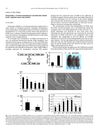
December 2008 in “Journal of Dermatological Science”
7 citations
,
December 2008 in “Journal of Dermatological Science” Progranulin overexpression leads to shorter, thinner hair and increased cell death in mouse hair follicles.