18 citations
,
January 2015 in “International Journal of Trichology” Intralesional steroids are more effective for hair regrowth in alopecia areata than NBUVB, but combining them doesn't improve results.
11 citations
,
January 2020 in “Journal of Drugs in Dermatology” Intralesional triamcinolone acetonide is effective and safe for treating early to mid-stage traction alopecia.
January 2014 in “European Journal of Dermatology” A method was found to visualize hair regrowth and avoid unnecessary side effects from treatments.
 1 citations
,
April 2026 in “Aesthetic Plastic Surgery”
1 citations
,
April 2026 in “Aesthetic Plastic Surgery” Radiofrequency microneedling is safe and effective for improving various skin conditions.
51 citations
,
September 2013 in “JEADV. Journal of the European Academy of Dermatology and Venereology/Journal of the European Academy of Dermatology and Venereology” FRMS is a safe and effective treatment for acne scars in Asians with minimal side effects.
 January 2026 in “Dermatology Practical & Conceptual”
 Triamcinolone acetonide is more effective than cryotherapy for hair regrowth in alopecia areata but has different side effects.
5 citations
,
January 2024 in “Aesthetic Surgery Journal Open Forum” Proper management and preventative measures can reduce serious adverse events from deoxycholic acid injections for fat reduction.
 September 2025 in “Journal of International Medical Research”
 Chlorine gas exposure can cause long-term skin issues.
 92 citations
,
June 2017 in “Journal of Plastic Reconstructive and Aesthetic Surgery”
92 citations
,
June 2017 in “Journal of Plastic Reconstructive and Aesthetic Surgery” Microneedling is a safe and effective treatment for various skin conditions, often preferred for its fewer side effects and shorter recovery time.
 111 citations
,
June 2002 in “The EMBO Journal”
111 citations
,
June 2002 in “The EMBO Journal” Too much Smad7 can cause serious changes in skin tissues, including problems with hair growth, thymus shrinkage, and eye development issues.
 23 citations
,
July 2007 in “The journal of investigative dermatology/Journal of investigative dermatology”
23 citations
,
July 2007 in “The journal of investigative dermatology/Journal of investigative dermatology” Hair follicle bulge cells don't help skin regrow after glucocorticoid damage; interfollicular epidermis cells do.
 67 citations
,
August 2007 in “American Journal of Pathology”
67 citations
,
August 2007 in “American Journal of Pathology” Overexpressing the mineralocorticoid receptor in mouse skin causes skin thinning, early skin barrier development, eye issues, and hair loss.
 48 citations
,
May 2015 in “NPJ microgravity”
48 citations
,
May 2015 in “NPJ microgravity” A 3-month stay in space causes skin thinning, disrupts hair growth, and changes muscle-related genes in mice.
 78 citations
,
April 1994 in “Archives of dermatology”
78 citations
,
April 1994 in “Archives of dermatology” The study found that Keratosis Pilaris Atrophicans is a genetic skin condition that starts in childhood, involves inflammation and scarring, and current treatments are only somewhat effective.
 February 2019 in “International journal of research in dermatology”
 The combined treatments were highly effective for improving atrophic acne scars.
 March 2026 in “Frontiers in Cell and Developmental Biology”
 Autologous cell-based therapies, especially SVF, effectively and safely improve atrophic acne scars.
 October 2021 in “The Egyptian Journal of Hospital Medicine ”
 Combination therapies work better than single treatments for atrophic acne scars.
 April 2020 in “Journal of The American Academy of Dermatology”
 Microneedling with platelet-rich plasma can cause temporary, painful lymph node swelling in some patients.
 July 2018 in “Nasza Dermatologia Online”
 Frontal fibrosing alopecia and ulerythema ophryogenes may be related and can evolve from one to the other.
 45 citations
,
March 2015 in “Clinical Endocrinology”
45 citations
,
March 2015 in “Clinical Endocrinology” Testosterone therapy is generally safe for transmen, improves sexual function, and has manageable health risks with proper monitoring.
 4 citations
,
January 2012 in “Elsevier eBooks”
4 citations
,
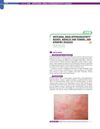
January 2012 in “Elsevier eBooks” The document concludes that various skin conditions have specific treatments, ranging from antihistamines for urticaria to surgery and medication for tumors and chronic skin diseases.
 2 citations
,
November 2007 in “Journal of Investigative Dermatology”
2 citations
,
November 2007 in “Journal of Investigative Dermatology” Fluocinolone acetonide slows down hair follicle stem cells but speeds up skin cell growth in mice.
 50 citations
,
November 2010 in “Otolaryngologic Clinics of North America”
50 citations
,
November 2010 in “Otolaryngologic Clinics of North America” Recognizing oral symptoms can help diagnose and treat blood and nutritional diseases early.
 26 citations
,
September 1969 in “The American journal of medicine”
26 citations
,
September 1969 in “The American journal of medicine” Cronkhite-Canada Syndrome often leads to death within 6-18 months.
 21 citations
,
October 1980 in “Gastroenterology”
21 citations
,
October 1980 in “Gastroenterology” The report described a unique case of Cronkhite-Canada syndrome with unusual polyps and an association with multiple myeloma.
 15 citations
,
December 2011 in “Journal of the European Academy of Dermatology and Venereology”
15 citations
,
December 2011 in “Journal of the European Academy of Dermatology and Venereology” Hair loss in systemic lupus erythematosus patients is unique and improves with treatment.
 14 citations
,
January 2014 in “Cells Tissues Organs”
14 citations
,
January 2014 in “Cells Tissues Organs” Ionizing radiation causes irreversible skin damage, with single doses leading to acute injury and hair graying, and fractional doses causing more severe long-term tissue damage.
 12 citations
,
October 2017 in “Radiation Research”
12 citations
,
October 2017 in “Radiation Research” mTORC1 signaling needed for quick hair follicle recovery after radiation damage.
 9 citations
,
February 2011 in “Biologics: Targets & Therapy”
9 citations
,
February 2011 in “Biologics: Targets & Therapy” Topical calcineurin inhibitors, especially 0.1% tacrolimus ointment, are effective and well-tolerated for treating cutaneous lupus erythematosus but require more research for standard treatment guidelines.
 5 citations
,
July 2013 in “Our Dermatology Online”
5 citations
,
July 2013 in “Our Dermatology Online” Lichen planopilaris is the most common type of scarring hair loss observed, with a variety of symptoms and tissue changes.