 January 2023 in “Springer eBooks”
 Hair shedding that lasts over 6 months may need a closer look, but often just reassurance is enough.
 January 2015 in “Springer eBooks”
 Hair shedding that lasts more than 6 months may need medical tests, but often just reassurance is enough.
 February 2012 in “Clinical and Experimental Dermatology”
 Many adult women experience unexplained excessive hair shedding, often starting before age 40.
 2 citations
,
February 1994 in “Archives of Dermatology”
2 citations
,
February 1994 in “Archives of Dermatology” The debate focuses on the role of catagen and hair shedding mechanisms in telogen effluvium.
 34 citations
,
March 2001 in “Cleveland Clinic Journal of Medicine”
34 citations
,
March 2001 in “Cleveland Clinic Journal of Medicine” Manage hair shedding by identifying triggers, possibly using supplements or medications, and tracking with a health calendar.
July 2025 in “International Journal of Trichology” Hair shedding increases at the end of summer due to seasonal changes.
 January 2018 in “Springer eBooks”
 Telogen Effluvium causes more hair loss because hair moves to the resting phase too soon.
 1 citations
,
January 2020 in “Indian Dermatology Online Journal”
1 citations
,
January 2020 in “Indian Dermatology Online Journal” Pigtail hair is a sign of new hair growth and should be recognized in hair loss conditions like acute telogen effluvium.
 234 citations
,
December 1996 in “Journal of The American Academy of Dermatology”
234 citations
,
December 1996 in “Journal of The American Academy of Dermatology” Middle-aged women with chronic telogen effluvium experience increased hair shedding but usually don't get significantly thinner hair.
 November 2001 in “CRC Press eBooks”
 Hair loss from telogen effluvium happens when a disturbance or imbalance causes hair to fall out prematurely.

Telogen effluvium causes temporary hair loss, especially in women.
 18 citations
,
March 2016 in “Cosmetics”
18 citations
,
March 2016 in “Cosmetics” Telogen Effluvium is a condition causing excessive hair loss due to stress, illness, drugs, or hormonal changes, and can be treated with specific products or naturally resolves after 3-4 years.

Telogen Effluvium causes increased hair shedding and can be challenging to diagnose and treat.
 March 2025 in “Journal of Dermatological Treatment”
 Temporary hair shedding after minoxidil use may indicate effective treatment.
 November 2021 in “CRC Press eBooks”
 Telogen effluvium is a common, temporary hair loss condition often affecting young women.
 56 citations
,
January 2001 in “Dermatology”
56 citations
,
January 2001 in “Dermatology” Teloptosis is a key point in hair loss that could help in creating prevention-focused hair care strategies.
 March 2024 in “CRC Press eBooks”
 Telogen effluvium is a type of hair loss where more hair than normal falls out after stress or illness.
January 2021 in “Hair therapy & transplantation” Telogen effluvium causes temporary hair loss, but new hair still grows.
 January 2014 in “Springer eBooks”
 Chronic telogen effluvium is a condition where there is prolonged shedding of hair.
 March 2003 in “CRC Press eBooks”
 Telogen effluvium is hair loss caused by many hairs stopping growth suddenly, often due to stress or illness, but sometimes it's normal and not due to disease.
 14 citations
,
January 2009 in “Experimental Dermatology”
14 citations
,
January 2009 in “Experimental Dermatology” Hair sheds gradually from the follicle, with readiness to shed indicated by less attachment material.
 10 citations
,
January 2017 in “Skin appendage disorders”
10 citations
,
January 2017 in “Skin appendage disorders” Emotional stress can trigger intermittent hair loss in chronic telogen effluvium, which may not improve with treatment if stress continues.
 37 citations
,
January 2009 in “Dermatology”
37 citations
,
January 2009 in “Dermatology” Healthy women tend to lose more hair in July and April, and the least in February.
January 2020 in “Hair therapy & transplantation” Telogen effluvium is a common hair loss where hair sheds due to stress but new hair still grows.
 February 2020 in “Definitions”
 Telogen Effluvium is a condition where more hair than usual falls out after stress or fever.
 January 2018 in “Springer eBooks”
 Telogen effluvium is hair loss caused by disruption of the normal hair cycle.
 1 citations
,
January 2017 in “Yonsei Medical Journal”
1 citations
,
January 2017 in “Yonsei Medical Journal” Hair is thinner near the scalp in acute hair shedding conditions.
 2 citations
,
March 2004 in “Journal of the American Academy of Dermatology”
2 citations
,
March 2004 in “Journal of the American Academy of Dermatology” The 60-second timed hair count is a reliable and simple way to measure hair shedding at home, showing older women tend to shed more hair than younger women.
 February 2023 in “Cosmoderma”
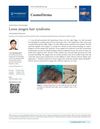
 Loose anagen hair syndrome causes easily shed hair but usually improves with time.
 7 citations
,
October 2016 in “Dermatologic Therapy”
7 citations
,
October 2016 in “Dermatologic Therapy” About 40% of women without hair loss and 60% with hair loss experience a lot of hair shedding, especially those under 50 with long hair.