 August 2011 in “Clinical and Experimental Dermatology”
 About 30% of women feel they lose too much hair, often starting before age 40, and most can't find a reason for it.
 February 1994 in “Archives of Dermatology”
 Telogen effluvium is a condition that causes temporary hair loss.
 4 citations
,
January 2007 in “Australian Veterinary Journal”
4 citations
,
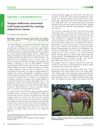
January 2007 in “Australian Veterinary Journal” A horse's sudden hair loss was caused by an allergic reaction to a coat conditioning powder.
 February 1994 in “PubMed”
 Telogen effluvium is a type of temporary hair loss.
 January 2004 in “Springer eBooks”
 Telogen effluvium is a condition that causes temporary hair loss.
 214 citations
,
March 1993 in “Archives of Dermatology”
214 citations
,
March 1993 in “Archives of Dermatology” Telogen effluvium is a reversible hair loss condition that requires a detailed diagnosis and often resolves on its own.
Sheep can lose wool quickly due to stress, but it doesn't cause itching or pain.
 October 2025 in “Brazilian Journal of Hair Health”
 Hair loss from weight-loss treatments is usually temporary and reversible.
December 2005 in “Journal of Marine Fisheries” Telogen effluvium causes temporary hair loss, often triggered by stress or health issues, with hair usually regrowing over time.
December 2005 in “Journal of Marine Fisheries” Telogen effluvium causes temporary hair loss, often triggered by stress or health issues, with hair usually regrowing over time.
1 citations
,
April 2024 in “Piel” Telogen effluvium causes sudden hair loss, often due to stress or changes, and is treated by addressing the cause and offering support.
 November 2025 in “SKIN The Journal of Cutaneous Medicine”
 "Dread shed" is common with minoxidil but less so with other hair loss treatments.
 May 2015 in “Journal of The American Academy of Dermatology”
 Some people may temporarily lose more hair in certain areas after a hair transplant.
April 2012 in “Informa Healthcare eBooks” Telogen effluvium is a condition that causes temporary hair loss.
 54 citations
,
January 2005 in “Journal of The American Academy of Dermatology”
54 citations
,
January 2005 in “Journal of The American Academy of Dermatology” Most patients with chronic hair shedding did not progress to permanent hair loss, and one showed improvement with treatment.
 September 2021 in “CRC Press eBooks”
 Telogen effluvium is a type of hair loss that happens when stress or illness causes many hairs to enter the resting phase and fall out.
 1 citations
,
May 2017 in “InTech eBooks”
1 citations
,
May 2017 in “InTech eBooks” Telogen Effluvium is a common hair loss condition that can be short-term or long-lasting and is often caused by stress, illness, or nutritional issues.
February 2025 in “Pediatric Dermatology” January 2017 in “Elsevier eBooks” Telogen effluvium is a condition that causes temporary hair loss due to stress or shock to the body.
2 citations
,
December 2024 in “BMC Genomics” Key genes and pathways control sheep hair growth phases.
 1 citations
,
September 2019 in “Springer eBooks”
1 citations
,
September 2019 in “Springer eBooks” Telogen effluvium is a condition that causes temporary hair loss due to stress or shock to the body.
 13 citations
,
May 1993 in “International Journal of Dermatology”
13 citations
,
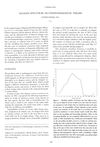
May 1993 in “International Journal of Dermatology” The paper suggests that telogen effluvium, a type of hair loss, may be a long-lasting condition triggered by stress or illness in people whose hair growth is unusually synchronized.
Loose anagen syndrome causes easy hair shedding in children, often resolving on its own.
Telogen hair loss affects emotional well-being and quality of life, with no standard treatment available.
 May 2012 in “CRC Press eBooks”
 Different types of hair loss within Telogen Effluvium are caused by various disruptions in hair growth cycles.
 October 2024 in “Experimental Dermatology”
 The belief about hair shedding phases is likely incorrect and needs reevaluation.
 11 citations
,
January 2013 in “International Journal of Trichology”
11 citations
,
January 2013 in “International Journal of Trichology” Short Anagen Syndrome causes persistently short hair and increased shedding, usually improving after puberty.
 2 citations
,
August 1999 in “PubMed”
2 citations
,
August 1999 in “PubMed” Chronic telogen effluvium is a condition that causes ongoing hair shedding.
 7 citations
,
January 2015 in “Journal of the European Academy of Dermatology and Venereology”
7 citations
,
January 2015 in “Journal of the European Academy of Dermatology and Venereology” Only about 20% of women have hair loss after childbirth severe enough to be considered clinically significant.