Search
for
Sort by
Research
30 / 1000+ resultsresearch Viremia and viruria of trichodysplasia spinulosa‐associated polyomavirus before the development of clinical disease in a kidney transplant recipient
The virus linked to a rare disease was found in a patient's blood and urine before skin symptoms appeared.
research Alopecia areata in a composite tissue (hand) allograft recipient following graft rejection
Graft rejection in a hand transplant may trigger hair loss due to autoimmune responses.
research Dermatological Complications in Transplant Patients and Composite Tissue Allotransplant Pathology
Transplant patients face higher skin cancer risks due to immunosuppressive therapy, requiring careful skin health monitoring.
research UVB-induced depletion of donor-derived dendritic cells prevents allograft rejection of immune-privileged hair follicles in humanized mice
UV light helped human hair transplants survive in mice without broad immunosuppression.
research Scalp micropigmentation as an alternative to Hair transplant surgery
Scalp micropigmentation is a tattooing method that can mimic a full head of hair without surgery and has no healing time.
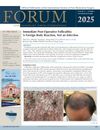
research Immediate Post-Operative Folliculitis: A Foreign Body Reaction, Not an Infection
Immediate post-operative folliculitis is a reaction to surgery, not an infection.

research CAQ Corner: Basic concepts of transplant immunology
The document explains how the immune system reacts to organ transplants and the treatments used to prevent rejection.

research Acute Hair Loss 3 Years after Bone Marrow Transplant
A woman's sudden hair loss three years after a bone marrow transplant was a sign of chronic graft-versus-host disease but improved with treatment.
research Study of the behaviour of lesional and nonlesional skin of canine recurrent flank alopecia transplanted to athymic nude mice
Dog skin with hair loss, when transplanted to mice, regrew hair, suggesting the hair loss cause is likely body-wide, not skin-specific.

research Modulating the stem cell niche for tissue regeneration
Changing the environment around stem cells could help tissue repair, but it's hard to be precise and avoid side effects.

research Transplantation immunology: Solid organ and bone marrow
Transplant success has improved with better immunosuppressive drugs and donor matching.
research The Frontal Fibrosing Alopecia Treatment Dilemma
Effective treatment guidelines for frontal fibrosing alopecia are still unclear.

research The Use of Micrografts and Minigrafts in the Aesthetic Reconstruction of the Face and Scalp
Micrografts and minigrafts are safe and effective for hair transplantation in facial and scalp reconstruction, providing high patient satisfaction.

research Clinical and dermatoscopic features of temporal triangular alopecia in infants
Temporal triangular alopecia in infants is mostly seen in males at birth, with unique features that help with diagnosis.
research Complications of hair restoration surgery: A retrospective analysis
Hair restoration surgery can lead to swelling, infections, scarring, numbness, hiccups, and poor hair growth.

research Advances in genetic and molecular understanding of Omenn syndrome - implications for the future
Newborn screening and gene therapy are expected to improve outcomes for Omenn syndrome patients.

research Hair implant complications.
Hair implants can cause infections, allergic reactions, itching, and scarring.
research Graft-versus-host reaction. Cutaneous manifestations following bone marrow transplantation.
Skin changes help detect graft-versus-host reaction early after bone marrow transplants.

research Nonmalignant late cutaneous changes after allogeneic hematopoietic stem cell transplant in children
Skin changes like hair loss, white patches, and nail changes are common in children after bone marrow transplants, often linked to chronic rejection.
research New Methodology and Instrumentation for Follicular Unit Extraction: Lower Follicle Transection Rates and Expanded Patient Candidacy
The SAFE System may improve hair transplant results but isn't suitable for everyone.

research Successful follicular unit extraction hair transplant for bald area after skin graft
Hair transplant was successful on a bald area after skin graft surgery.

research Allogeneic Hair Transplant in a Kidney Transplant Recipient
Person-to-person hair transplants can work for patients on lifelong immunosuppression, with high hair growth success.
research An eruption of numerous spiny papules in a pediatric transplant patient
Early recognition and treatment of VATS in transplant patients improve outcomes.
research Scalp micropigmentation as an alternative to Hair transplant surgery.
Scalp micropigmentation is a successful, non-surgical way to make hair look fuller.

research Transfer of peanut allergy from donor to recipient after liver transplant
Peanut allergies can be transferred through organ transplants.
research Polyomavirus Associated Trichodysplasia Spinulosa in a Pediatric Kidney Transplant Recipient
A rare skin infection in a 10-year-old kidney transplant patient was successfully managed by adjusting medication.
research Long‐term outcome after hand and forearm transplantation – a retrospective study
Hand and forearm transplants can be successful long-term, but they come with challenges like rejection and side effects from immunosuppression.
research The protective role of FTY720 in promoting survival of allograft fat in mice
FTY720 helps transplanted fat survive better by reducing immune rejection and improving blood vessel growth.

research Calcineurin-based immunosuppression in renal transplantation : focus on efficacy, the role of steroids, and the cardiovascular risk
Tacrolimus causes fewer acute rejections than cyclosporin A in kidney transplants but doesn't necessarily improve kidney function after one year; cardiovascular risks and side effects vary between the two drugs.